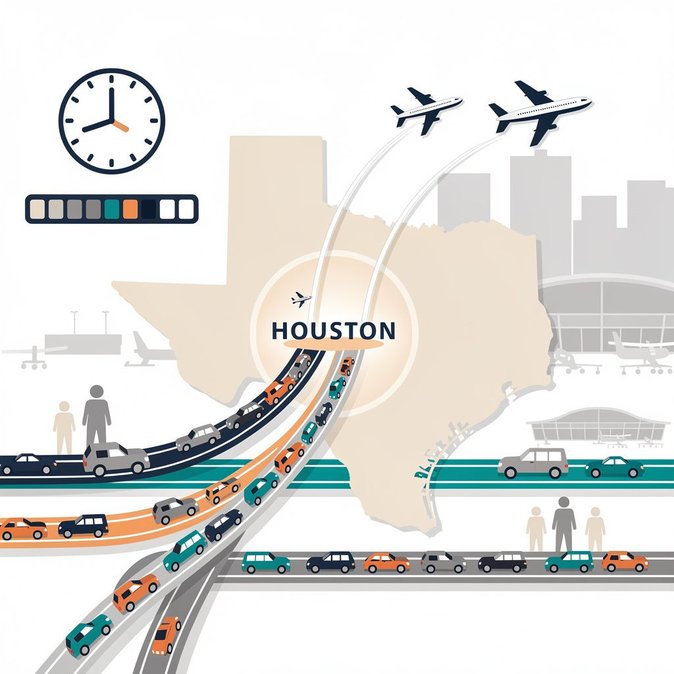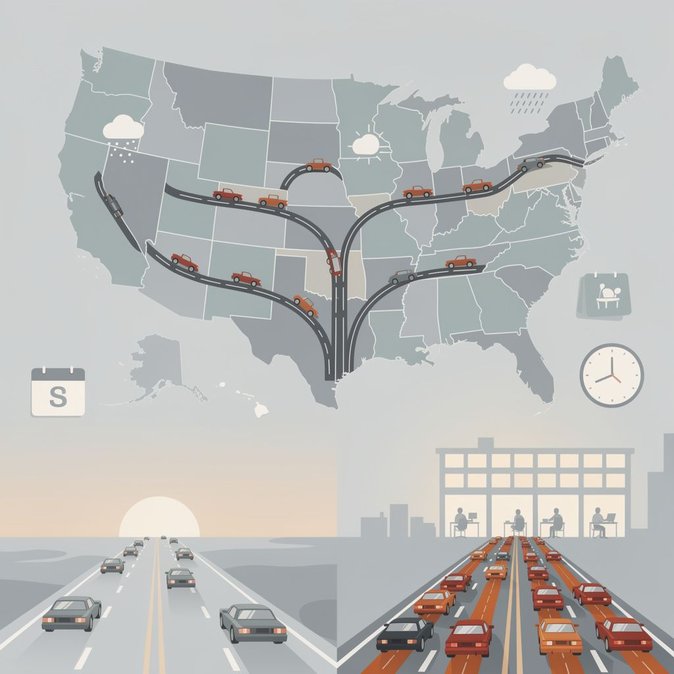
Traffic analytics firm INRIX and motor club AAA released their joint Thanksgiving forecast on the morning of 20 November, projecting that 81.5 million U.S. residents will travel at least 50 miles between Tuesday, 24 November and Monday, 30 November. Although marginally below last year’s record, the figure still represents near-peak volumes and—crucially—puts almost 90 percent of travelers on the nation’s highways rather than in aircraft. Congestion will be fiercest on Tuesday and Wednesday afternoons before the holiday and again on Sunday as drivers return home. INRIX warns that peak-hour trips in Boston and Washington, D.C. could take double the normal travel time. Morning departures generally offer the best chance to avoid gridlock, while Thanksgiving Day itself should see minimal traffic until late evening. Higher gasoline prices—up 12 percent year-on-year—appear not to have deterred drivers, but they may shape departure choices. AAA spokesperson Aixa Díaz notes that many families are compressing travel windows or choosing regional destinations to control costs. The group also cautions that early-season storms could blanket the Midwest and Northeast with rain or snow, further lengthening trip times. For employers with duty-of-care obligations, the data suggest staggering travel days for field staff and arranging flexible remote-work options on the Monday after Thanksgiving, when traffic is forecast to remain 40 percent above normal in some corridors. Companies should also remind employees using rental cars to confirm holiday-hour pick-ups and returns, as airport rental desks may face staffing pressures. Longer-term, analysts say the persistent dominance of car travel during major holidays underscores the need for continued investment in highway infrastructure and alternative mobility options—issues likely to resurface when Congress takes up the next surface-transportation bill in 2027.
Source: Axios