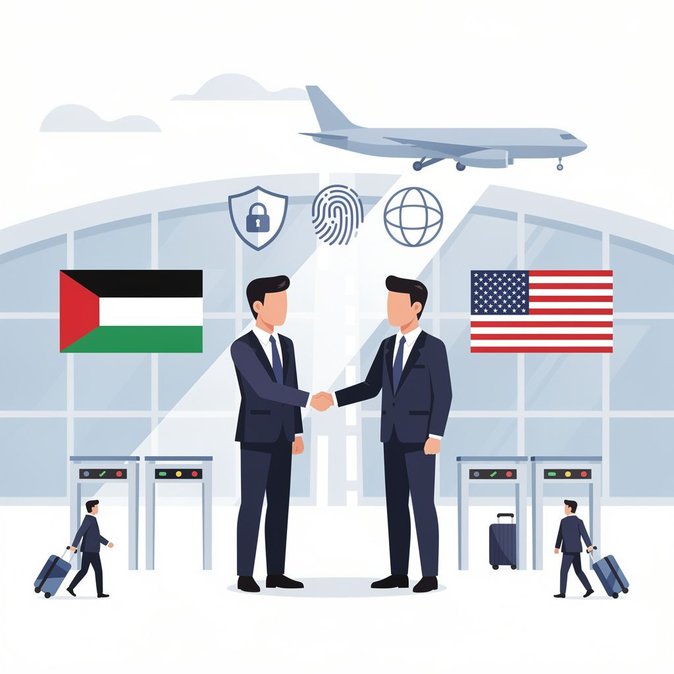
In a meeting in Abu Dhabi late on 21 November 2026, UAE President Sheikh Mohamed bin Zayed Al Nahyan and U.S. Secretary of Homeland Security Markwayne Mullin discussed expanding intelligence and technology collaboration to keep cross-border commerce flowing despite heightened regional risk. According to the Emirates News Agency, the leaders reviewed joint efforts to protect civil aviation, counter illicit finance and strengthen cyber-defence around critical border systems. American officials are keen to plug the UAE’s advanced biometric corridors—already trialling facial-recognition boarding at Dubai International—into U.S. pre-clearance databases, potentially reducing secondary screening for trusted UAE travellers entering the United States. The UAE, for its part, is evaluating U.S. best practices in cargo-security algorithms and the Container Security Initiative. The talks come as both countries confront drone and missile threats in Gulf airspace. Industry insiders note that sharper data-sharing on passenger watch-lists and air-cargo manifests could cut insurance premiums for airlines operating trans-Atlantic and trans-Gulf routes, while still meeting privacy thresholds under UAE law. For multinationals the dialogue signals a continuation of the UAE’s “open skies but high security” policy mix. Mobility teams should watch for pilot Trusted Traveller lanes or additional Global Entry enrolment drives in Abu Dhabi and Dubai, which would slash connection times for executives shuttling between the two commercial hubs. No formal agreements were signed, but officials said working groups will report back in early 2027 on aligning cyber-defence protocols and crisis-response drills for major airports and seaports.
Source: Emirates News Agency (WAM)