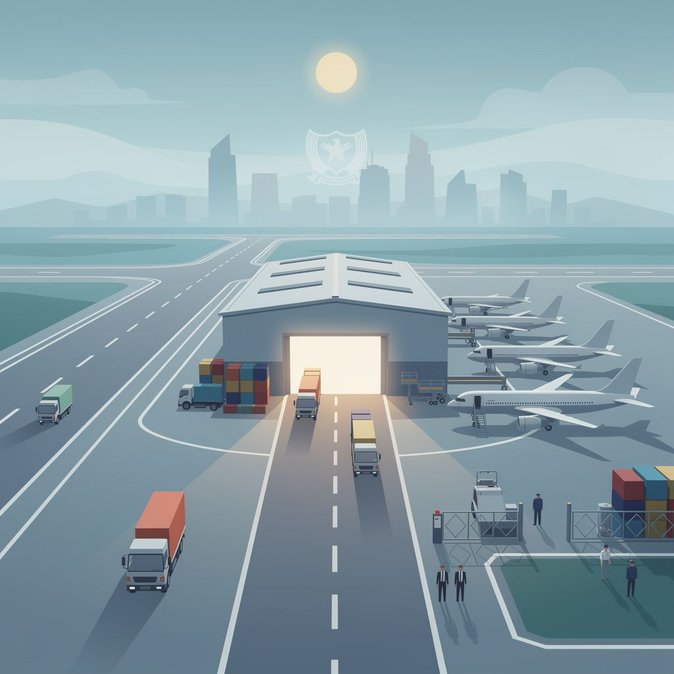
Freight forwarders breathed a sigh of relief on 21 November as Shenzhen Bao’an International Airport’s South Agent Warehouse reopened at 00:00, ending a week-long closure imposed for the APEC Economic Leaders’ Meeting. An operations notice circulated by logistics provider Global United Supply Chain confirms that from 15 to 20 November the warehouse halted all intake, forcing exporters to divert cargo to a temporary facility in Fuyong or truck consignments to Guangzhou. Normal intake has now restarted, although airlines are keeping a 36-hour cut-off for dangerous-goods acceptance until further notice. During the summit, Air China rerouted connecting international freight via Guangzhou, while Shenzhen International Cargo Terminal refused shipments requiring inspection reports, handing misdeclared goods directly to police. Forwarders report that the diversions added two to three days to transit times for high-tech exports bound for the United States and Europe. Why it matters: Shenzhen remains China’s leading outbound air-cargo gateway for electronics, handling over 30 percent of the country’s drone and consumer-tech shipments. Any operational hiccup therefore has an outsized impact on just-in-time supply chains and aftermarket repair logistics. The short, pre-announced shutdown is being studied as a template for managing security around future mega-events, including the World University Games scheduled for Chengdu in August 2027. In the immediate term, mobility managers moving hand-carry engineering parts or product samples through Shenzhen should check whether flights have reinstated standard cut-off times and whether courier companies have lifted their APEC surcharges. The airport’s public-affairs office told local media that it will issue a post-event performance report next week; industry groups hope this will include a formal lessons-learned section. For companies with regional distribution hubs in the Greater Bay Area, the episode underscores the value of dual-airport strategies—maintaining accounts at both Shenzhen and Guangzhou—so cargo can pivot quickly when one node tightens operations.