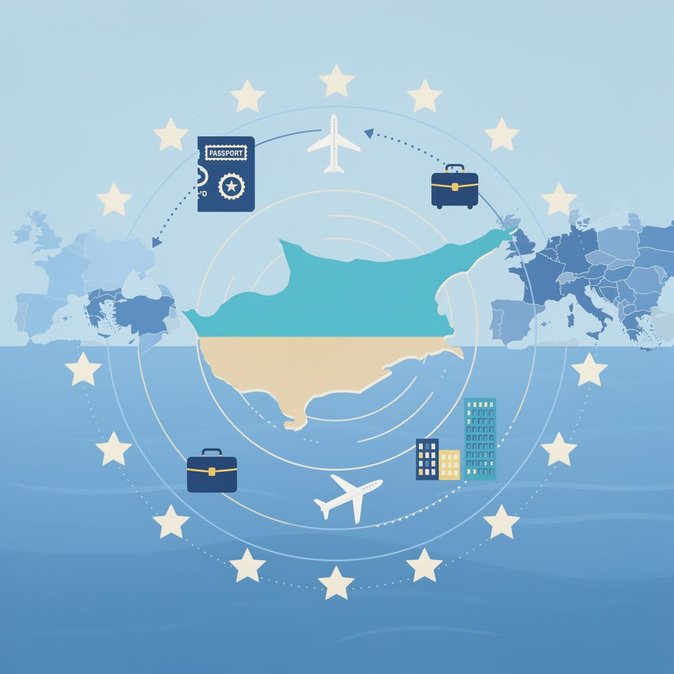
Political momentum behind Cyprus’ long-running quest to join the border-free Schengen Area accelerated on 19 November when Migration Minister Nicholas Ioannides confirmed that 15 EU partners have now signalled support and none have voiced opposition. The update came ahead of a briefing the Commission will give interior ministers at the 3-4 December Justice and Home Affairs Council, where Cyprus’ technical preparedness—already validated by EU evaluation missions—will be reviewed alongside outstanding political concerns. Ioannides said the government’s immediate focus is bilateral diplomacy to secure unanimity among the 25 voting states. Greece has thrown its weight behind the effort: visiting Nicosia on 18 November, Prime Minister Kyriakos Mitsotakis predicted Cyprus could be admitted by 1 July 2027, the date Greece assumes the EU Council presidency. The timetable aligns with the island’s rollout of new Schengen-compatible IT systems, including the digital migration platform announced the same day. From a business-mobility perspective, Schengen membership would eliminate passport checks for travellers arriving from 27 European countries and allow Cypriot-issued Schengen visas to be used elsewhere in the zone. Airlines and tour operators estimate that intra-EU traffic to Larnaca and Paphos could rise by 8-10 percent once border formalities disappear, boosting MICE (meetings, incentives, conferences and exhibitions) business and regional headquarters relocations. Still, challenges remain. Some member states want clearer evidence that Cyprus can manage irregular migration across the UN-patrolled Green Line and process asylum claims efficiently. Nicosia counters that arrivals have dropped 92 percent since 2022 after Athens and Brussels helped reinforce the buffer zone and fast-track returns. Corporate travel managers are advised to monitor the December Council for any new pre-accession conditions that might delay the target date. If agreement is reached in 2027, Cyprus would become the 29th Schengen state and the first new entrant since Croatia in 2023, completing the EU’s long-term goal of ending internal borders for all member states except Ireland.
Source: NewsCyprus.eu