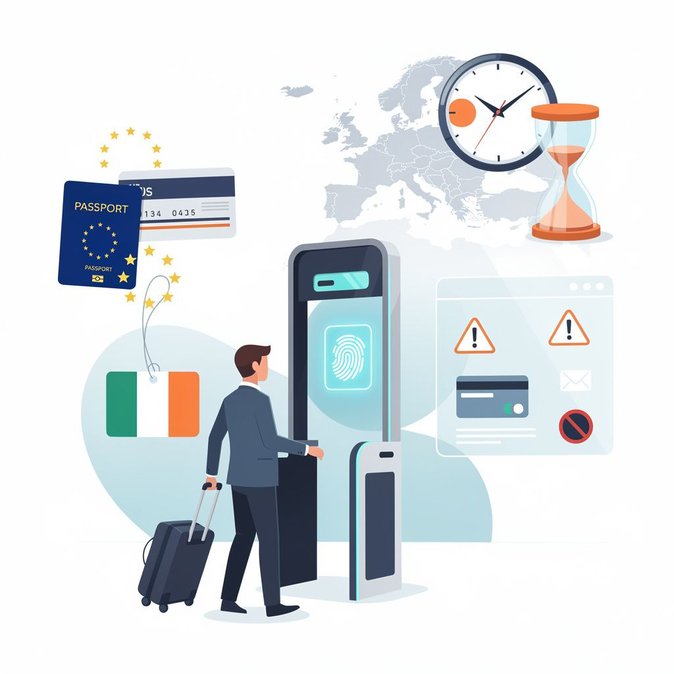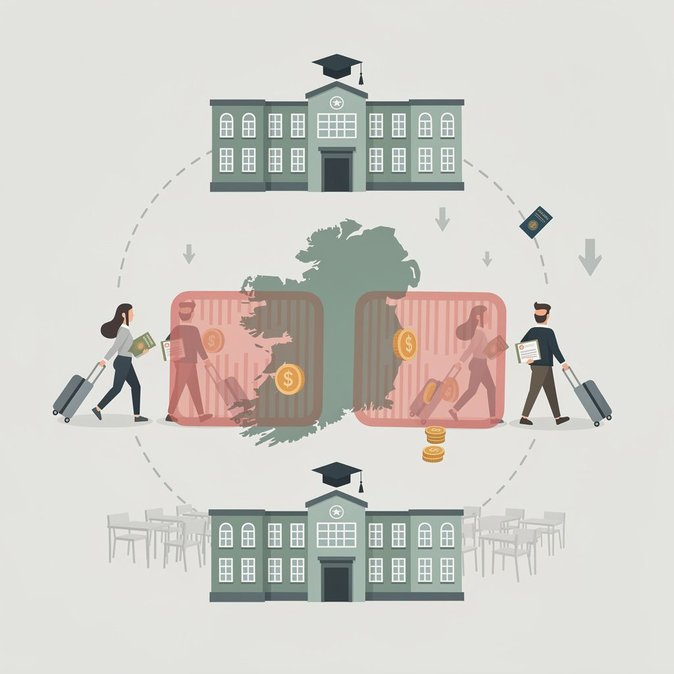
A feature in The Irish Times on 21 November shines a spotlight on the growing number of Irish emigrants planning to move home—and the obstacles they face. One-third of the diaspora surveyed for the Government’s new Diaspora Strategy 2026-2030 said they intend to return within five years, yet many underestimate how both they and the country have changed. Chief among practical worries is a June rule change that raised the minimum gross income required for a non-EEA spouse or partner accompanying a returning Irish citizen from €40 000 to €75 000. Interviewees told the newspaper that securing school places, affordable housing and timely driving-licence swaps adds to the stress. Expat advisers report a surge in calls about whether overseas social-security records will count towards Irish benefits. The Department of Social Protection says it is negotiating new bilateral agreements—especially with Australia and Canada—to allow contribution aggregation. Employers looking to attract highly skilled Irish returnees must factor in relocation supports that go beyond a one-off flight. Tax-free moving expense allowances, bridging accommodation and help navigating the Public Services Card system can tip the balance for candidates deciding between Dublin and Melbourne. The article also notes that the Government is piloting an online ‘Coming Home Portal’ in early 2027 to bundle information on visas for non-Irish family members, school enrolment and health-insurance waiting periods. HR teams should watch for its launch as a consolidated resource. Policy analysts argue that tightening family income thresholds risks pushing mid-career professionals to remain abroad despite labour shortages at home. Stakeholders are urging Ministers to review the requirement within 12 months and to consider regional cost-of-living variations.
Source: The Irish Times