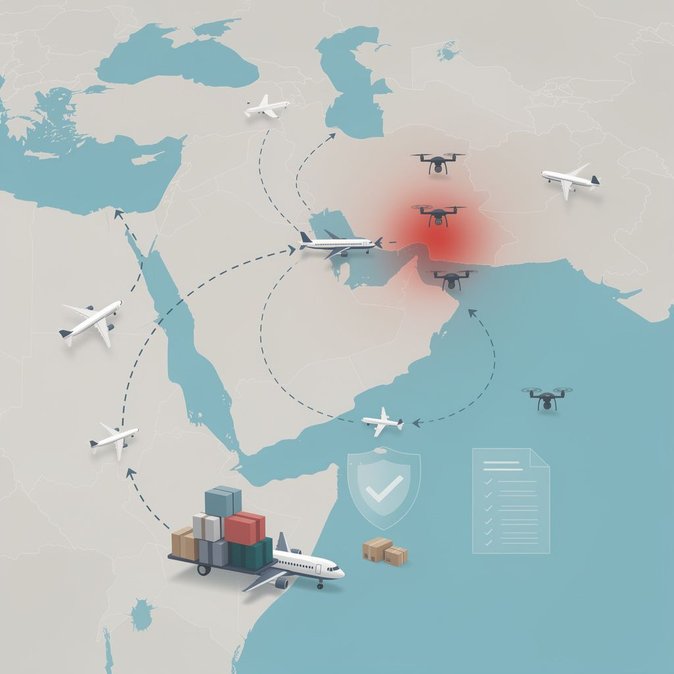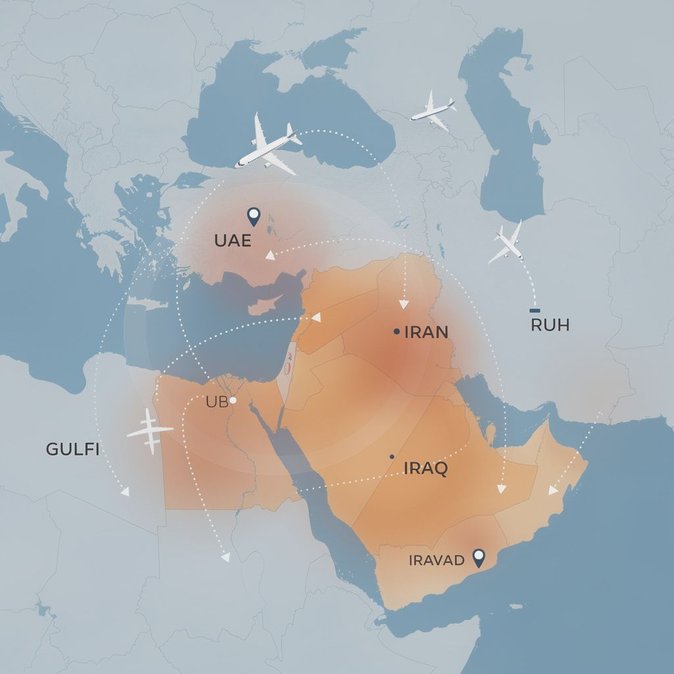
In its latest ‘key updates’ briefing for UAE residents, Gulf News confirmed that the European Union Aviation Safety Agency (EASA) has prolonged all active Gulf conflict-zone bulletins—including those covering Iranian and Iraqi airspace—until 31 January 2027. The notice, updated on 16 November but highlighted again on 22 November amid fresh Iranian attacks on Bahrain, urges airlines to conduct “thorough risk assessments” before operating over or near the affected FIRs. While UAE airspace remains open, carriers continue to trim schedules on sensitive routes. Etihad Airways has cancelled flights to Riyadh and Dammam until at least 30 November, and flydubai’s Dubai–Tel Aviv services are suspended “through late November”. Several Iranian carriers remain banned from UAE airports, and ad-hoc cargo flights are being re-routed via Muscat or Doha to avoid hotspots in the Strait of Hormuz. Travel-risk consultancies say the renewed EASA guidance will push up insurance premiums on flights transiting the upper Gulf, adding an estimated US$45–US$85 per sector for wide-body aircraft—costs likely passed on to corporate travel budgets. Companies with critical staff movements to Saudi Arabia are advised to build extra night-stops into rosters or use surface transport from Dammam to Bahrain International Airport, which currently has better schedule stability. Duty-of-care teams should also note shifting diplomatic dynamics: the UAE has condemned Iran’s strikes on Bahrain, and Oman is positioning Duqm and Sohar ports as alternative cargo hubs. Organisations should review crisis-management plans that depend on rapid air evacuation via Dubai or Abu Dhabi if regional airspace were to close at short notice.
Source: Gulf News