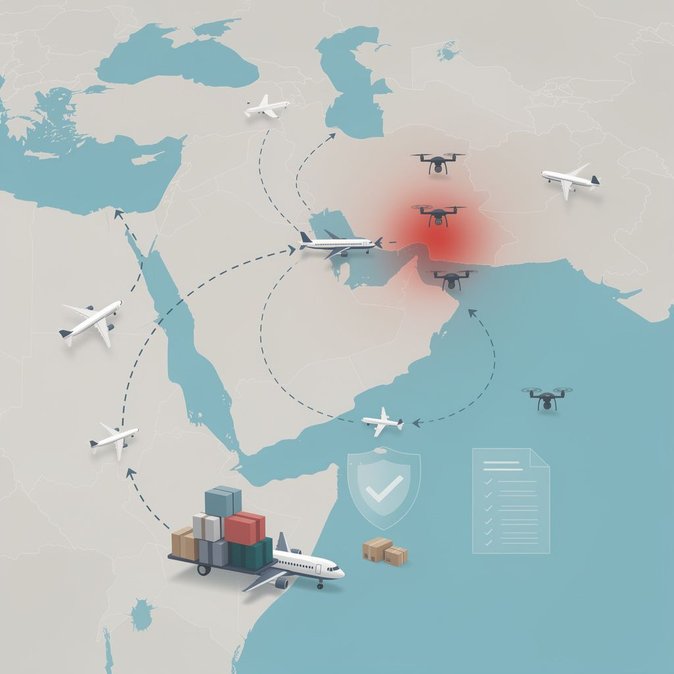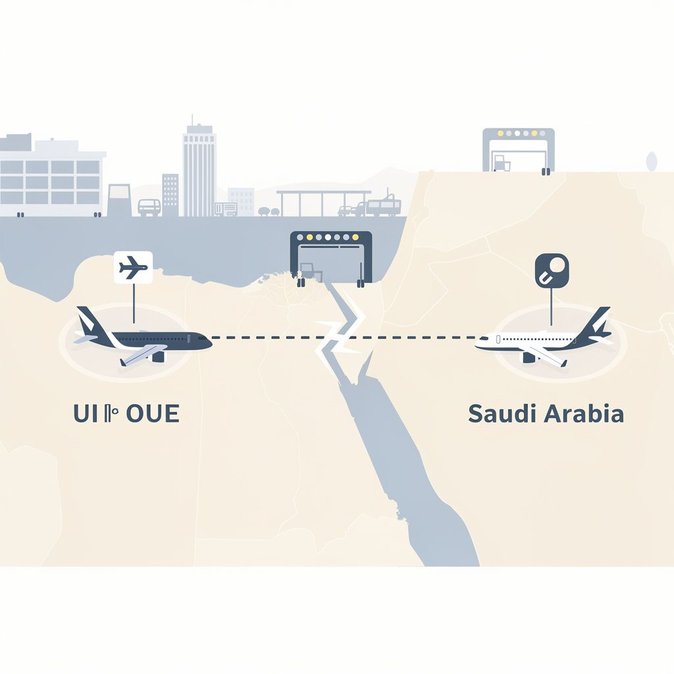
Commercial corridors between the UAE and Saudi Arabia remain patchy after weekend drone and missile attacks on Riyadh oil facilities heightened insurance premiums and air-traffic-control restrictions. Khaleej Times reported on 22 November that Etihad Airways has cancelled all Abu Dhabi–Riyadh and Abu Dhabi–Dammam flights until at least 30 November. Flynas, flydubai and several Indian carriers also logged same-day cancellations and delays at Dubai International. While Emirates continues to operate a reduced Riyadh schedule, forward-capacity data from OAG shows overall seat supply on UAE–Saudi routes is down 27 percent week-on-week. Cargo belly-hold capacity has been hit even harder, disrupting just-in-time spare-parts flows for Gulf energy projects. Travel-management companies say corporate travellers now face routings via Bahrain or Kuwait, adding up to six hours to door-to-door journeys and raising costs during the peak budget-planning season. Risk advisers warn that flight schedules are subject to sudden change because Saudi air-traffic authorities can impose pop-up airspace sanitisation windows to inspect debris at missile-impact sites. Employers with crew rotations or installation teams in the Kingdom are urged to book fully flexible fares and build 24-hour buffers into project timetables. Insurance brokers confirm that some underwriters have re-designated Riyadh and Dammam as ‘Enhanced Risk C’ zones, triggering additional war-risk surcharges of up to USD 650 per sector. UAE-based HR teams should also revisit visa-validity windows: expatriate employees on 30-day single-entry Saudi business visas who are stranded overseas may need re-issuance if their entry deadline lapses. Saudi missions in Abu Dhabi and Dubai have so far granted fee waivers on compassionate grounds, but only for holders who submit proof that their original flights were cancelled by the airline. The disruption underlines the fragility of intra-GCC mobility in a volatile security environment – a key consideration as companies weigh whether to site regional control centres in Dubai or Riyadh. Until airlines restore full double-daily frequencies, talent-deployment planners should tag-team with security and procurement colleagues to monitor airspace advisories and secure block-seating on alternative carriers.
Source: Khaleej Times