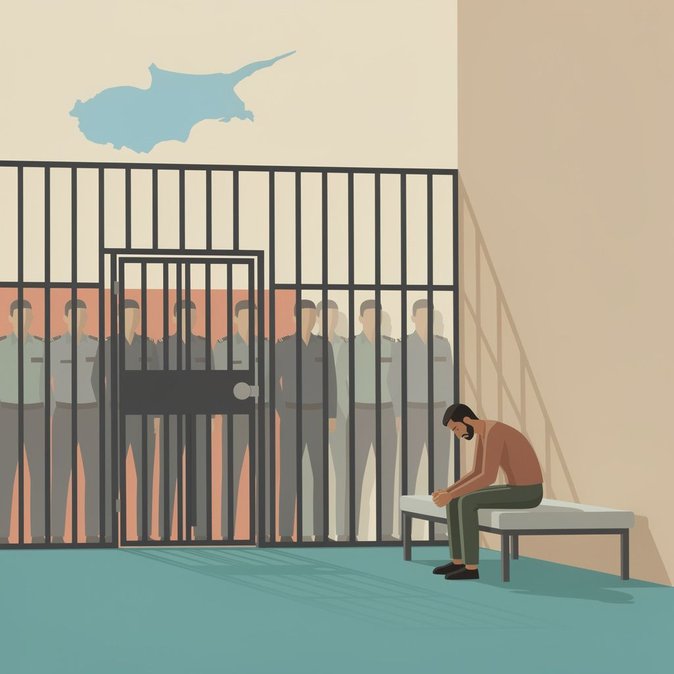
Human-rights groups have called for an urgent investigation after Kurdish asylum-seeker Aslan Muhsin claimed that around 20 police officers beat him while he was handcuffed inside the Menoyia pre-departure detention centre. In an open letter dated 18 November but published by Phileleftheros on 22 November, Muhsin said he has refused food since 5 November, lost eight kilograms and fears permanent health damage. Muhsin’s asylum claim was rejected earlier this year, but an appeal remains before the Cypriot courts. He says he is willing to comply with daily police reporting and other conditions if released pending the outcome, arguing that continued detention violates proportionality principles in the EU Returns Directive. The Independent Authority for the Investigation of Complaints Against the Police confirmed receipt of a formal complaint and told local media it will interview witnesses, including the detainee’s fiancée who allegedly saw part of the incident. The Police Headquarters’ Aliens & Immigration Unit has so far declined detailed comment, citing the ongoing probe but insisting all officers “acted lawfully”. The episode has reignited debate about Cyprus’ heavy use of administrative detention compared with other EU member states. NGOs note that Menoyia has faced repeated criticism from the Council of Europe’s Committee for the Prevention of Torture over medical care gaps and excessive force allegations. They are urging the government to accelerate alternatives-to-detention pilots announced last spring. For global employers relocating staff to Cyprus under work-permit schemes, the case is a reminder that high-profile detention controversies can influence public opinion and policymaking. Companies operating in sectors dependent on third-country nationals — construction, agriculture and domestic care — should monitor potential changes to enforcement policy and ensure recruitment partners apply thorough due-diligence when arranging legal status for workers from politically sensitive regions.