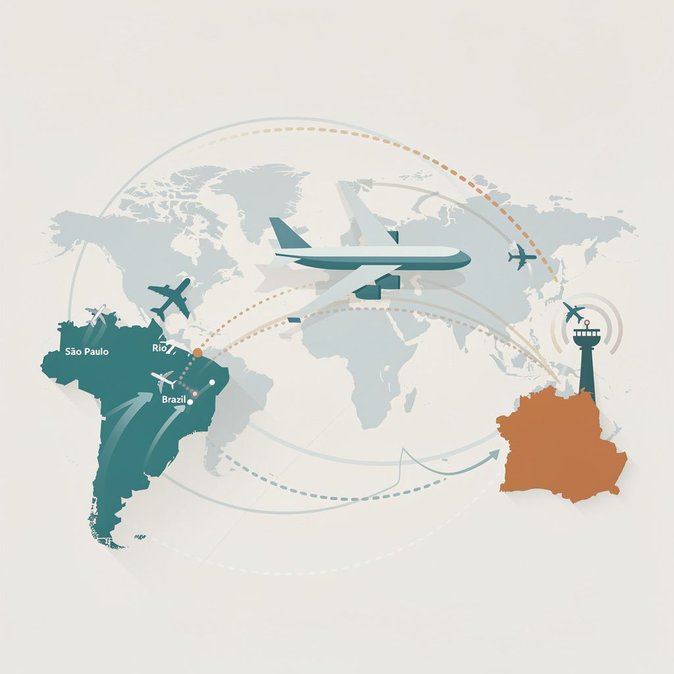
Brazil’s Ministry of Foreign Affairs (MRE) quietly published Portaria MRE No. 707 in the Diário Oficial da União on the evening of 23 November, approving a completely revised Brazilian Consular Regulation. Although the text runs to more than 200 pages, three practical changes stand out for global-mobility managers. First, all Brazilian embassies and consulates will move to a single, paper-less processing model (e-Consular 2.0). As of 15 December, visa applicants in the 117 jurisdictions covered by the reform will upload supporting documents and biometric data online and will be issued a digitally signed QR-coded visa letter instead of the traditional passport sticker. The regulation also authorises honorary consulates to validate those e-visas locally—crucial for remote areas such as Western Australia and Northern Canada where Brazil has no full service post. Second, the Portaria harmonises the rules for emergency travel documents and lost-passport replacements. Brazilians overseas will be able to obtain an emergency laissez-passer without surrendering their expired or damaged passport, provided they sign a digital declaration promising to present the old book for cancellation on arrival. This should shorten airport lines at São Paulo/Guarulhos in the holiday peak and reduce the risk that travellers are forced to buy last-minute tickets home. Third, the regulation codifies the Ministry’s new “connection with Brazil” test for foreign nationals who request consular services such as birth registration or visa processing outside their country of residence. Applicants will have to show family ties, real-estate ownership, pension benefits or other demonstrable links to Brazil. The aim is to curb so-called “visa shopping” and ensure resources are prioritised for Brazilians and bona-fide residents. For corporations, the most immediate impact is the disappearance of passport-submission requirements for temporary-work visas (VITEM-V). Human-resource departments can now initiate new assignments entirely online, cutting lead times that routinely stretched to eight weeks. Multinationals planning January project mobilisations should upload applications before 15 December to benefit from the faster pipeline, but should also review data-security clauses in vendor agreements—since sensitive employee documents will now transit MRE cloud servers. Finally, mobility advisers should prepare travellers for a transition period. Airlines have been briefed via IATA Timatic but may still ask to see the obsolete visa sticker. The Portaria provides that the QR code can be verified offline, yet front-line staff will need training. A practical tip is to carry a colour print-out of the visa PDF and the Portaria’s cover page in Portuguese to ease airline acceptance while the new system beds in.
Source: Portal ComexBR