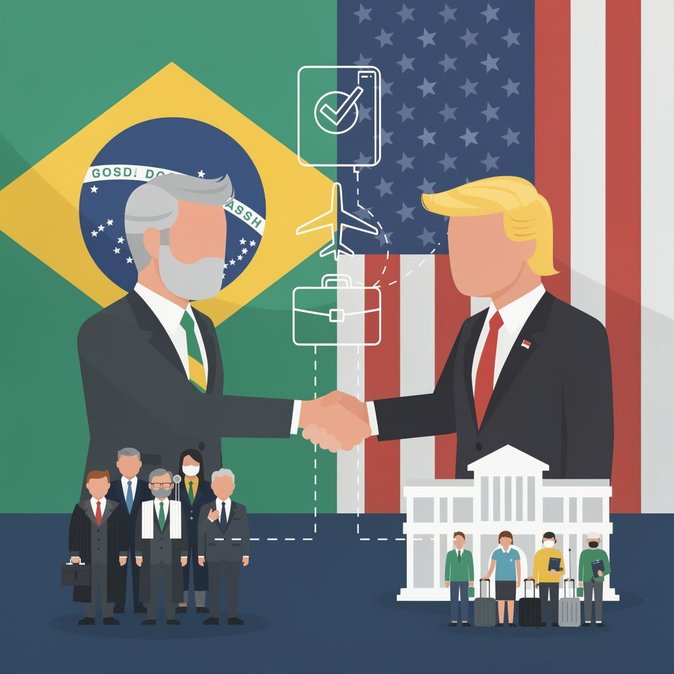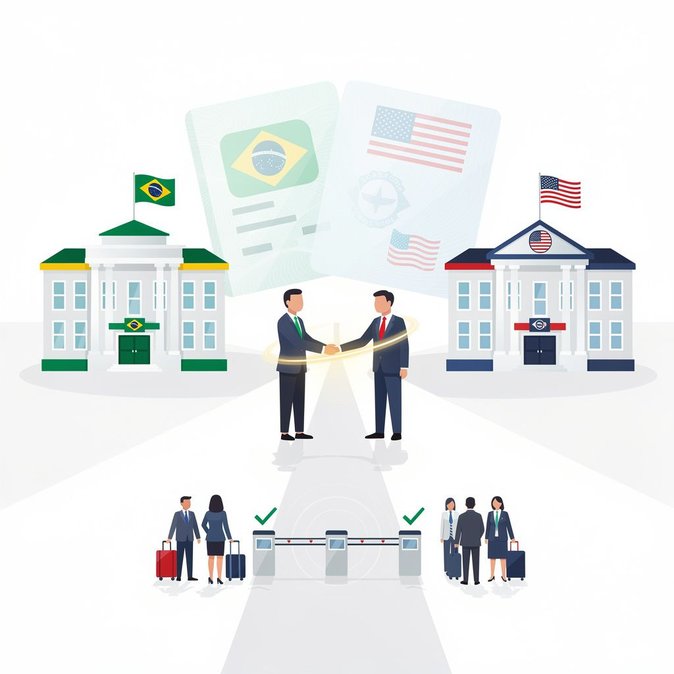
Brazil and the United States are close to resolving a months-long spat that has left both nations without formally accredited ambassadors, according to a BBC News Brasil report published on 21 November. The stalemate began in August when the Trump administration revoked the A-1 diplomatic visa of Brazil’s envoy in Washington, Maria Luisa Viotti, after Brasília delayed granting agrément to U.S. ambassador-designate Daniel Perez. In retaliatory symmetry, Brazil has withheld visas for several senior U.S. Embassy staff. Sources on both sides now say a package deal is in sight: Brazil will issue the agrément for Perez within days, while Washington will restore Viotti’s visa and fast-track credentials for three incoming Brazilian attachés focused on trade, defence and science. The outline emerged after back-channel talks led by Brazil’s Secretary for North American Affairs, Maria Laura da Rocha, and U.S. Assistant Secretary Brian A. Nichols during the APEC summit sidelines in Lima last week. Although the row concerned diplomatic visas, corporate mobility managers felt the chill. Processing of official L-1 intracompany transfers that require secondary clearance by U.S. Mission Brazil had slowed by up to four weeks, and U.S. Customs and Border Protection subjected Brazilian government-official passport-holders to additional questioning at ports of entry. A resolution should normalise those workflows. The episode is also a reminder that diplomatic friction can spill over into business travel—particularly in jurisdictions where consular sections share resources with the political desk. Companies should monitor bilateral politics and keep contingency plans (such as shifting filings to alternate consulates) ready. Analysts hope the forthcoming accord will pave the way for wider talks on streamlining work-visa procedures for aerospace and fintech personnel highlighted in last month’s Brazil-U.S. CEO Forum.
Source: BBC News Brasil