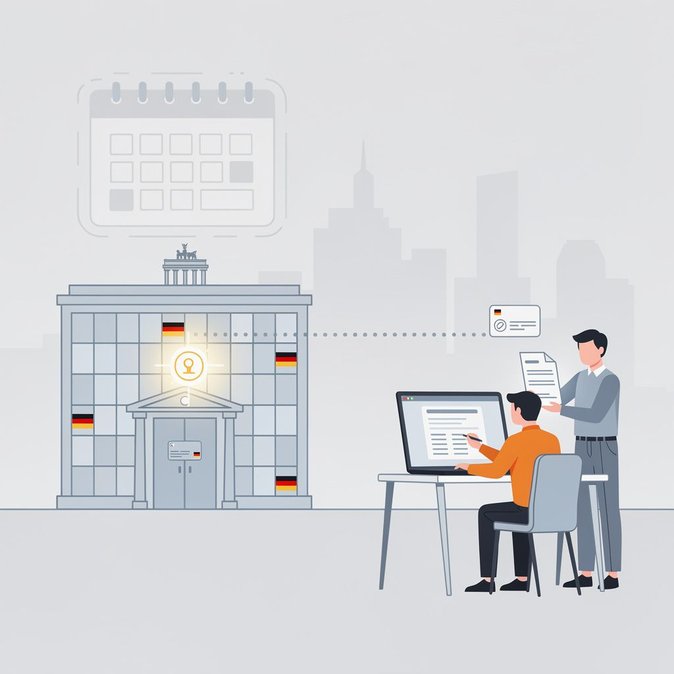
Germany’s parliament took a decisive step toward digitising its migration bureaucracy on 23 November 2026, when the Interior Committee conducted a two-hour public hearing on the draft “KI-Migrationsverwaltungsgesetz” (Artificial-Intelligence Migration Administration Act). The bill would create a legal framework for using machine-learning systems in visa issuance, asylum processing and residency-permit workflows. Supporters—including EBS University law professor Matthias Friebe—argue the legislation will cut processing times, generate cleaner statistical insights and allow authorities to detect fraudulent patterns across large data sets. They stress that any AI system would be limited to recommendation mode, leaving final decisions to human case officers. Civil-rights groups led by the Gesellschaft für Freiheitsrechte blasted the draft as dangerously vague. They warned that bulk data-mining across social-media profiles and “black-box” risk scoring could lead to hidden discrimination against certain nationalities, with little transparency or recourse for applicants. Opponents are demanding mandatory impact assessments, external audits and explicit “human-in-the-loop” safeguards. For global-mobility managers the stakes are high. If enacted, the act could eventually speed up Blue-Card and ICT-permit processing, easing talent deployment into Germany. Yet companies will need to make sure HR data uploaded to government portals complies with the GDPR and that candidates understand how automated screening works. The Interior Ministry aims to pass the bill in 2027; observers expect a hot debate over data protection amendments in the coming weeks. Regardless of the outcome, the hearing signals Berlin’s determination to modernise a paper-heavy migration system that businesses have long criticised for unpredictable timelines.