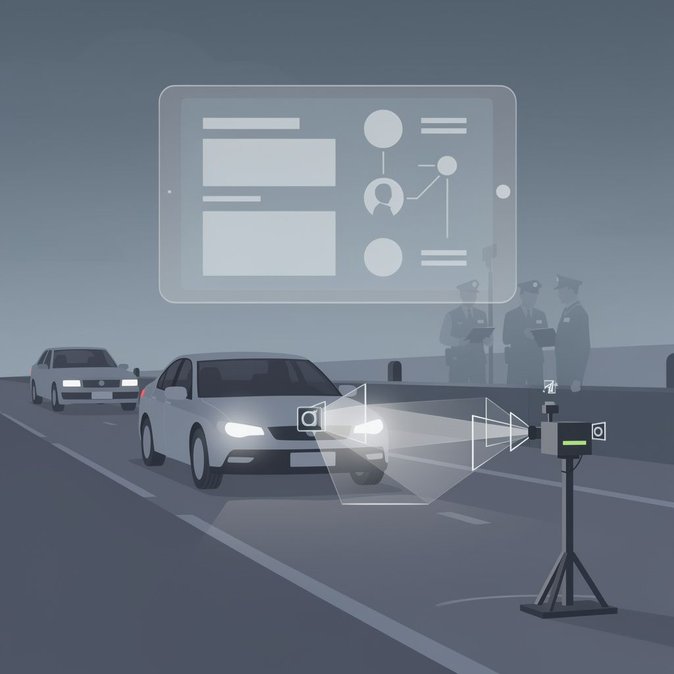
The Atlantic reports that Immigration and Customs Enforcement has quietly rolled out a mobile license-plate-reader application that links directly to its new ELITE database—an AI-enabled mapping tool developed by Palantir. Officers can now point a phone at a plate and instantly pull up a subject’s immigration file, address history and biometric data. Internal documents and court testimony show that field agents have used the technology for random vehicle checks, leading to several controversial shootings this year. Civil-rights advocates warn that the system effectively turns routine traffic stops into immigration dragnets and circumvents DHS privacy guidelines that prohibit “ad hoc” plate queries. ICE deported 483,000 people in fiscal-year 2026, the highest tally on record and nearly 50,000 removals per month. Lawmakers led by Rep. Bennie Thompson are demanding a usage audit and have drafted legislation to curb ICE’s access to plate-reader and facial-recognition feeds. For employers, especially those with large foreign-national workforces, the expanded roadside enforcement increases the risk of sudden employee detentions during commutes or business travel. Mobility teams should ensure workers carry valid immigration documentation and know their rights during traffic stops. Industry analysts also note that the ICE contract could accelerate adoption of similar mobile enforcement tools by CBP at land borders, potentially affecting frequent cross-border business travellers enrolled in SENTRI or FAST.
Source: The Atlantic