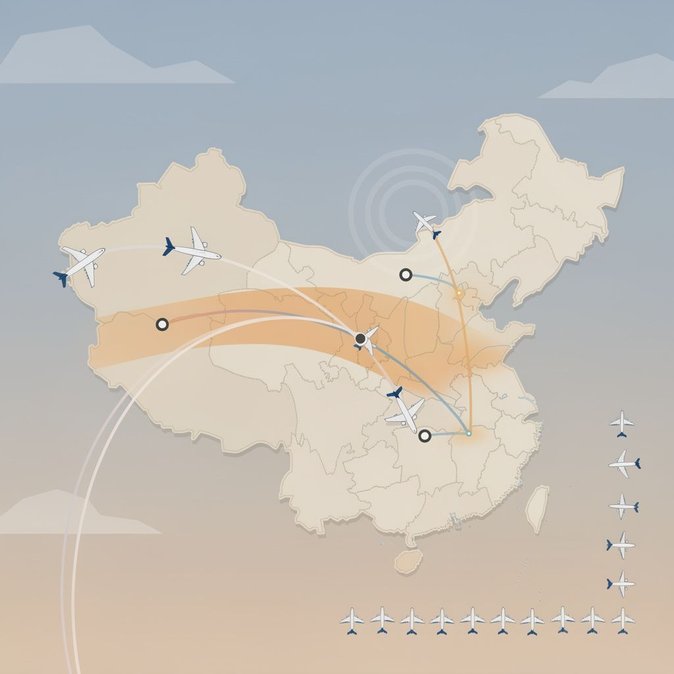
The independent monitoring site Explore With Kojo updated its China Travel Status page on 25 November, confirming that the key 25-kilometer stretch of National Highway G216 between Gyirong Town and the Gyirong Port border-gate remains subject to two-way traffic control three months after catastrophic floods and mudslides. Although the immediate emergency response ended in September, Chinese transport authorities have not yet announced a date for fully lifting restrictions. Only regulated convoys and local vehicles with special permits are allowed to transit, and travelers attempting the Tibet–Nepal overland route continue to face detours of up to 750 kilometers via Xinjiang or air transfers through Chengdu. The continued closure has logistical implications for expedition operators, over-the-road cargo firms and foreign employers with staff in the China–Nepal border region. Tibetan tour agencies report that autumn trekking groups have been rerouted to the Nathu La corridor via Sikkim, while trucking companies are incurring additional fuel and toll costs estimated at US$1,200 per round-trip. Kojo’s tracker also notes that electronic Border Administration Area permits for Shigatse—required by all foreign nationals visiting counties bordering Nepal—remain suspended, effectively halting independent business travel into the region. Mobility managers with assignees in Lhasa or Shigatse are advised to monitor county government notices and plan for aerial supply options until road stability improves.
Source: Explore With Kojo