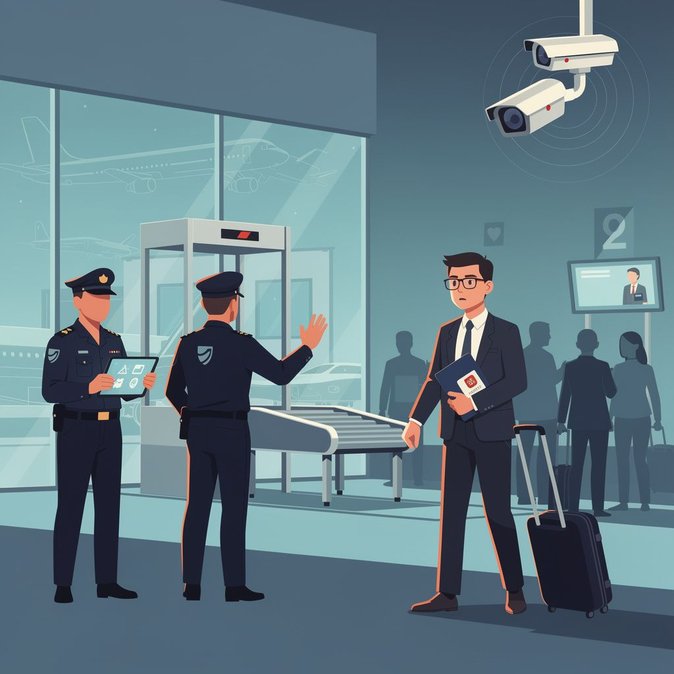
U.S. immigration authorities on Monday, 23 November 2026, detained Dr. Xie Yuhan—a 31-year-old Chinese neuroscientist completing her post-doctoral research at Princeton University—while she attempted to board a China-bound flight at Washington Dulles International Airport. According to an Associated Press report, Customs & Border Protection officers flagged an old asylum case that has lingered unresolved since Xie arrived in the United States as a teenager. ICE agents subsequently placed her in custody pending a bond hearing. Although individual detentions are not uncommon, the case is resonating through Chinese academic and business communities in the United States because it comes just weeks after Washington issued updated national-security screening guidance for science, technology, engineering and mathematics (STEM) visa holders. Legal specialists note that researchers from China already undergo the heaviest visa-vetting under the 2025 CHIPS & Labs safeguard policy; the public detention of a scientist with no criminal record is therefore seen as a significant escalation. For Chinese expatriates—and the U.S. universities and technology companies that sponsor them—the episode underscores the importance of maintaining accurate immigration status records and monitoring pending applications. Corporate mobility managers should review Form I-983 training plans and ensure that employees understand the risks of traveling internationally while adjustment-of-status or asylum cases remain open. Travel-ban exemptions for essential researchers remain available, but the paperwork must be carried at all times. Princeton University has issued a statement supporting Dr. Xie and confirming that outside counsel has filed an emergency motion for release. Chinese consular officials in New York said they are “closely following the situation” and have requested consular access. Whether the case develops into a broader diplomatic incident will depend on the outcome of the bond hearing later this week, but the incident already reminds Chinese professionals abroad that U.S. border checks can override valid visas in specific circumstances. In practical terms, Chinese nationals departing the United States should build extra time into airport itineraries, carry full copies of immigration filings, and consult with counsel before travel if any change-of-status, asylum or STEM-OPT paperwork is pending. Multinational companies should circulate immediate alerts to Chinese assignees, particularly those in sensitive research fields, to minimise the risk of unexpected detentions.
Source: Associated Press