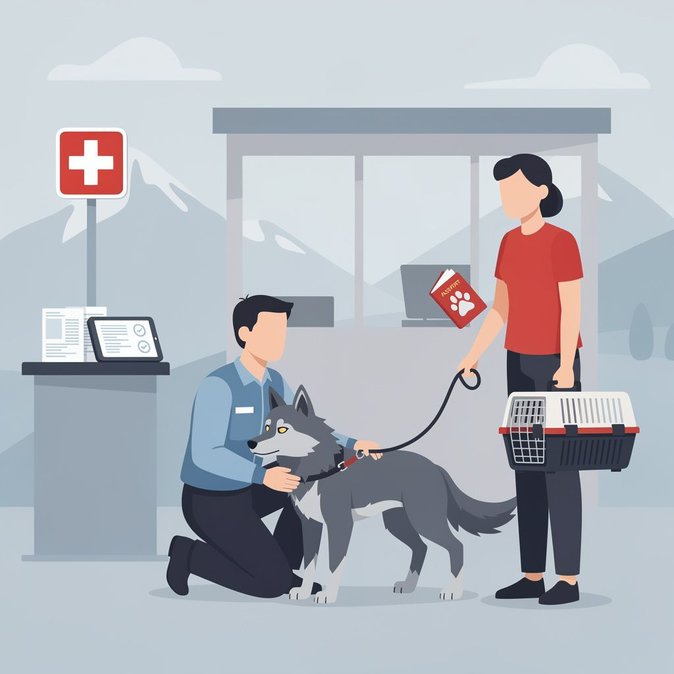
A bizarre case uncovered by Bernese authorities this week has highlighted the challenges customs officers face in distinguishing legitimate companion animals from protected wildlife. According to a report in The Local on 27 November, genetic tests revealed that an animal registered for years as a domestic dog was in fact a full-grown wolf illegally brought into Switzerland with a forged EU pet passport. The Federal Office for Customs and Border Security (BAZG) seized the animal and transferred it to a specialised sanctuary; the owner faces criminal charges under both animal-welfare and CITES legislation. The incident began when cantonal veterinary inspectors noticed unusual behavioural traits. DNA sampling confirmed 100 % Canis lupus lineage, proving the passport – issued in another EU state – had been fraudulently obtained. Investigators believe the wolf was smuggled into Switzerland several years ago, bypassing mandatory import controls that apply to wild species. From a mobility standpoint the case underscores the growing sophistication of document fraud involving so-called ‘exotic’ pets. Since 1 November Switzerland has required microchip verification against the EU TRACES database at all external borders for listed species, but spot checks inside Schengen remain rare. Employers relocating staff with pets should therefore remind assignees that any falsification of veterinary documents can lead to prosecution and seizure of the animal. The affair may accelerate plans for a unified digital health-certificate system – discussed this month by the Schengen veterinary working group – that would tie pet passports to the owner’s biometric ID, making it harder to repurpose documents. For the moment, customs say they will increase random inspections at major road crossings, particularly on routes from Italy where most wildlife trafficking cases originate.
Source: The Local Switzerland