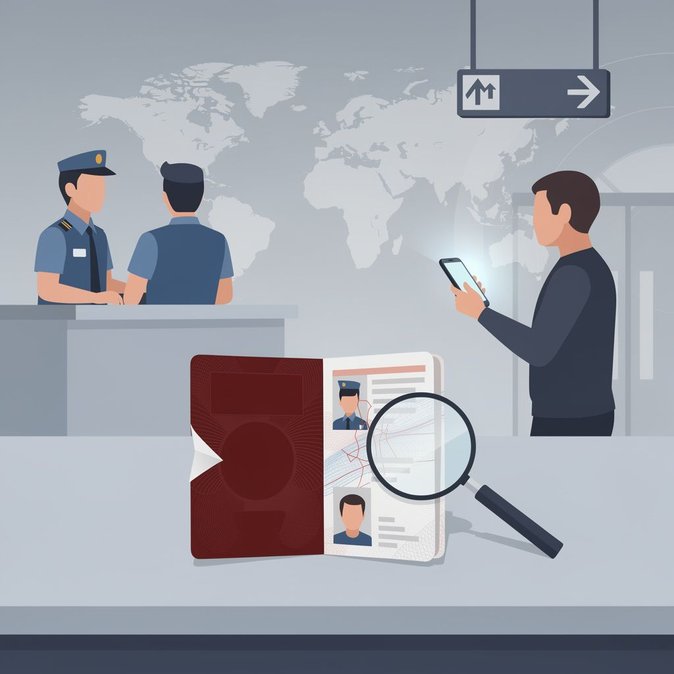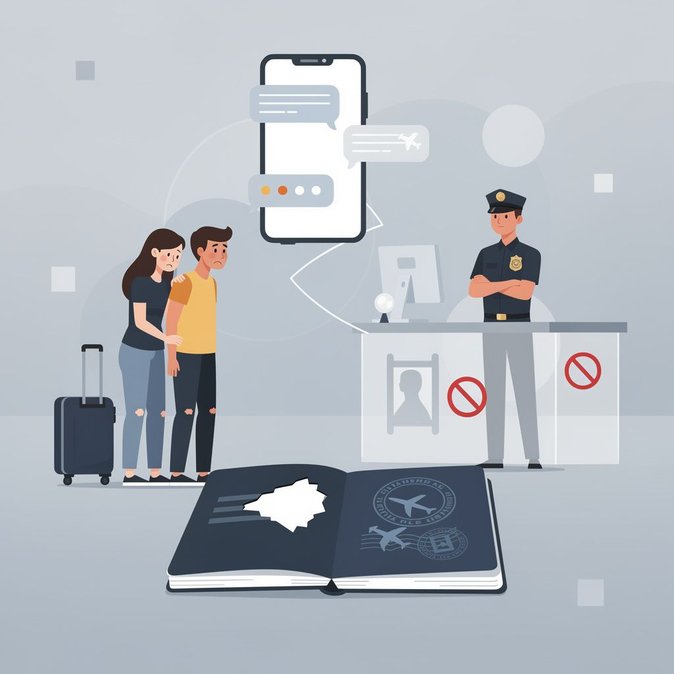
Hong Kong’s Immigration Department (ImmD) moved swiftly on Thursday night after laboratory tests indicated that four pages were deliberately torn out of a 27-year-old woman’s Hong Kong Special Administrative Region (HKSAR) passport. The woman and her 34-year-old boyfriend were picked up at a Lam Tin public-housing estate and taken to ImmD headquarters, where they were questioned on suspicion of unlawful alteration of a travel document and misleading immigration officers. The investigation was triggered by the woman’s viral post on Threads, in which she claimed a “manufacturing defect” in her passport had ruined a birthday trip to Japan on 23 – 29 November when Japanese immigration officers refused her entry at Narita Airport. After the post drew wide media attention, ImmD sent the document to the Government Laboratory; forensic examiners found torn-paper residue and ruled out printing flaws, prompting Thursday’s arrests. ImmD officers say they are looking into whether the couple tampered with the passport to conceal previous travel history or visa stamps. Under Hong Kong’s Immigration Ordinance, altering a travel document carries a maximum penalty of 10 years’ imprisonment. Japan’s Immigration Services Agency is co-operating with Hong Kong authorities but has not indicated whether further action will be taken on the Japanese side. The case has reignited discussion among outbound business and leisure travellers about the importance of checking travel documents before departure, especially as many companies resume frequent-flyer programmes and regional assignments. Travel-risk consultants are advising corporates to add a last-mile passport integrity check—looking for missing pages, water damage and unofficial stamps—to pre-trip briefings. Airlines have reminded passengers that carriers can be fined and forced to repatriate travellers who arrive with invalid documents. For Hong Kong residents, the incident is also a cautionary tale about social-media complaints. Posting unverified claims that implicate government services can expose travellers to criminal liability if the information is found to be false. ImmD stressed that anyone who discovers a genuine production defect should immediately contact the department, which will replace the passport free of charge rather than risk refusal at foreign borders.
Source: South China Morning Post