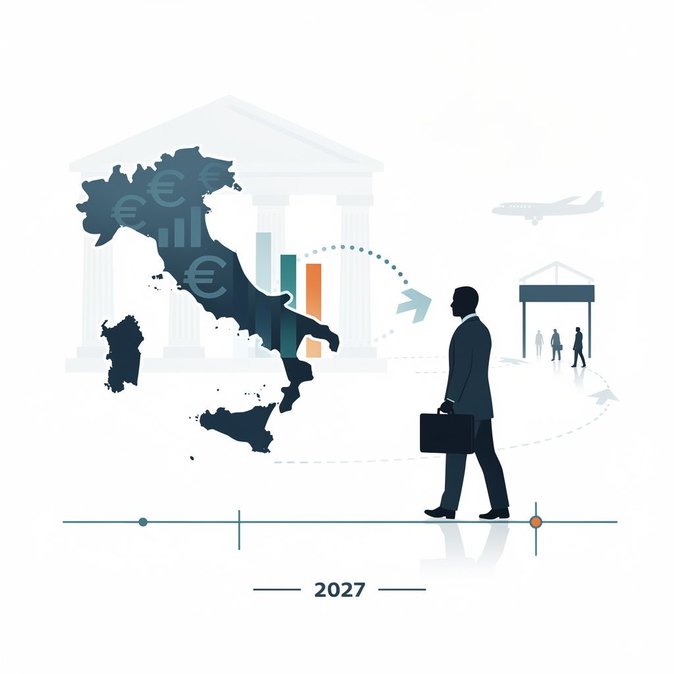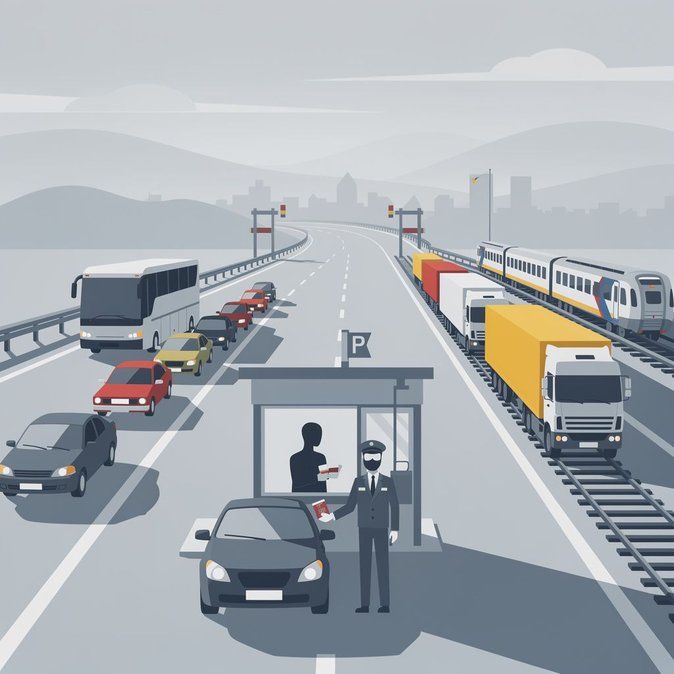
Italy will keep carrying out systematic police checks at its land frontier with Slovenia until at least 18 June 2027, Interior Minister Matteo Piantedosi announced on 26 November 2026 after a security meeting in Trieste. The controls, first introduced in June in response to concerns about irregular migration along the so-called Western Balkan route, had been due to lapse next month. According to the minister, officers stationed at crossing points such as Fernetti and Rabuiese have intercepted more than 700 people flagged in the Schengen Information System as threats to national security and have refused entry to around 6,600 travellers since the measure began. The extension means that anyone entering Italy from Slovenia by road or rail will continue to face passport inspections and, where relevant, vehicle searches. Commuters and freight hauliers can still use the same authorised crossing points, but should expect possible queues during peak hours. Airlines operating the Trieste-Ljubljana bus link have also warned of potential delays because coaches must now stop at border posts. Business groups broadly support the move, saying it helps curb people-smuggling networks. However, haulage associations complain that waiting times have lengthened by up to 40 minutes, raising costs for just-in-time deliveries between Italian factories and suppliers in Central Europe. Regional authorities in Friuli-Venezia Giulia insist that the checks will remain “proportionate” and will not jeopardise cross-border workers, 28,000 of whom commute daily. Under Schengen rules, a member state can re-introduce internal border controls for renewable six-month periods if it faces a serious threat to public order or internal security. Italy must now send a detailed report to the European Commission explaining why the measure remains necessary and outlining steps to minimise disruption. If the security situation improves, Rome could lift the checks before June, but officials say that is unlikely given ongoing conflicts in the Middle East and Ukraine that are fuelling secondary migration through the Balkans.
Source: ANSA