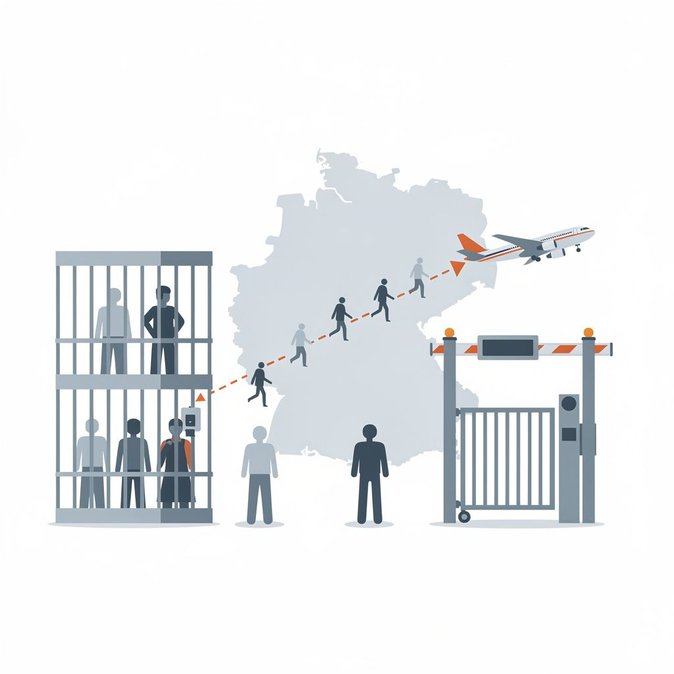
Belgium’s governing Mouvement Réformateur (MR) unveiled on 28 November a hard-line blueprint to cut the proportion of foreign nationals in Belgian prisons from 45 % to the European average of 25 % by 2028. The party’s position paper, “Foreign Prisoners – For a Firm Return Policy,” promises 108 new detention-centre beds, 150 extra staff and a commitment from the Immigration Office (DVZ/IBZ) to remove convicted migrants within one month of the earliest legal departure date. Key targets include 2 000 forced returns by April 2027, among them 275 to Morocco and 500 intra-EU transfers to neighbouring Germany and the Netherlands. The strategy dovetails with last March’s cabinet agreement to treat returns as the primary lever against prison overcrowding, which currently costs taxpayers an estimated €240 million annually. Practically, the plan accelerates deportation preparations up to 12 months before sentence completion and allows conditional release pending removal once travel documents are issued. It also pledges 72 additional federal escort officers by year-end and intensified consular diplomacy with Algeria, Tunisia and Albania to speed laissez-passer issuance. For global mobility and duty-of-care managers the announcement has two immediate implications. First, overstaying or status-lapsed employees in Belgium’s prisons can expect swifter removal, shortening the window for legal or humanitarian appeals. Second, companies employing third-country nationals should double-check compliance: minor criminal convictions may now trigger expedited expulsion, jeopardising project staffing. Lawyers caution that the plan will test Belgium’s detention-capacity ceilings and could face challenges under EU return-procedure safeguards. Nevertheless, the policy marks the most assertive deportation timetable Belgium has set in two decades, signalling a tougher enforcement environment for irregular migrants and their employers.
Source: Mouvement Réformateur (MR)