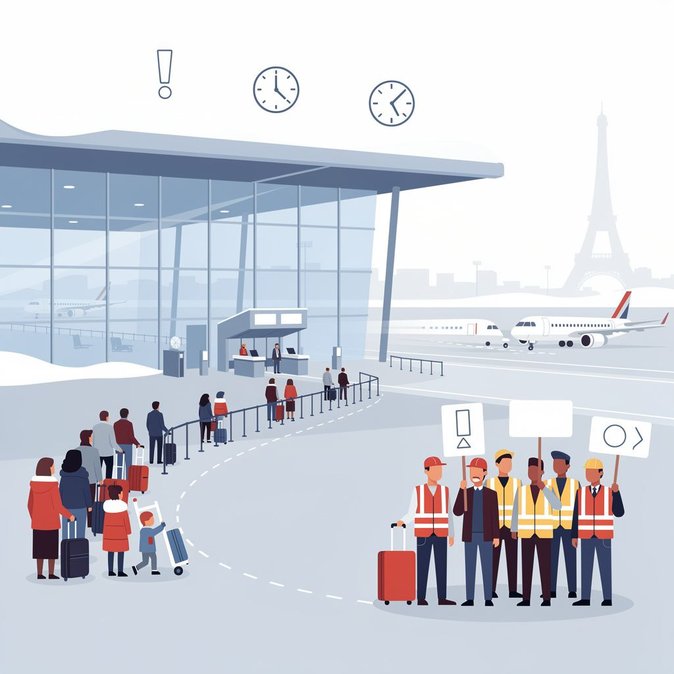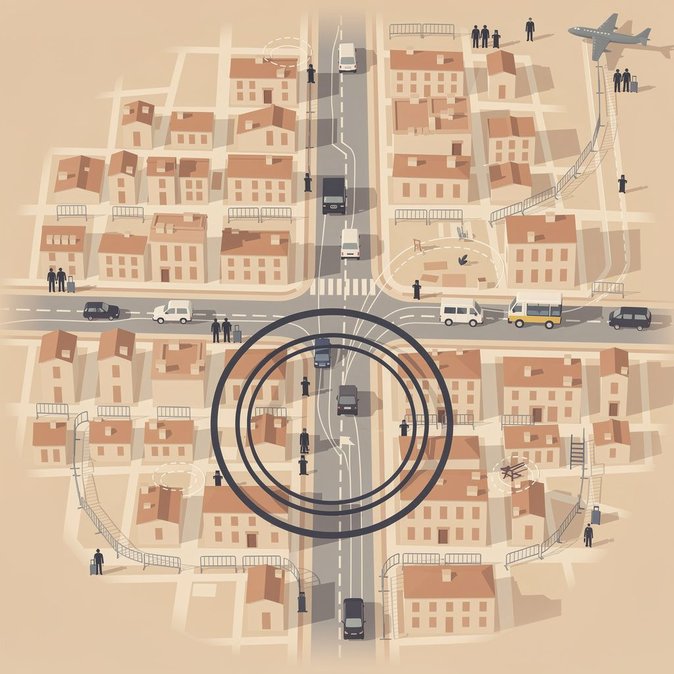
The Prefecture of Pyrénées-Orientales issued an extraordinary order on 27 November establishing a no-protest perimeter in central Perpignan from 08:00 to 23:59 on Saturday 28 November. The decree bans demonstrations, the transport of fuel canisters, fireworks and any objects that can be used as weapons, and even prohibits the wearing of protective gear such as helmets and goggles. The measures respond to online calls for a seventh weekend of protests against cost-of-living pressures. Similar rallies earlier in the month led to tram disruptions and road closures, prompting hoteliers and conference organisers to raise concerns about guest safety and access. On Saturday morning, local police erected checkpoints on Boulevard Wilson and closed sections of Avenue Général Leclerc, diverting traffic around the historic centre. Guests at two international hotel chains reported taxi journeys from Perpignan-Rivesaltes Airport taking 50 minutes instead of the usual 20. SNCF kept TGV and TER services running but advised passengers to use the south exit of Perpignan station to avoid crowd gatherings. For companies relocating staff to the Occitanie region—or running Spanish-French cross-border operations—the ad-hoc perimeter illustrates how domestic security measures can disrupt last-mile mobility even when national borders remain open. Employers should monitor prefectural feeds on X/Twitter and build flexible ground-transport options (e-scooters, ride-shares) into travel policies. The order expires at midnight, but the prefect warned he could replicate the perimeter model in other Occitanie cities if violence flares again, signalling a more muscular approach that mobility programmes will need to track.