Australia’s major gateways are bracing for the busiest Christmas-New-Year period since 2019, with more than 23.4 million passengers forecast to move through domestic and international terminals in December-January. In a joint statement dated 23 December, the Australian Border Force (ABF) and Australian Federal Police (AFP) announced a “high-visibility surge” across the country’s nine designated international airports.
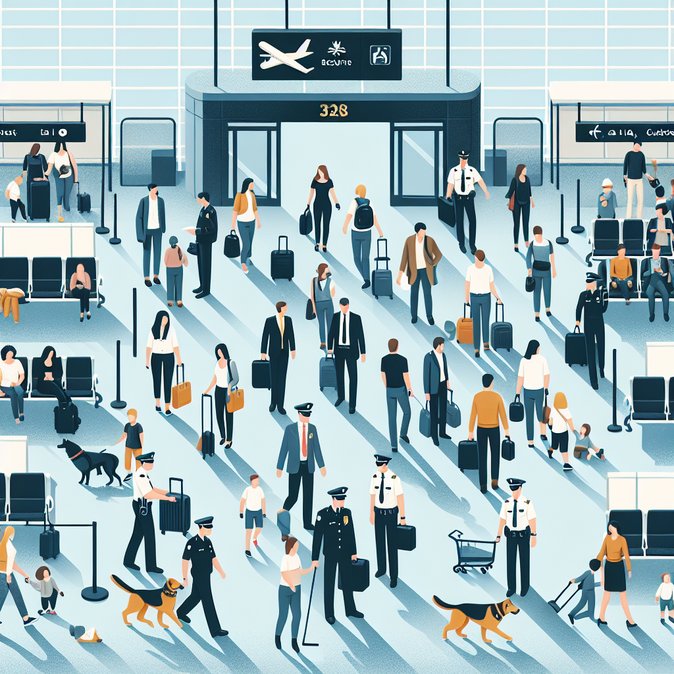
More than 500 uniformed AFP officers will conduct patrols backed by canine units and short-barrel-rifle teams, while ABF has redeployed customs and immigration staff to front-line desks to reduce bottlenecks at passport control. The agencies report a 28 per cent increase in proactive aviation-security operations in 2025 and more than 21,000 incident responses so far this year. Travellers are being urged to arrive early, expect random baggage swabs and refrain from abusive behaviour; 1,160 people have already been charged with airport-related offences in 2025.
![Border Force and AFP deploy extra airport patrols for record-breaking holiday travel surge]()
For corporate travel managers the message is clear: build extra buffer time into itineraries. Sydney and Melbourne peak-hour queues could exceed 45 minutes even for e-passport holders if any lane closures occur. Companies relocating staff over the southern-hemisphere summer are advised to pre-clear unaccompanied minors and pets, and to alert employees that officers may seize commercial quantities of duty-free alcohol or tobacco.
Airport retail and hospitality operators, meanwhile, welcome the surge as a revenue boost but worry about crowd control. Brisbane Airport Corporation is hiring 200 temporary customer-service staff and has converted a cargo shed into an overflow arrivals hall in case immigration halls hit capacity.
The travel-season operations will run until 2 February 2026, overlapping with the Asian Lunar-New-Year exodus. ABF Acting Commander Geoff Quinn said officers would “stand shoulder to shoulder” with the AFP to keep queues moving while maintaining vigilance against illicit-drug couriers and child-exploitation material. Passengers are encouraged to use the Airport-Watch hotline (131 237) if they see suspicious activity.
More than 500 uniformed AFP officers will conduct patrols backed by canine units and short-barrel-rifle teams, while ABF has redeployed customs and immigration staff to front-line desks to reduce bottlenecks at passport control. The agencies report a 28 per cent increase in proactive aviation-security operations in 2025 and more than 21,000 incident responses so far this year. Travellers are being urged to arrive early, expect random baggage swabs and refrain from abusive behaviour; 1,160 people have already been charged with airport-related offences in 2025.
For corporate travel managers the message is clear: build extra buffer time into itineraries. Sydney and Melbourne peak-hour queues could exceed 45 minutes even for e-passport holders if any lane closures occur. Companies relocating staff over the southern-hemisphere summer are advised to pre-clear unaccompanied minors and pets, and to alert employees that officers may seize commercial quantities of duty-free alcohol or tobacco.
Airport retail and hospitality operators, meanwhile, welcome the surge as a revenue boost but worry about crowd control. Brisbane Airport Corporation is hiring 200 temporary customer-service staff and has converted a cargo shed into an overflow arrivals hall in case immigration halls hit capacity.
The travel-season operations will run until 2 February 2026, overlapping with the Asian Lunar-New-Year exodus. ABF Acting Commander Geoff Quinn said officers would “stand shoulder to shoulder” with the AFP to keep queues moving while maintaining vigilance against illicit-drug couriers and child-exploitation material. Passengers are encouraged to use the Airport-Watch hotline (131 237) if they see suspicious activity.
Source: Australian Border Force Newsroom