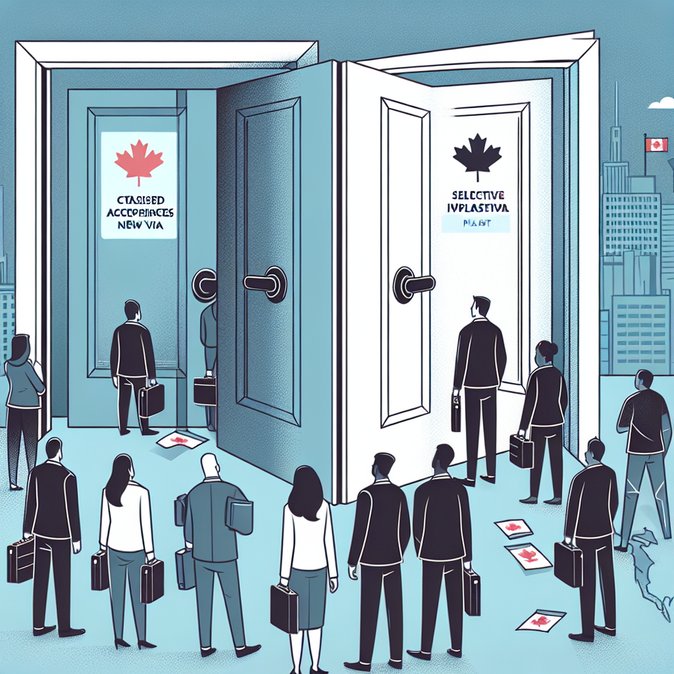
Canada’s popular Start-Up Visa (SUV) programme closed to new permanent-residence applications at 23:59 ET on 31 December 2025. Only entrepreneurs who obtained a commitment certificate from an angel investor group, venture-capital fund or business incubator during 2025 have a grace period until 30 June 2026 to lodge their files. New SUV-linked work-permit applications are also suspended, although existing permit holders may seek extensions while their permanent-residence cases wind through IRCC.
The federal government says the freeze will pave the way for “a more targeted pilot” to be unveiled later in 2026. Ottawa has long signalled frustration that SUV admissions—capped at 1,000 principal applicants per year—were swamped by low-viability projects, creating backlogs that now exceed 46 months. Critics within Canada’s tech sector argue the hiatus risks driving founders to the United States or the United Kingdom, both of which revamped founder visas in 2025.
![Ottawa pauses Start-Up Visa admissions ahead of new entrepreneur pilot]()
Immigration lawyers are scrambling to repurpose draft SUV files into provincial entrepreneur streams, where processing is quicker but obligations—such as net-worth thresholds, escrow deposits and in-province residency—are stricter. Venture capitalists, meanwhile, are urging Ottawa to publish transition rules quickly so they can reassure foreign co-founders whose relocation plans are tied to seed funding rounds.
For corporate mobility teams, the immediate impact is on executives who were counting on SUV work permits to lead Canadian R&D hubs. Employers may need to pivot to intra-company transfer (ICT) permits or Global Talent Stream LMIA pathways to keep projects on schedule.
The federal government says the freeze will pave the way for “a more targeted pilot” to be unveiled later in 2026. Ottawa has long signalled frustration that SUV admissions—capped at 1,000 principal applicants per year—were swamped by low-viability projects, creating backlogs that now exceed 46 months. Critics within Canada’s tech sector argue the hiatus risks driving founders to the United States or the United Kingdom, both of which revamped founder visas in 2025.

Immigration lawyers are scrambling to repurpose draft SUV files into provincial entrepreneur streams, where processing is quicker but obligations—such as net-worth thresholds, escrow deposits and in-province residency—are stricter. Venture capitalists, meanwhile, are urging Ottawa to publish transition rules quickly so they can reassure foreign co-founders whose relocation plans are tied to seed funding rounds.
For corporate mobility teams, the immediate impact is on executives who were counting on SUV work permits to lead Canadian R&D hubs. Employers may need to pivot to intra-company transfer (ICT) permits or Global Talent Stream LMIA pathways to keep projects on schedule.
Source: UNA Immigration News
How VisaHQ can help
VisaHQ simplifies the visa application process for individuals and businesses. Check current travel requirements, prepare the required documents and manage your application online through the VisaHQ Canada portal.More From Canada
View all
Alberta tightens Rural Renewal Stream: valid permits now required and TEER 4-5 applicants must already reside in-province

Ontario’s new “As-of-Right” rule lets out-of-province professionals start work in 10 days