
Brazil’s long-trailed overhaul of humanitarian visas quietly took effect on 1 January, and the impact became clear when compliance specialists flagged the change on 16 January. Inter-ministerial Ordinance 14/2025 abolishes ad-hoc programmes that had offered bespoke visa channels to Afghans, Haitians, Ukrainians and other nationalities. In their place is a single framework that lets the ministries of Justice and Foreign Affairs publish (and update) an eligibility list by executive decree.
Because no list has yet been issued, new humanitarian-visa filings are effectively on hold. Applicants holding already-approved authorisations may still enter and register, but NGOs report dozens of cases stuck mid-process. Government insiders say the first eligibility list—expected in February—will prioritise nationals from Sudan, Gaza and Ukraine, reflecting current crises.
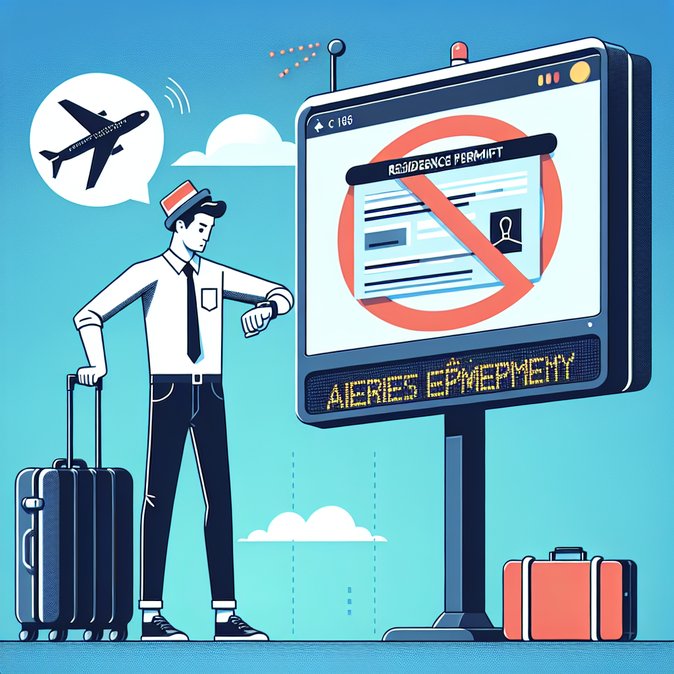
![Brazil Pauses Country-Specific Humanitarian Visas, Switching to Single Umbrella Regime]()
For multinational firms running CSR projects or extracting staff from conflict zones, the pause threatens contingency plans. Companies should explore tourist, student or digital-nomad visas for urgent moves, while documenting medical needs or security threats that could support discretionary ‘humanitarian residence permits’ later.
The reform aims to make Brazil’s policy more agile, but in the short term it introduces uncertainty and procedural gaps. Legal counsel recommends that mobility managers monitor Diário Oficial updates daily and coach travellers on alternative entry options until the umbrella scheme is fully operational.
Because no list has yet been issued, new humanitarian-visa filings are effectively on hold. Applicants holding already-approved authorisations may still enter and register, but NGOs report dozens of cases stuck mid-process. Government insiders say the first eligibility list—expected in February—will prioritise nationals from Sudan, Gaza and Ukraine, reflecting current crises.

For multinational firms running CSR projects or extracting staff from conflict zones, the pause threatens contingency plans. Companies should explore tourist, student or digital-nomad visas for urgent moves, while documenting medical needs or security threats that could support discretionary ‘humanitarian residence permits’ later.
The reform aims to make Brazil’s policy more agile, but in the short term it introduces uncertainty and procedural gaps. Legal counsel recommends that mobility managers monitor Diário Oficial updates daily and coach travellers on alternative entry options until the umbrella scheme is fully operational.
Source: VisaHQ Global Mobility News
How VisaHQ can help
VisaHQ simplifies the visa application process for individuals and businesses. Check current travel requirements, prepare the required documents and manage your application online through the VisaHQ Brazil portal.More From Brazil
View all
EU–Mercosur Agreement Signed: Mobility Chapter Promises Priority Visas for Brazilian and European Executives
Brazil’s Federal Police Begins Daily Publication of Residency-Loss Notices, Signalling Compliance Crackdown