The 2026 edition of the Henley Passport Index, released on 20 January, paints a mixed picture for Indian global mobility.
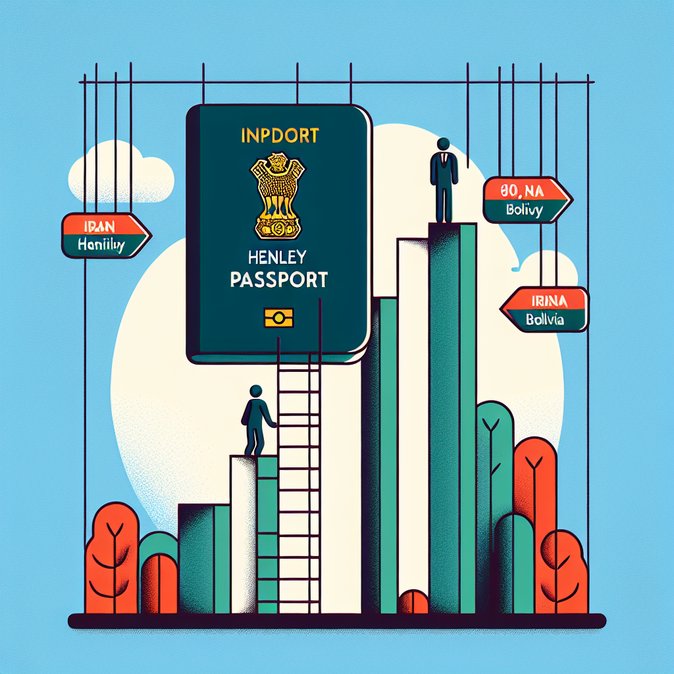
On the upside, India moves five places—from 85th to 80th—thanks to incremental bilateral deals and broader post-pandemic reopening. Yet the number of destinations available without a prior visa (or with visa-on-arrival) has actually fallen from 57 to 55 after Iran scrapped its waiver in November 2025 and Bolivia switched to an e-visa regime this month.
![India climbs to 80th on Henley Passport Index—but visa-free tally slips to 55]()
For multinationals, the headline shift means mobility teams should update travel-policy matrices: executives transiting Tehran or La Paz must now secure consular or online approvals in advance, adding lead-time and cost. At the same time, Malaysia, Kazakhstan and several Caribbean states still offer visa-free or VOA access, providing useful staging posts for project travel.
Consultants note that India’s gradual rise reflects sustained diplomatic lobbying, but deeper reforms—such as reciprocal work-holiday schemes or APEC-style business-travel cards—are needed to break into the top-50 mobility tier.
In the short term, travel managers should audit “visa-light” itineraries and communicate the new requirements to assignees to avoid last-minute boarding denials. (businesstoday.in)
On the upside, India moves five places—from 85th to 80th—thanks to incremental bilateral deals and broader post-pandemic reopening. Yet the number of destinations available without a prior visa (or with visa-on-arrival) has actually fallen from 57 to 55 after Iran scrapped its waiver in November 2025 and Bolivia switched to an e-visa regime this month.

For multinationals, the headline shift means mobility teams should update travel-policy matrices: executives transiting Tehran or La Paz must now secure consular or online approvals in advance, adding lead-time and cost. At the same time, Malaysia, Kazakhstan and several Caribbean states still offer visa-free or VOA access, providing useful staging posts for project travel.
Consultants note that India’s gradual rise reflects sustained diplomatic lobbying, but deeper reforms—such as reciprocal work-holiday schemes or APEC-style business-travel cards—are needed to break into the top-50 mobility tier.
In the short term, travel managers should audit “visa-light” itineraries and communicate the new requirements to assignees to avoid last-minute boarding denials. (businesstoday.in)
Source: Business Today