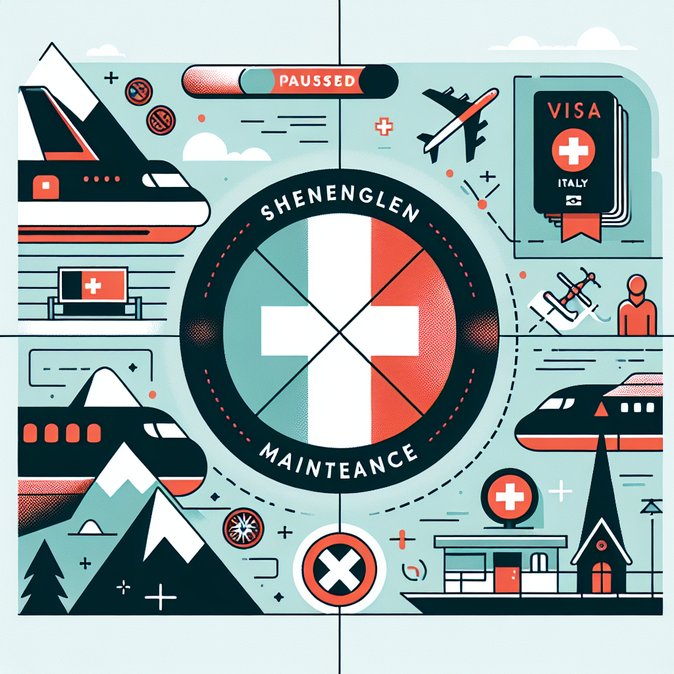
Travel planners across the Alps scrambled on 5 February after Italian authorities confirmed a temporary suspension of all Schengen visa processing later this month, citing an IT migration. The eight-day “blackout” will prevent consulates worldwide from issuing Italian short-stay visas between 11 and 18 February.
Because Schengen rules require travellers to obtain their visa from the country that is their main destination, tour operators say the halt will strand thousands of non-EU tourists whose itineraries combine Italy with Switzerland, France or Spain. Luxury resorts in Zermatt, St Moritz and Verbier depend heavily on long-haul visitors who land in Milan or Venice before continuing by train or helicopter transfer into Switzerland. Several five-star properties report cancellations from Southeast Asia and the Gulf as guests realise they cannot secure an Italian visa in time.
![Italy’s week-long visa blackout threatens Swiss ski season and regional itineraries]()
Swiss inbound agencies are rushing to reroute clients via Paris or Munich—an option that may still fail if Italy remains the trip’s “principal” destination on paper. Airlines, meanwhile, fear last-minute no-shows on intercontinental flights bound for Italy, complicating crew rosters and revenue management.
The blackout also undercuts corporate mobility programmes that rely on Italian consulates for Schengen visas covering multi-country project work. HR teams are being advised to split trips—applying for Swiss or French visas where those stays exceed time in Italy—or to defer travel until after 18 February.
Italian officials say normal service will resume on 19 February, but the incident highlights a single-point-of-failure risk in the Schengen visa chain. Swiss business lobbies have renewed calls for a harmonised contingency plan that would let neighbouring consulates issue visas when one member state goes offline.
Because Schengen rules require travellers to obtain their visa from the country that is their main destination, tour operators say the halt will strand thousands of non-EU tourists whose itineraries combine Italy with Switzerland, France or Spain. Luxury resorts in Zermatt, St Moritz and Verbier depend heavily on long-haul visitors who land in Milan or Venice before continuing by train or helicopter transfer into Switzerland. Several five-star properties report cancellations from Southeast Asia and the Gulf as guests realise they cannot secure an Italian visa in time.
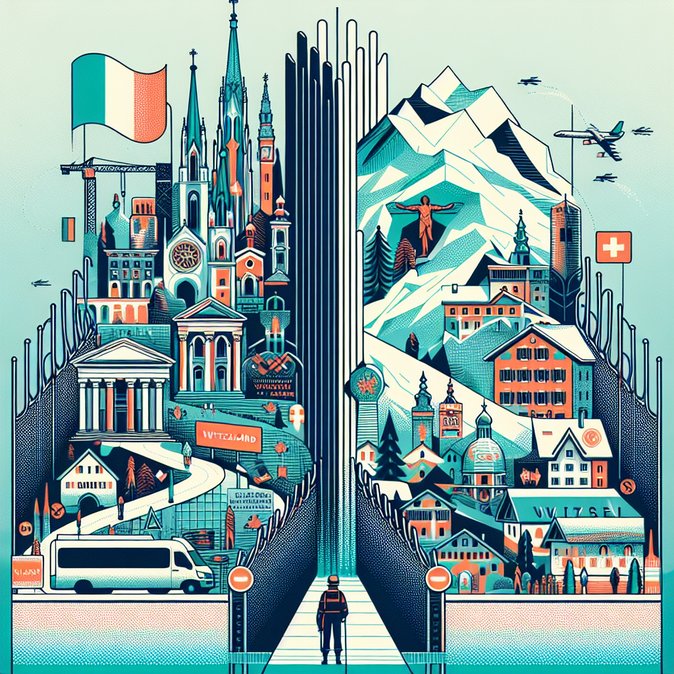
Swiss inbound agencies are rushing to reroute clients via Paris or Munich—an option that may still fail if Italy remains the trip’s “principal” destination on paper. Airlines, meanwhile, fear last-minute no-shows on intercontinental flights bound for Italy, complicating crew rosters and revenue management.
The blackout also undercuts corporate mobility programmes that rely on Italian consulates for Schengen visas covering multi-country project work. HR teams are being advised to split trips—applying for Swiss or French visas where those stays exceed time in Italy—or to defer travel until after 18 February.
Italian officials say normal service will resume on 19 February, but the incident highlights a single-point-of-failure risk in the Schengen visa chain. Swiss business lobbies have renewed calls for a harmonised contingency plan that would let neighbouring consulates issue visas when one member state goes offline.
Source: Travel and Tour World
How VisaHQ can help
VisaHQ simplifies the visa application process for individuals and businesses. Check current travel requirements, prepare the required documents and manage your application online through the VisaHQ Switzerland portal.More From Switzerland
View all
Swiss airports brace for summer chaos as EU biometric Entry/Exit System faces criticism

ETIAS fee set at €20 as EU finalises travel-authorisation rules—cost will apply when entering Switzerland