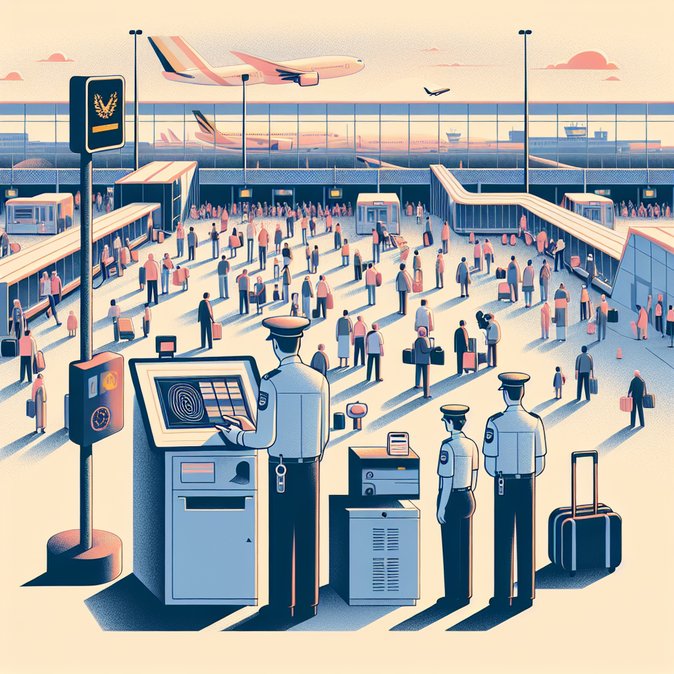
Swiss mobility managers woke up to a fresh warning from the European travel industry on 5 February when aviation bodies told the European Commission that the new biometric Entry/Exit System (EES) could bring passport control at Europe’s external-Schengen airports to a stand-still.
The alarm, reported by the Guardian, follows four months of live “soft-launch” checks in which only 35 % of third-country travellers have been registered. Even at that reduced volume, airports in Spain, France and Italy have already logged queues of up to three hours. From 10 April the 35 % cap disappears and border officials—including Switzerland’s Federal Office for Customs and Border Security (BAZG) at Zurich, Geneva and Basel—must enrol every non-EU visitor with fingerprints and a facial scan.
![Swiss airports brace for summer chaos as EU biometric Entry/Exit System faces criticism]()
Industry groups ACI Europe, Airlines for Europe and the UK’s Abta want Brussels to let member states “stand down” the system during peak periods or risk five-hour bottlenecks that could strand passengers, crew and air-cargo specialists alike. Zurich Airport estimates that a fully loaded Boeing 777 could take an extra 50–70 minutes to clear if all passengers need first-time EES registration, pushing minimum connection times for intercontinental itineraries well beyond 90 minutes.
For multinationals moving talent through Switzerland, the practical advice is two-fold: build longer layovers into travel policies and make sure employees have rehearsed the fingerprint-capture process, which differs from kiosk to kiosk. Mobility teams should also keep an eye on contingency measures—such as the temporary return to manual stamping—that the Commission has just authorised if queues threaten safety or critical connections.
In the medium term, the biometric system promises a fully digital calculation of Schengen stay-time and quicker detection of over-stayers. But until staffing, kiosks and software stabilise, Swiss HR and travel managers are being urged to treat every external-Schengen trip after Easter as “high-risk” for delay and to brief travellers accordingly.
The alarm, reported by the Guardian, follows four months of live “soft-launch” checks in which only 35 % of third-country travellers have been registered. Even at that reduced volume, airports in Spain, France and Italy have already logged queues of up to three hours. From 10 April the 35 % cap disappears and border officials—including Switzerland’s Federal Office for Customs and Border Security (BAZG) at Zurich, Geneva and Basel—must enrol every non-EU visitor with fingerprints and a facial scan.
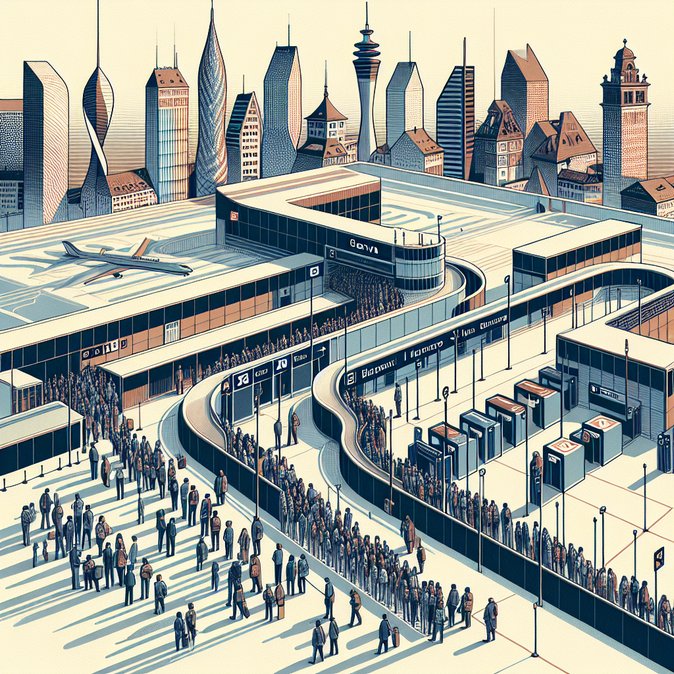
Industry groups ACI Europe, Airlines for Europe and the UK’s Abta want Brussels to let member states “stand down” the system during peak periods or risk five-hour bottlenecks that could strand passengers, crew and air-cargo specialists alike. Zurich Airport estimates that a fully loaded Boeing 777 could take an extra 50–70 minutes to clear if all passengers need first-time EES registration, pushing minimum connection times for intercontinental itineraries well beyond 90 minutes.
For multinationals moving talent through Switzerland, the practical advice is two-fold: build longer layovers into travel policies and make sure employees have rehearsed the fingerprint-capture process, which differs from kiosk to kiosk. Mobility teams should also keep an eye on contingency measures—such as the temporary return to manual stamping—that the Commission has just authorised if queues threaten safety or critical connections.
In the medium term, the biometric system promises a fully digital calculation of Schengen stay-time and quicker detection of over-stayers. But until staffing, kiosks and software stabilise, Swiss HR and travel managers are being urged to treat every external-Schengen trip after Easter as “high-risk” for delay and to brief travellers accordingly.
Source: The Guardian
How VisaHQ can help
VisaHQ simplifies the visa application process for individuals and businesses. Check current travel requirements, prepare the required documents and manage your application online through the VisaHQ Switzerland portal.More From Switzerland
View all
Italy’s week-long visa blackout threatens Swiss ski season and regional itineraries

ETIAS fee set at €20 as EU finalises travel-authorisation rules—cost will apply when entering Switzerland