With just one week left to respond to the Home Office consultation on ‘A Fairer Pathway to Settlement’, immigration solicitors at Free Movement have flagged gender-equality concerns. The blog post, published on 5 February, argues that linking faster indefinite-leave-to-remain (ILR) to high earnings, English proficiency and continuous work will disproportionately disadvantage women, who are more likely to work part-time, take maternity leave or be employed in lower-paid care roles.
Under the proposals, the standard ILR qualifying period doubles from five to ten years, but can shrink to three years for those earning over £125,140. Care-sector workers—74 percent of whom are women—could face a 15-year wait.
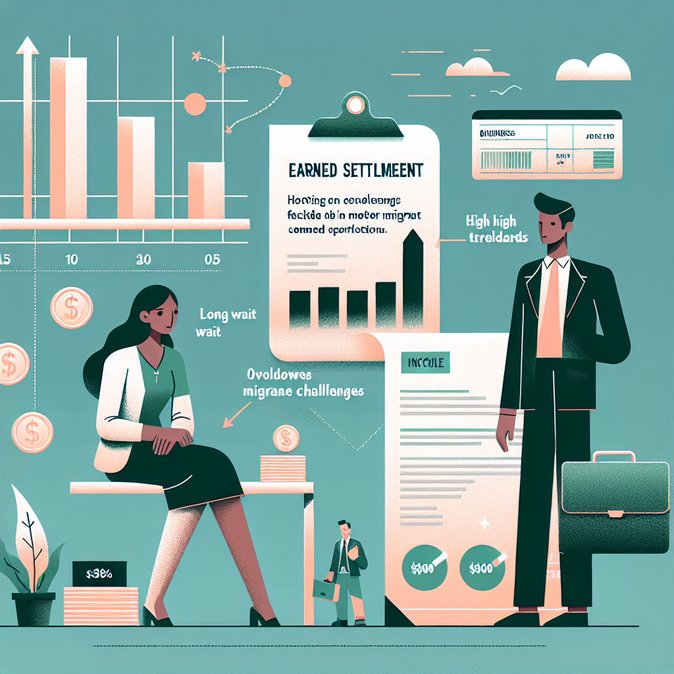
![‘Earned settlement’ plan could penalise migrant women, legal analysis warns]()
Employers in health, social care and hospitality face higher retention risk if female staff are unable to settle and thus choose other jurisdictions with clearer pathways. Talent-acquisition teams may need to budget for repeat visa extensions costing £10,000-plus per employee.
The analysis also highlights ambiguity around dependants: partners may be assessed on their own earnings, potentially forcing career breaks or childcare-focused spouses into perpetual temporary status.
Corporate D&I officers should consider adding a gender-impact statement to any organisational response before the consultation closes on 12 February. Failure to adapt the model could invite future discrimination claims and complicate sponsorship of dual-career couples. (freemovement.org.uk)
Under the proposals, the standard ILR qualifying period doubles from five to ten years, but can shrink to three years for those earning over £125,140. Care-sector workers—74 percent of whom are women—could face a 15-year wait.

Employers in health, social care and hospitality face higher retention risk if female staff are unable to settle and thus choose other jurisdictions with clearer pathways. Talent-acquisition teams may need to budget for repeat visa extensions costing £10,000-plus per employee.
The analysis also highlights ambiguity around dependants: partners may be assessed on their own earnings, potentially forcing career breaks or childcare-focused spouses into perpetual temporary status.
Corporate D&I officers should consider adding a gender-impact statement to any organisational response before the consultation closes on 12 February. Failure to adapt the model could invite future discrimination claims and complicate sponsorship of dual-career couples. (freemovement.org.uk)
Source: Free Movement