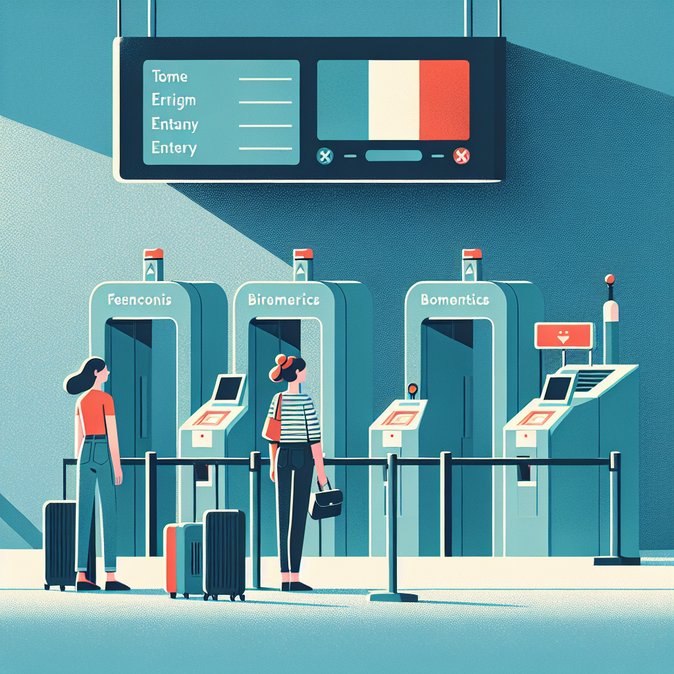
Only two days before the European Union’s Entry/Exit System (EES) was due to go live at the Channel rail and ferry terminals, the French Ministry of the Interior quietly confirmed a last-minute postponement. Officials admitted that biometric-capture software had failed final performance tests and that physical space at Eurostar’s Paris Gare du Nord and Calais ferry booths was still insufficient to handle peak passenger volumes. As a result, passports will keep being stamped manually for "several more weeks," with no revised start-up date announced. For global mobility teams this matters because EES is designed to automate calculation of the 90/180-day Schengen limit. While the system is in limbo, compliance responsibility shifts back to employers: HR departments must continue to track every day their assignees spend in the Schengen Area and instruct travellers to keep physical copies of passport stamps. A missed day-count could bar an employee from entering France for months or even trigger fines. The delay applies only to Channel crossings (Eurostar, Eurotunnel, Calais/Dover) for now; airports such as Paris-CDG and Lyon-St-Exupéry say they remain on course for the 10 April switch-on. Nevertheless, operators fear a “domino effect” if fixes are not in place quickly, because summer traffic will soon swell and any further slippage could push the entire French roll-out into the peak holiday period. Risk-mitigation steps suggested by immigration advisers include updating traveller briefings, building extra time into itineraries once EES does launch, and considering multi-entry national visas for frequent business visitors who are close to the 90-day ceiling. Technology vendors are also promoting dashboards that let mobility managers simulate Schengen stay balances and upload scanned passport stamps during the manual interlude.
Source: Jobbatical Blog