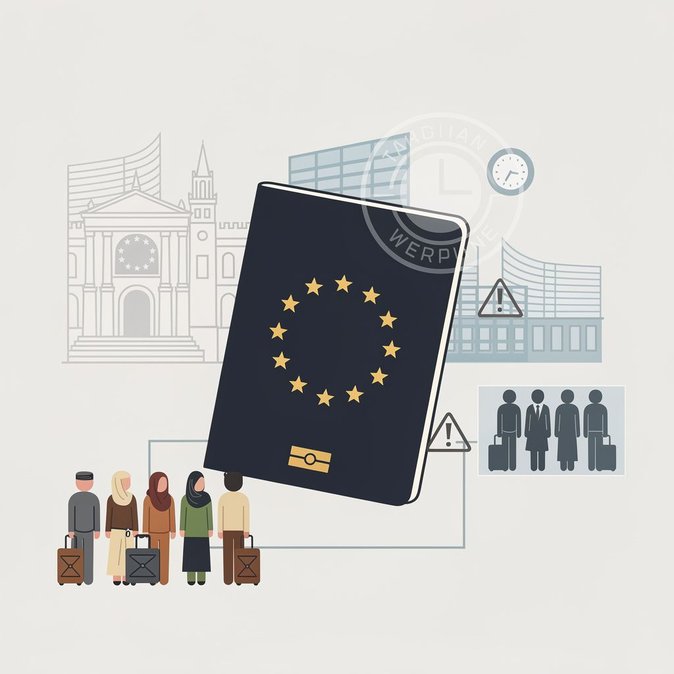
Belgium’s Foreign Ministry confirmed on 11 June that it has not yet received visa requests from the Taliban officials invited by the European Commission for technical talks in Brussels later this month. Speaking to Euronews, a spokesperson said the Afghan delegation must lodge individual Schengen C-visa applications at a Belgian embassy or external visa centre before any processing can begin, warning that standard security vetting can take “several weeks, not days.” The impasse throws into doubt a controversial meeting intended to discuss the repatriation of Afghan nationals convicted in EU member states and broader migration cooperation. More than 30 MEPs have urged Belgium to deny the visas outright, arguing that hosting Taliban representatives would legitimise an unrecognised regime accused of human-rights abuses. The Foreign Ministry counters that blocking EU-institution-invited guests could undermine Brussels’ status as Europe’s diplomatic capital. Under Schengen rules Belgium is responsible for issuing short-stay visas for visitors to EU bodies headquartered on its soil. The Taliban’s failure to submit paperwork suggests either internal disagreements in Kabul or strategic delay to extract concessions, analysts say. If applications arrive this week, authorities will have to decide whether to fast-track them or postpone the meeting, as background checks involve multiple intelligence services. For global mobility teams the episode illustrates how politically sensitive delegations can disrupt regular visa pipelines. Consular resources may be diverted to high-profile cases, potentially slowing routine processing for business travellers and expatriate families. Companies with operations in Afghanistan or with Afghan nationals on assignment in Belgium should monitor MFA notices and prepare for heightened scrutiny at Belgian consulates. Should the visit proceed, expect tight movement controls, including possible travel-area restrictions within the Schengen Zone and limited access badges to EU buildings. The situation underscores that geopolitics can ripple into day-to-day mobility management even in a rules-based visa environment.
Source: Euronews