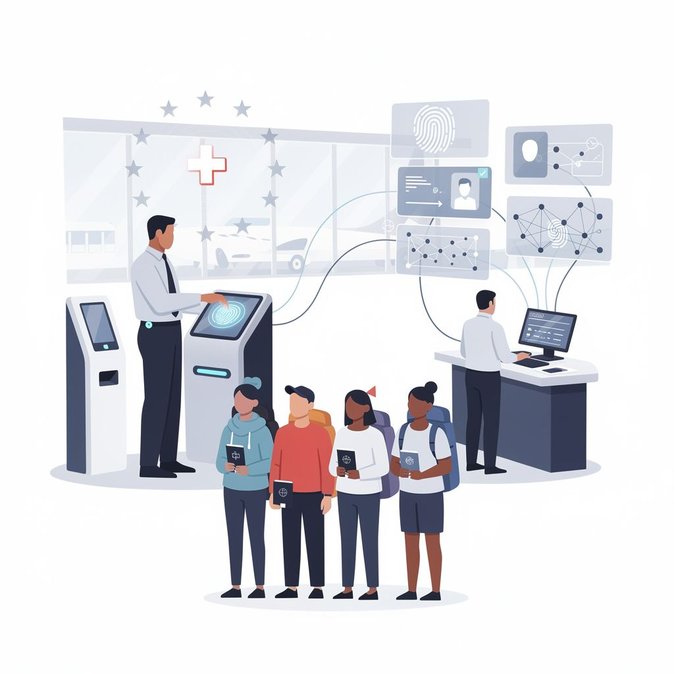
A sweeping overhaul of Europe’s asylum architecture entered into force on 12 June 2026, and Switzerland – as an associated Schengen and Dublin state – adopted many of its core elements the same day. The Pact introduces mandatory biometric screening at external borders, a streamlined Entry/Exit System, harmonised reception standards, and – crucial for corporate mobility – clearer rules on which state is responsible for processing asylum claims. To keep pace, the Federal Council has activated the Ordinance on Interoperability between Schengen/Dublin Information Systems (IOSDV) and amended the Foreign Nationals and Integration Ordinance. For Swiss border posts and airports, the immediate change is technical: databases such as Eurodac, the Visa Information System (VIS) and the new Screening System must now ‘talk’ to each other in real time.
Travellers, corporate mobility teams and relocation providers who need hands-on support with the new documentation requirements can turn to VisaHQ’s Switzerland portal (https://www.visahq.com/switzerland/) for up-to-date visa guidance, passport validity checks and online appointment booking. VisaHQ monitors Schengen regulatory changes in real time and offers tailored assistance to ensure passengers arrive at the border with the correct biometric enrolment and paperwork.
Border guards will capture fingerprints and facial images from third-country entrants who do not hold a Schengen residence permit. The State Secretariat for Migration (SEM) expects processing times per traveller to increase by up to 30 seconds; Zurich Airport has added extra e-gates and staff for the summer peak. Mobility managers should brief travellers that first-time enrolment may add delays and that passport validity rules (minimum three months beyond departure) will be strictly enforced. Carriers remain responsible for pre-departure document checks and face fines of up to CHF 4 000 per improperly documented passenger. Longer-term, the Pact may reduce so-called ‘secondary movements’ within Schengen, giving employers greater certainty about where an employee’s asylum or protection claim will be handled. However, data-protection officers must review internal processes: personal data collected during screening can now be stored for five years and shared across EU/Schengen law-enforcement agencies under defined safeguards.
Travellers, corporate mobility teams and relocation providers who need hands-on support with the new documentation requirements can turn to VisaHQ’s Switzerland portal (https://www.visahq.com/switzerland/) for up-to-date visa guidance, passport validity checks and online appointment booking. VisaHQ monitors Schengen regulatory changes in real time and offers tailored assistance to ensure passengers arrive at the border with the correct biometric enrolment and paperwork.
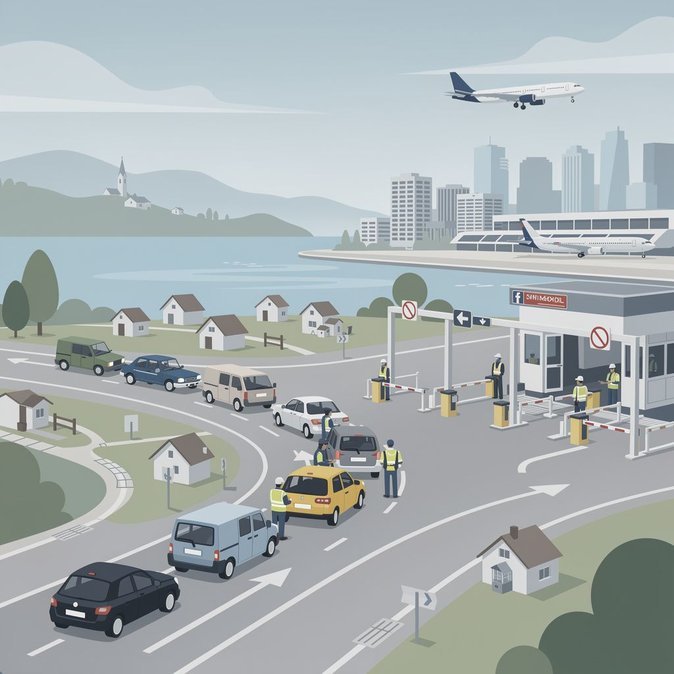
Border guards will capture fingerprints and facial images from third-country entrants who do not hold a Schengen residence permit. The State Secretariat for Migration (SEM) expects processing times per traveller to increase by up to 30 seconds; Zurich Airport has added extra e-gates and staff for the summer peak. Mobility managers should brief travellers that first-time enrolment may add delays and that passport validity rules (minimum three months beyond departure) will be strictly enforced. Carriers remain responsible for pre-departure document checks and face fines of up to CHF 4 000 per improperly documented passenger. Longer-term, the Pact may reduce so-called ‘secondary movements’ within Schengen, giving employers greater certainty about where an employee’s asylum or protection claim will be handled. However, data-protection officers must review internal processes: personal data collected during screening can now be stored for five years and shared across EU/Schengen law-enforcement agencies under defined safeguards.