EU Migration Pact Comes into Force: Finland Overhauls Asylum and Return Procedures
EU Migration and Asylum Pact takes effect – major operational changes at Finland’s borders start today
Migri issues detailed guidance as stricter asylum, removal and reception rules enter into force
Latest News

EU Migration Pact Takes Effect: Finland Overhauls Asylum, Return and Reception Rules
Finland implemented the EU’s new Migration and Asylum Pact on 12 June 2026, triggering sweeping changes to asylum screening, reception-centre rules and deportation procedures. Border screening and fast-track decisions are now mandatory, reception benefits are time-limited, and police gain broader powers to issue EU-wide entry bans. Business travellers and employers will face stricter documentation checks and tighter over-stay monitoring. The overhaul matters because it reshapes how—and how fast—third-country nationals can enter, stay and work in Finland.

Defence Minister Seeks to Calm Fears Over Russian Troop Build-Up Near Finnish Border
On 12 June 2026 Defence Minister Antti Häkkänen said Finland is closely monitoring—but not alarmed by—Russia’s new garrison near the border. Although officials see no immediate danger, the Border Guard may step up internal checks and mobility planners should prepare for possible travel delays and extra vetting of Russian nationals.

EU Institutions Strike Deal on Common Return Regulation, Putting Pressure on Finland’s Deportation System
EU legislators agreed on 2 June to create a binding Common Return Regulation. Finland will have to issue removal orders faster, share case data with Brussels and may use EU-funded ‘return hubs’ abroad. The move will tighten corporate compliance deadlines and require changes to the Finnish Aliens Act.
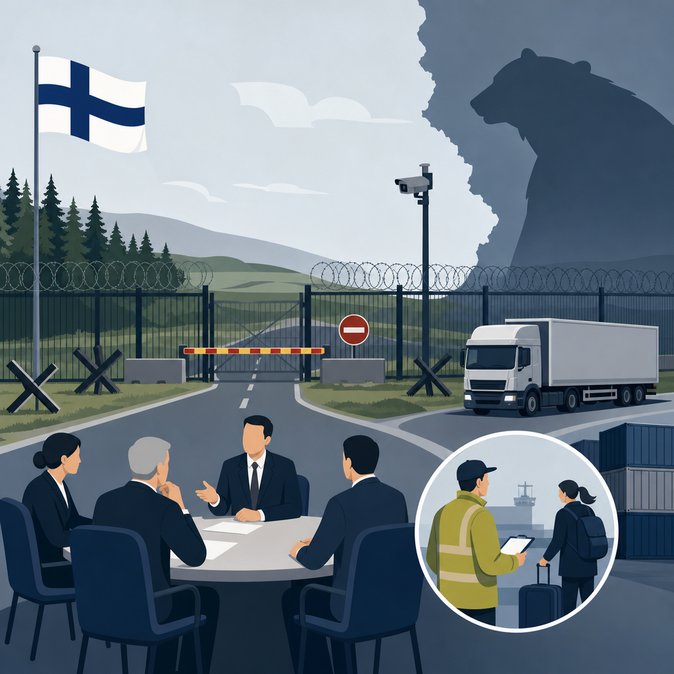
Parliamentary Report Warns of Prolonged Russian Threat, Recommends Keeping Eastern Border Controls Tight
A parliamentary working group told the government on 2 June that Russia will remain an ‘unpredictable, long-term threat’, and advised keeping Finland’s eastern land border tightly controlled. The findings mean road crossings with Russia are unlikely to reopen soon, affecting logistics and staff rotation for multinational firms.