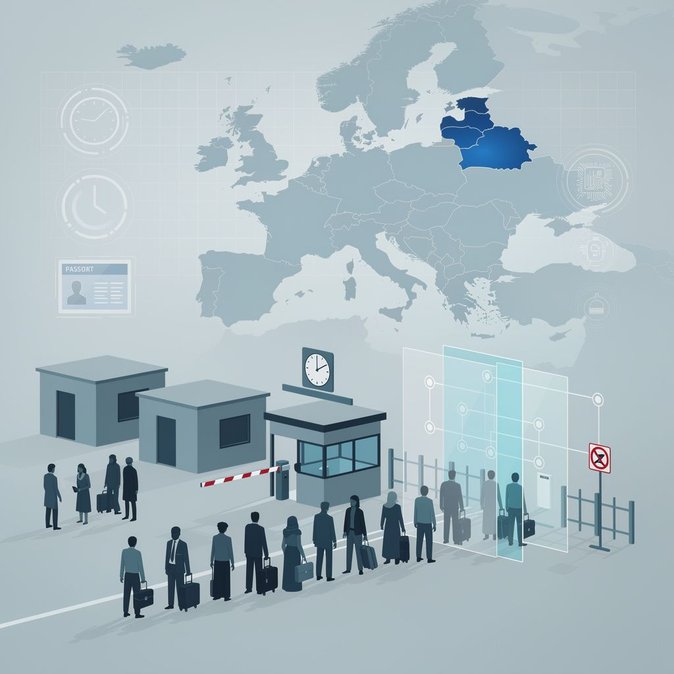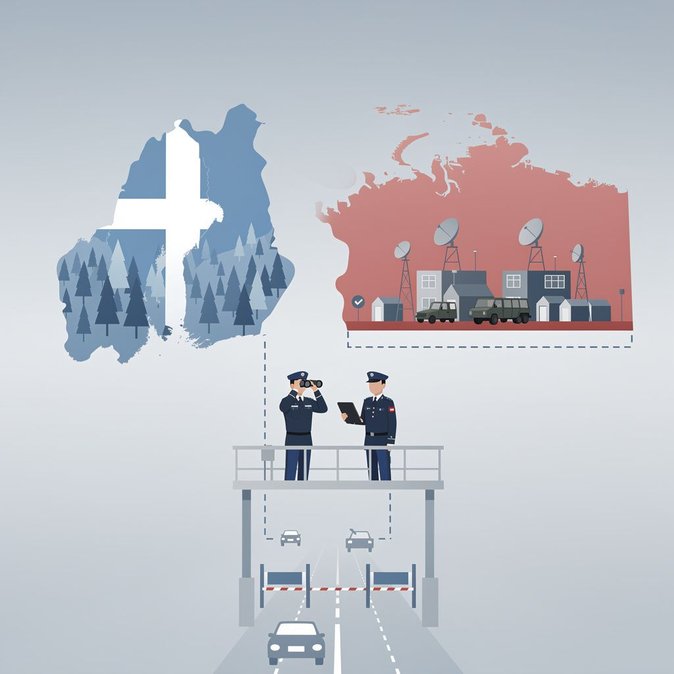
Finnish media reports showing rapid construction of a Russian garrison in Petrozavodsk, just 300 kilometres from Helsinki, have stirred public debate about border security and potential travel disruptions. Speaking to Yle News on 12 June 2026, Defence Minister Antti Häkkänen acknowledged that Moscow is “creating new military units and multiplying troop numbers” but insisted that “Finns can be completely at ease.” Satellite imagery and videos published by Russian outlets suggest the base could host an infantry brigade of up to 6,000 soldiers, with support units pushing the total to 15,000. The build-up follows Finland’s NATO accession and comes amid continued closure of Finland’s eastern road crossings to most passenger traffic—a measure first imposed in 2023 to counter what Helsinki calls “instrumentalised migration.” While the Defence Ministry says no immediate threat exists, the Border Guard has extended temporary internal checks at airports and seaports, warning that spot ID controls on domestic legs of international itineraries may increase during the summer holiday peak. Travel-risk consultancies advise multinational companies to review evacuation and remote-working protocols for staff posted in eastern Finland and to factor possible detours into logistics plans. The heightened alert also has immigration implications: Migri reports a rise in Russian citizens applying for temporary protection or residence on humanitarian grounds, cases that now fall under the EU’s new accelerated procedures. Employers sponsoring Russian talent should be ready for additional security vetting and longer processing times. For now, the message from Helsinki is business as usual, but mobility managers are urged to monitor advisories as the security picture evolves.
Source: Yle News