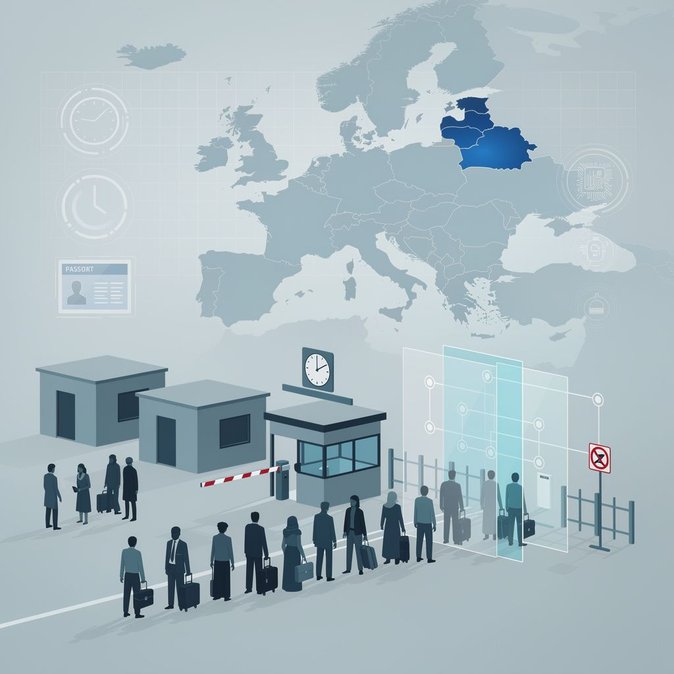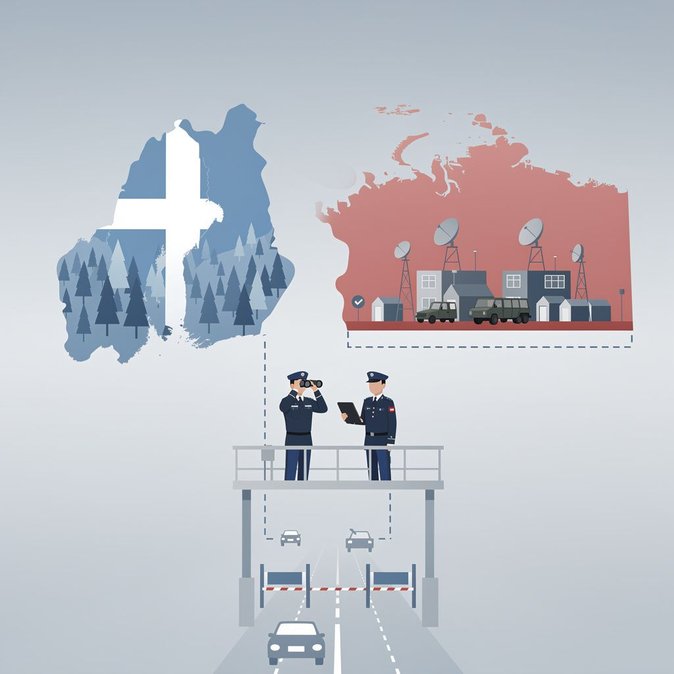
Finland woke up on 12 June 2026 to the largest single reform of its migration and asylum machinery since it joined the Schengen Area. Because the European Union’s long-negotiated Pact on Migration and Asylum formally entered into force at midnight, Helsinki was required to apply ten new regulations that touch every step of the asylum chain—from the moment an application is made to the point a rejected applicant is removed. At the border, the most visible change is that screening and so-called “border procedures” are now mandatory. Border Guards in Vaalimaa, Helsinki Airport and other external crossing points must register biometric data, run security checks and decide within hours whether a claim is clearly unfounded. If it is, the case will be channelled into an accelerated track that must be completed—appeal included—within 12 weeks. Interior-ministry officials argue the tighter timelines will deter “forum shopping” and break smuggling business models; NGOs warn that fair-trial safeguards could suffer. Inside the country, changes to the Reception Act limit services and cash allowances for applicants who break centre rules or fail to co-operate. Asylum-seekers will have to identify themselves up to four times a month, attend a mandatory “Finnish society” course and may be geographically restricted if deemed a flight risk. Reception benefits will end no later than three months after a person receives a residence permit, forcing municipalities to integrate newcomers more quickly—a move expected to shift thousands of Ukrainian temporary-protection beneficiaries into local housing by the autumn. Removal powers have also been sharpened. Appeals against most non-criminal deportation orders no longer carry automatic suspensive effect, meaning the police can enforce an order 30 days after notification unless a court explicitly blocks it. In a first for Finland, police can impose a Schengen-wide pre-emptive entry ban on people who have never held a Finnish permit if intelligence agencies judge them a security concern. For employers and mobility managers, the new regime means faster initial screening of transferees at the border, but also a higher bar for documentation and proof of purpose when sending staff into Finland. Companies that rely on seasonal or project-based labour must build the shorter reception timelines into onboarding and housing plans. Corporate travel teams should also note that the new Entry/Exit System—which records every third-country national’s time in Schengen—will feed data directly into the asylum and return databases, increasing penalties for over-stays. Compliance teams are therefore urged to audit pending assignments and ensure workers’ legal status remains solid once the “return hubs” envisaged by the pact start operating in the Nordics.