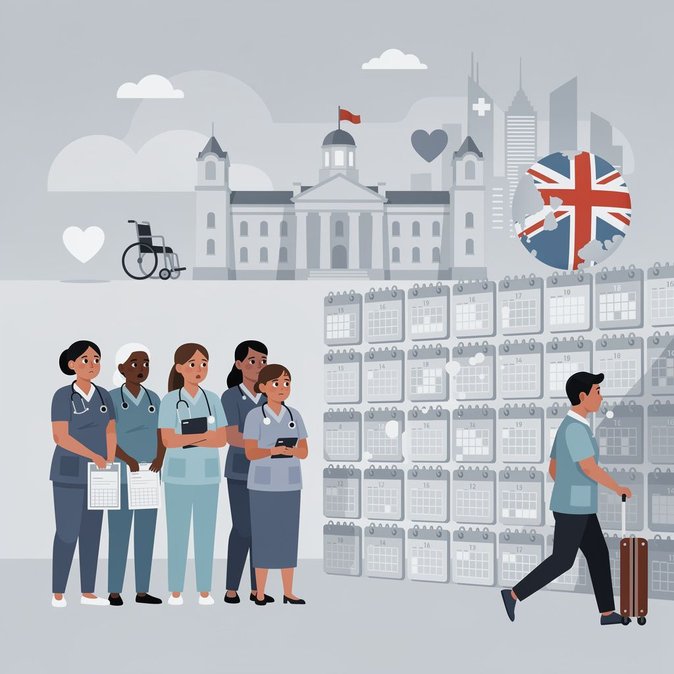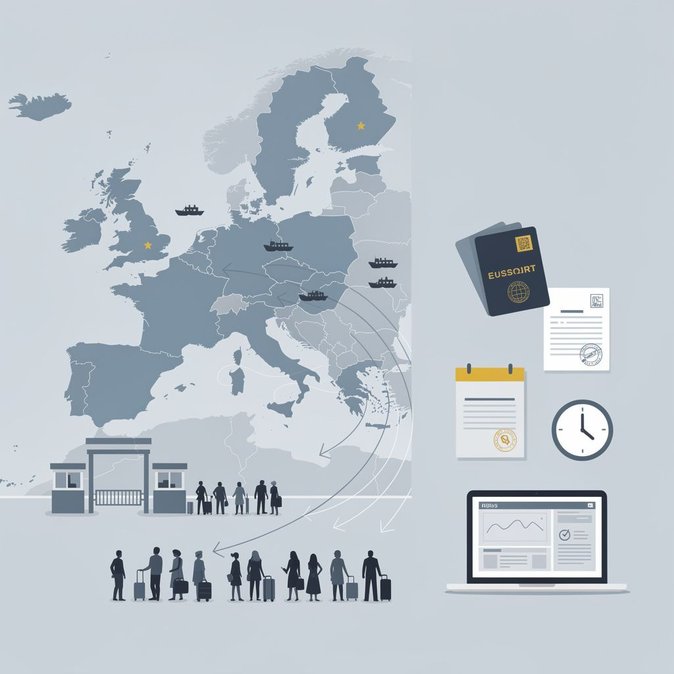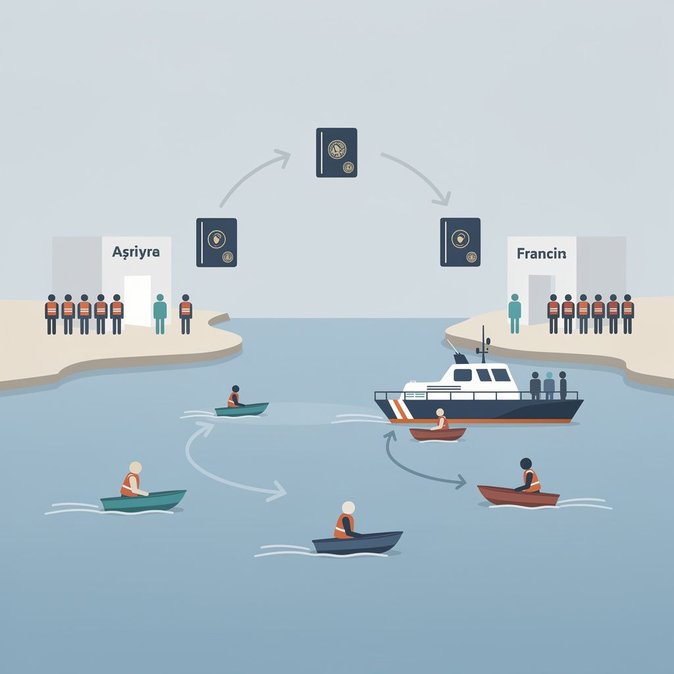
A detailed analysis published on 12 June examines the UK–France Returns Agreement—signed in August 2025 but now entering full operational phase—which allows the UK to return small-boat arrivals to France while admitting an equivalent number of recognised refugees through a controlled humanitarian corridor. The deal also authorises French patrol boats to intercept vessels in their own coastal waters for the first time. For mobility practitioners, the treaty represents a double-edged sword. On the one hand, it could reduce the political volatility that has seen frequent changes to UK asylum policy, stabilising the environment for sponsoring employers. On the other, tougher maritime enforcement may prompt smugglers to open alternative routes, potentially increasing ad-hoc migration through airports and freight terminals that corporate supply chains rely on. The agreement dovetails with shorter, 18-month work permits for new asylum applicants introduced in December 2025, down from five years previously. Businesses employing refugees should review workforce-planning horizons and consider earlier applications for skilled-worker visas or settlement to retain talent. The treaty also sits alongside a suite of international co-operation measures: a new intelligence cell in Dunkirk, expanded data-sharing with the Western Balkans, and a G7 Anti-Smuggling Action Plan spearheaded by the UK. Global mobility leaders should track how these initiatives influence security-check processing times, particularly for staff with recent French or Balkan travel stamps. Finally, immigration advisers say digital-nomad and investor categories could see knock-on effects if the Home Office reallocates resources from economic to asylum caseloads during the treaty’s bedding-in period. Sponsors should budget for longer decision times and build flexibility into assignment start dates.
Source: HimalayanCrest