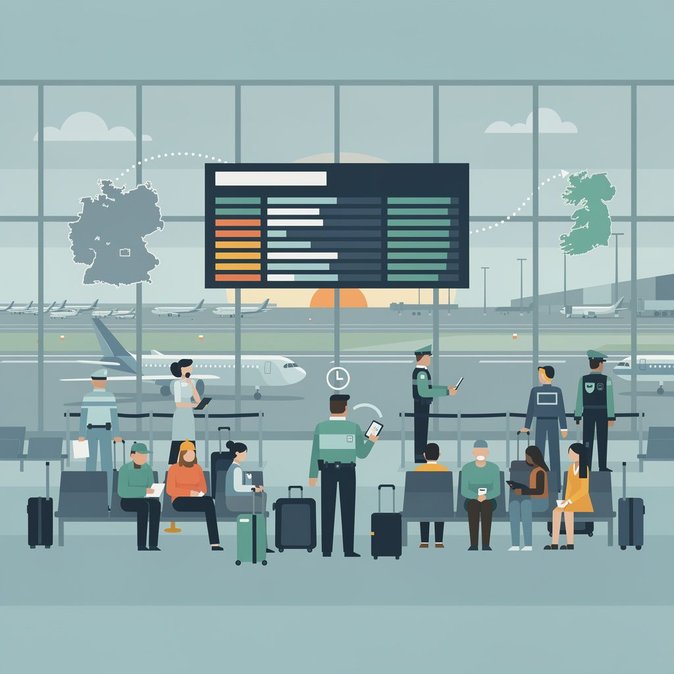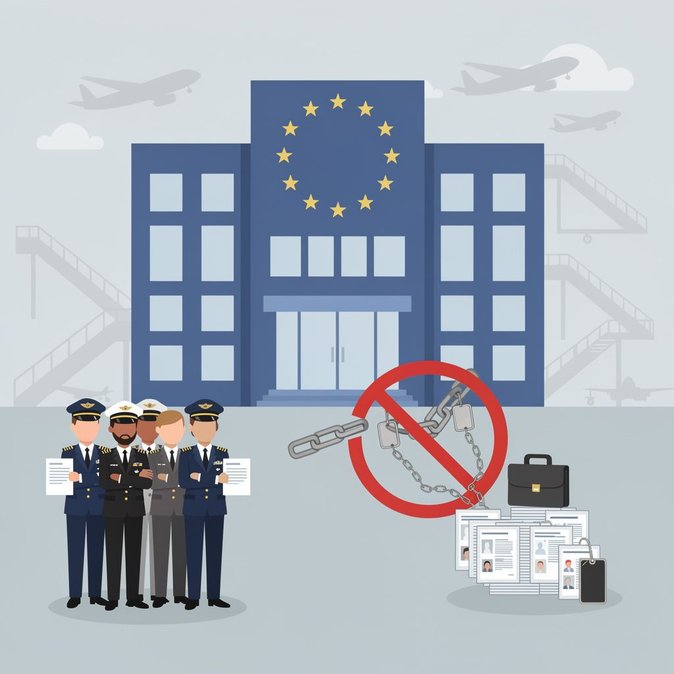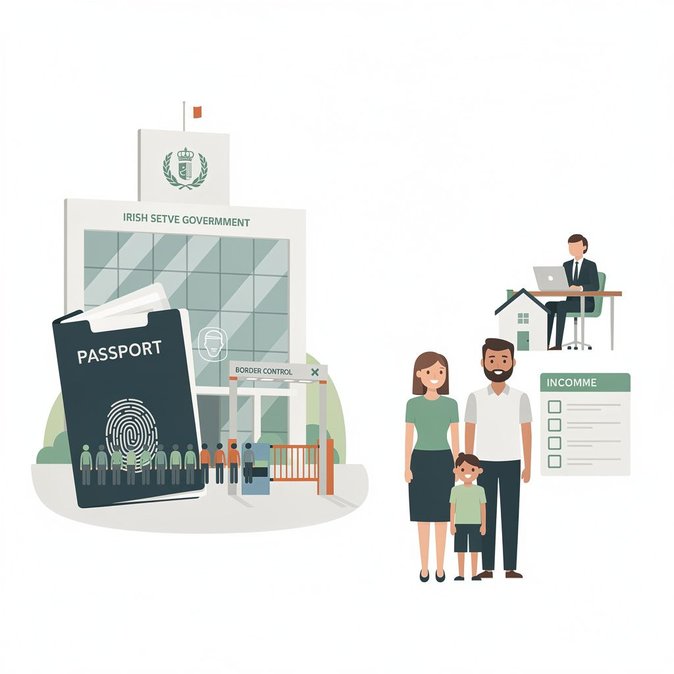
Ireland’s long-anticipated International Protection Act 2026 formally took effect at midnight on 12 June, ushering in the State’s most sweeping reform of asylum law since the 1990s. The legislation aligns domestic rules with the new EU Migration and Asylum Pact and introduces a front-loaded screening model at ports, airports and land borders. All applicants will now undergo enhanced biometric and security checks on arrival, with records synchronised automatically to EU databases such as Eurodac and the Schengen Information System. A headline feature is the creation of a fast-track Border Procedure for applicants from countries with an historic protection-grant rate below 20 per cent, or for those who have destroyed identity documents. Decisions and appeals for these cases must now be concluded within 12 weeks, a move government estimates say could cut accommodation costs by €140 million per year and reduce the backlog—currently more than 20,000 files—by a third within 18 months. Unsuccessful applicants will be channelled into an expedited returns process overseen by the newly established Tribunal for Asylum and Returns Appeals (TARA), which replaces the IPAT. For business, the Act introduces tougher but clearer family-reunification thresholds. General Employment Permit holders and other Category C sponsors must show proof of adequate private accommodation, while financial thresholds for Irish-citizen sponsors have almost doubled to €75,000 over three years. Multinational employers will need to verify that sponsored staff can meet these criteria before offering relocation packages that include dependants. Immigration lawyers advise corporates to factor the stricter rules into assignment timelines, particularly for roles starting this summer. Justice, Home Affairs and Migration Minister Jim O’Callaghan hailed the Act as “a watershed moment that restores public confidence in a rules-based immigration system.” NGOs broadly welcomed faster decision-making but warned that the three-month timeline must not compromise fair-procedure guarantees. The European Commission described Ireland’s implementation as “model-forming” for smaller member states grappling with asylum surges. Practical take-away: companies relocating non-EEA talent to Ireland should revise onboarding checklists—especially where employees hope to reunite with family—ensure accommodation evidence is ready at visa-filing stage, and brief travellers about possible biometric capture at Dublin Airport and ferry ports.
Source: LMFM