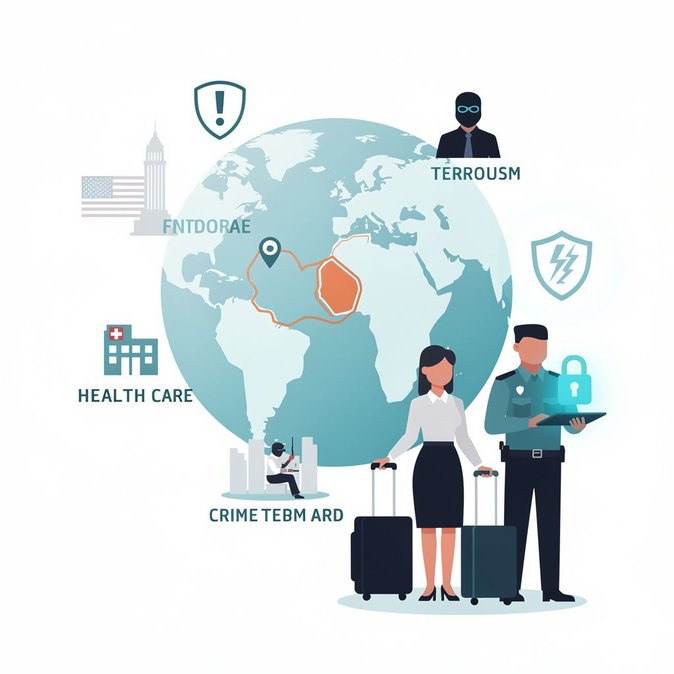
Late Thursday the U.S. Department of State refreshed its country page for Nigeria, re-affirming a Level 3 "Reconsider Travel" advisory but adding sharper language on terrorism, kidnapping and unreliable medical care. The update arrives just as summer business-travel season begins and as energy-sector executives plan site visits ahead of fall contracting rounds. While the overall risk level remains unchanged, analysts note that advisory tweaks often trigger automatic reviews by corporate security vendors and travel-insurance underwriters. Some insurers may now exclude inland road travel north of Abuja or raise premiums for staff based in Port Harcourt and Lagos. Companies with U.S. personnel scheduled for long-term projects in the Niger Delta should revisit evacuation plans, verify local clinic capabilities and ensure that travelers carry malaria prophylaxis and critical medications. Dual nationals are singled out as prime kidnapping targets; HR should brief employees on digital-footprint minimization and secure-driver protocols. The updated advisory also reminds visitors that drones are banned without Nigerian Civil Aviation Authority permission—a point of particular relevance to engineering firms using unmanned aircraft for pipeline inspection. Global mobility teams must update risk-assessment portals, push the advisory through traveler-tracking apps, and confirm that emergency assistance vendors can reach remote worksites during potential unrest. Failure to document compliance with U.S. government guidance could expose employers to negligence claims in the event of an incident.
Source: U.S. Department of State