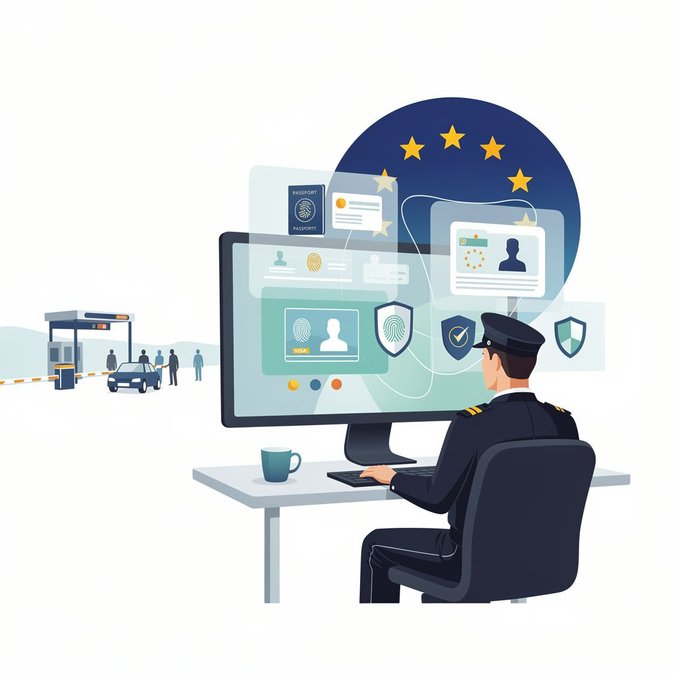
The European Union switched on two major interoperability tools on 12 June 2026, allowing border and immigration officers to query multiple databases—visas, asylum, criminal records—through a single European Search Portal. While travellers at Dublin Airport noticed no new forms, the behind-the-scenes change streamlines risk-screening and lays groundwork for the upcoming Entry-Exit System and ETIAS. Irish authorities confirmed that their new Border Management Unit successfully connected to the portal at 02:00 local time, reducing average query times from 45 seconds to under five. The Garda National Immigration Bureau expects faster secondary-inspection decisions, benefitting business travellers on tight connections. Data-privacy campaigners stress the need for robust oversight of bulk searches and profiling. The Department of Justice says all Irish operators have completed EU-mandated fundamental-rights training and that audit logs are retained for independent inspection by the Data Protection Commission. For corporates, the immediate impact is subtler: fewer manual passport scans should ease queues during summer peaks, and improved fraud detection may reduce the number of travellers denied boarding at departure airports. Travel managers should still remind employees that separate ETIAS authorisations will be required for non-EU nationals from mid-2027. Longer term, the interoperable architecture could support automated visa validation at eGates, something the DAA plans to pilot next year—a development that would further smooth frequent-flyer mobility between Ireland and the rest of the EU.
Source: Euro Weekly News