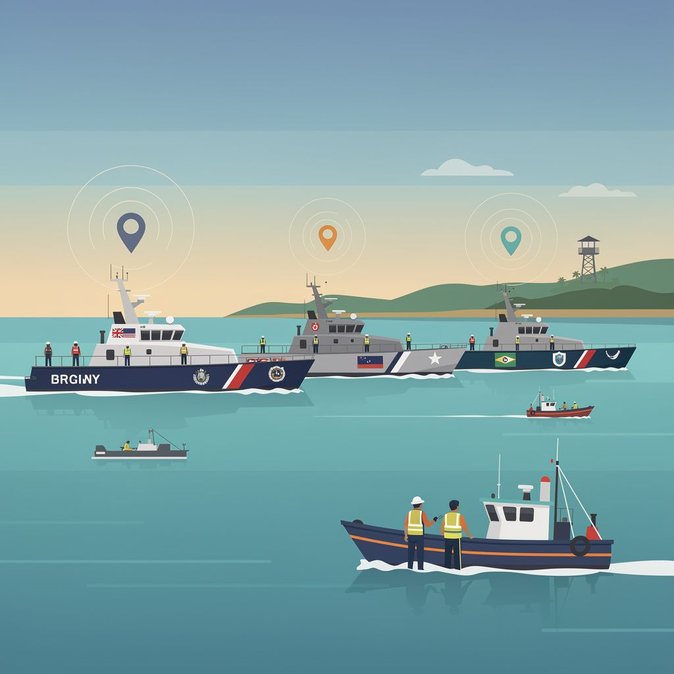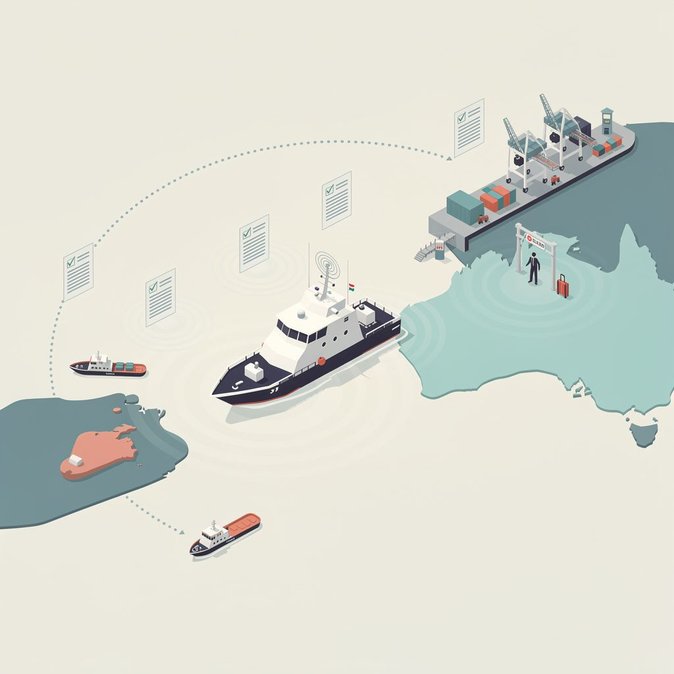
The Australian Border Force (ABF) and Sri Lanka Coast Guard have launched the third instalment of their flagship maritime-security initiative, Disi Rela—Sinhalese for “keeping a watchful eye”. The 2026 edition widens patrols from Sri Lanka’s west and south coasts to the previously under-resourced Eastern Province, a hotspot for people-smuggling launches bound for Australia. Under the program Australia is donating five additional all-terrain vehicles, bringing the three-year tally to 24 surveillance drones, three patrol boats and multiple training packages. Rear Admiral Brett Sonter, who heads Australia’s Maritime Border Command, said the partnership “demonstrates our shared resolve to stop illicit maritime movements before they threaten lives at sea or test Australia’s borders”. For risk managers at companies rotating staff through Colombo or using seaborne logistics in the Indian Ocean, Disi Rela means more joint boarding operations and document checks across commercial harbours. Crew lists, shore-leave passes and cargo manifests will attract closer scrutiny, particularly for vessels flagged in people-smuggling source countries such as Myanmar or Pakistan. The initiative also boosts community-outreach campaigns in fishing villages, encouraging locals to phone a 24/7 hotline (106) if they spot suspicious craft. Previous phases have already fed intelligence that led to interceptions north-west of Christmas Island. Employers operating fly-in fly-out (FIFO) rotations between Western Australia and Sri Lanka’s offshore oil sector should update travel briefings to reflect the tighter exit controls. Strategically, the program dovetails with Australia’s broader effort to push migration deterrence upstream. While Canberra’s on-shore asylum caseload has stabilised since COVID-19, analysts warn that economic pressures in South Asia could renew boat departures. Sustained capacity-building for Sri Lanka’s coast guard is therefore central to Australia’s long-term border-security—and by extension to the predictability of mobility corridors between the two nations.
Source: Businesscafe (LK)