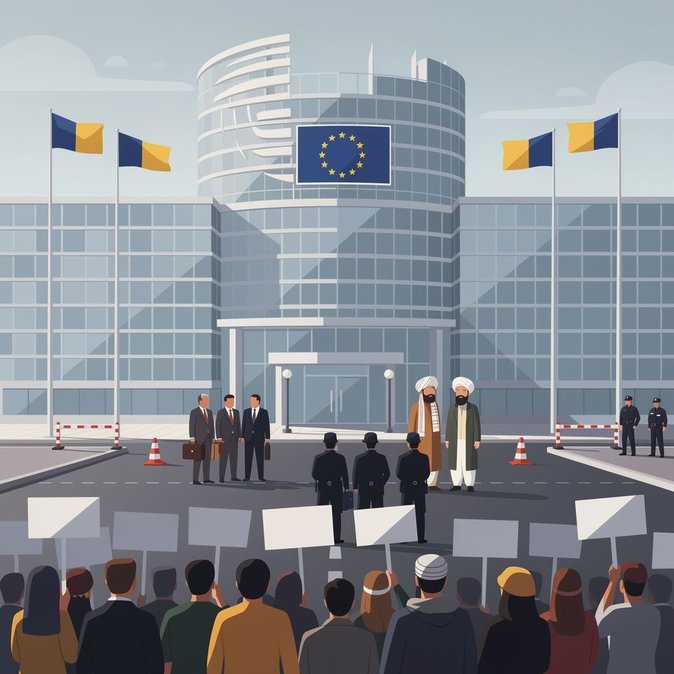
The European Union will, for the first time, host a Taliban delegation in Brussels later this month for discussions focused on returning Afghans whose asylum claims were rejected—an initiative that has stirred intense criticism in Belgium. Radio Free Europe/Radio Liberty confirmed on 14 June that the meeting is slated for 22–23 June and will involve officials from the European Commission, the European External Action Service and several member states. Belgian Green MEP Saskia Bricmont, one of the chief opponents, argued that allowing Taliban representatives onto EU soil “sends a deeply troubling signal” given ongoing human-rights abuses in Afghanistan. Civil-society groups plan protests outside the EU quarter, and the Belgian interior ministry is reviewing security protocols around the Schuman district. EU officials insist the talks are strictly technical and do not amount to recognition of the Taliban regime. The bloc is seeking ways to resume forced returns of individuals with final removal orders, something suspended by most member states since the Taliban takeover in 2021. Belgium itself halted deportations in 2023 but supports “exploratory engagement” to secure travel documents and flight corridors. For corporate mobility managers, the prospect of renewed removals raises questions about Afghan employees whose asylum status is uncertain. Companies should verify that any Afghan nationals on staff hold valid work and residence permits and be prepared to support humanitarian or skills-based regularisation pathways if the policy climate hardens. Travel risk teams should also monitor demonstration notices around the EU institutions during the meeting dates, as roadblocks and public-transport diversions in Brussels’ European quarter could disrupt commuting and airport transfers for business travellers.
Source: Radio Free Europe/Radio Liberty
How VisaHQ can help
VisaHQ simplifies the visa application process for individuals and businesses. Check current travel requirements, prepare the required documents and manage your application online through the VisaHQ Belgium portal.More From Belgium
View all
EU to host Taliban delegation in Brussels on 17 June; Belgium reviews visa and security protocols
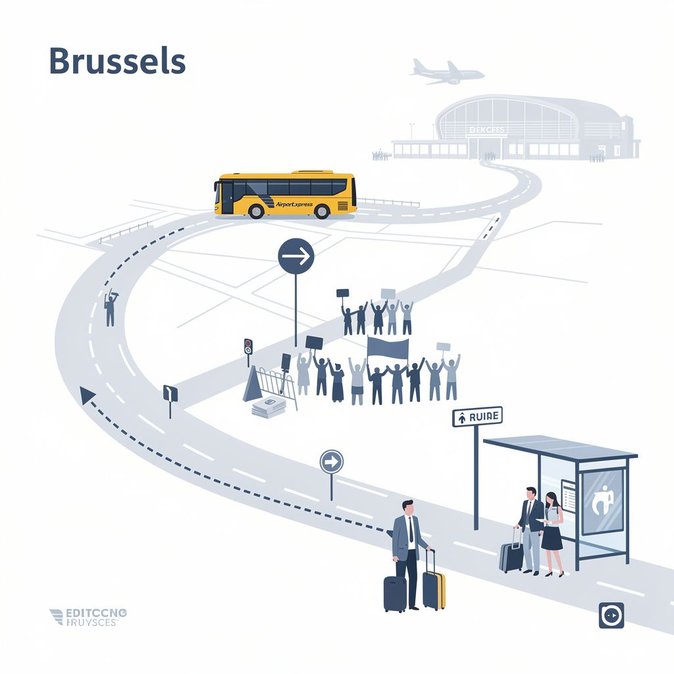
De Lijn Diverts Airport Express Buses Today Amid Demonstration Near Brussels-North