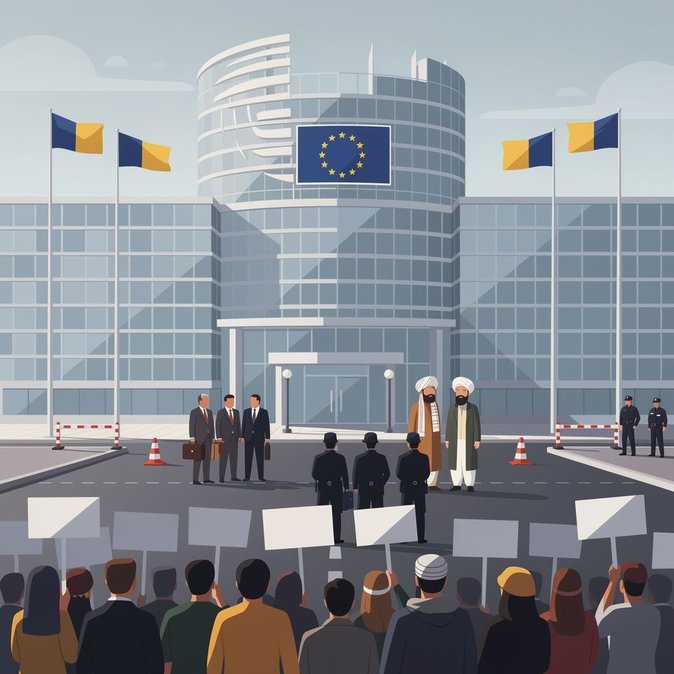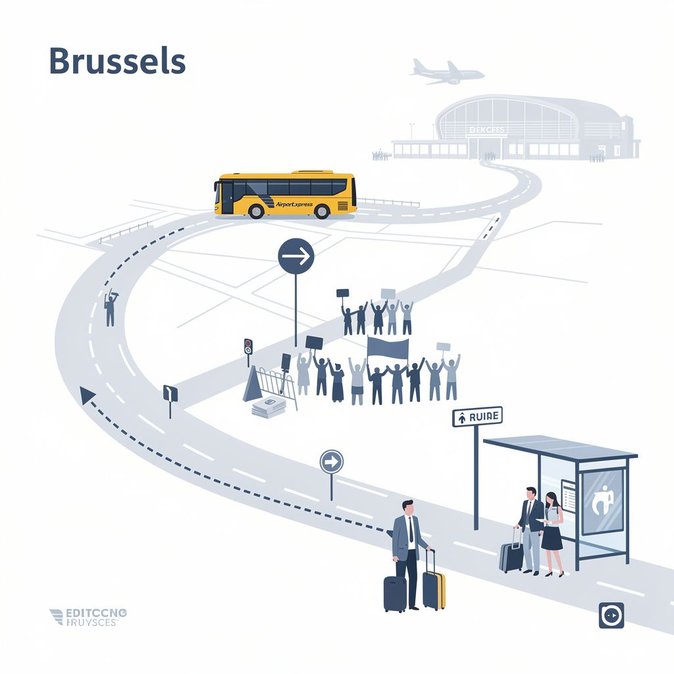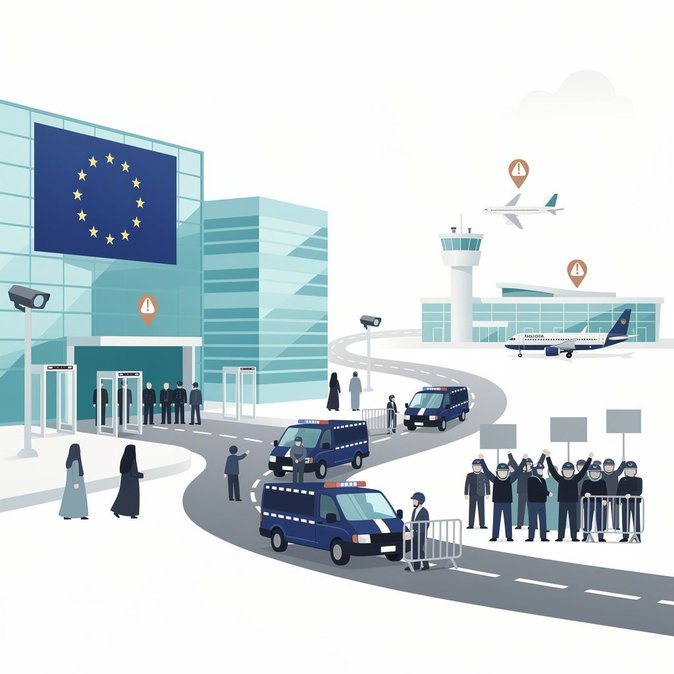
Radio Free Europe/Radio Liberty reported on 14 June 2026 that the European External Action Service (EEAS) has invited Taliban representatives to Brussels for technical talks on humanitarian corridors and migration. While the meeting is scheduled for 17 June, Belgian authorities have already activated an inter-agency task-force to manage border security, visa exemptions for delegation members and possible protest activity near the Schuman quarter. According to sources at the Interior Ministry, the visitors will travel on Laissez-Passer documents issued under Article 3 of the EU LPD Regulation, bypassing standard Schengen visa requirements. The Belgian Immigration Office confirmed that advance biometric pre-enrolment under the new Entry/Exit System (EES) is mandatory, marking the first time the system is used for a de-facto non-recognised government. Diplomatic NGOs have criticised the invitation, citing human-rights abuses in Afghanistan, and several advocacy groups have announced demonstrations on 16 and 17 June. Corporate security advisers are warning multinationals with offices around Rue de la Loi and Place Schuman to implement work-from-home arrangements or staggered shifts to reduce exposure to crowd-control measures. For mobility managers, the most immediate impact is heightened screening at Brussels Airport’s diplomatic channel and potential traffic cordons near the EU institutions. Carriers bringing delegation members must file Advance Passenger Information (API) lists 48 hours ahead, as required by Belgium’s reinforced aviation security decree of April 2026.