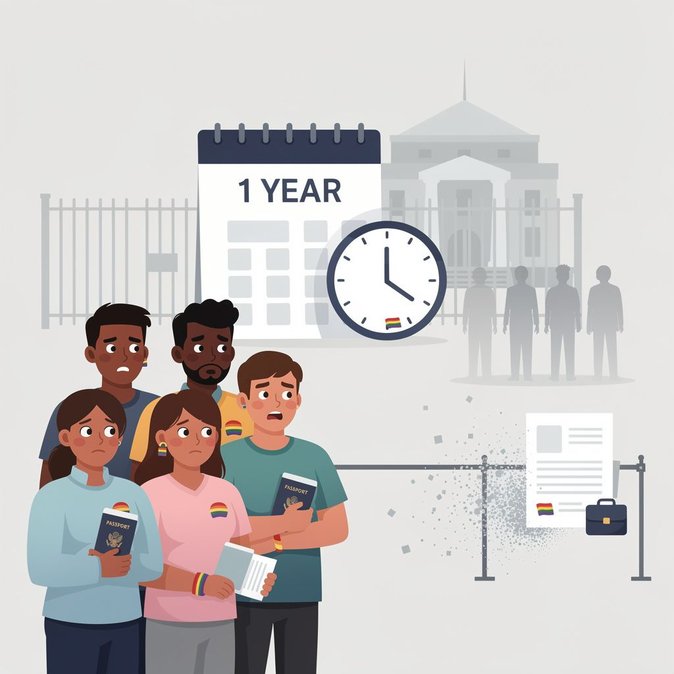
Canada’s Strengthening Immigration System and Borders Act (Bill C-12) officially took effect on 13 June and is already drawing sharp criticism from refugee advocates. The legislation bars most asylum seekers who file a claim more than one year after their first entry to Canada, a change that Ottawa argues will deter "abusive" claims lodged merely to extend temporary status. Rainbow Railroad and other LGBTQ-focused charities say the rule disproportionately harms queer migrants who often need time to gather evidence or come out safely before seeking protection. One former Middle-Eastern student, interviewed anonymously by The Canadian Press, discovered that photos of him attending Canadian Pride events had leaked back home; yet because he first arrived in 2022, his 2026 claim is now deemed ineligible and shifted to a paper-only pre-removal risk assessment (PRRA) process with historically low acceptance rates. Immigration Minister Lena Diab defended the law before a Senate committee, stating that clear-cut protection cases will still receive "an immediate yes." Internal government data show about 30,000 files may be excluded by the one-year bar. Dozens of constitutional challenges have already been filed in Federal Court, alleging violations of the Charter’s equality and due-process guarantees. For employers and universities that host international students, the new cut-off alters risk calculations: graduates who delay refugee claims could lose work authorization, health coverage and, ultimately, legal status. Mobility teams should flag the stricter timeline in orientation materials and ensure vulnerable employees or students have access to timely legal advice. While Ottawa insists the reform preserves the integrity of Canada’s asylum system, refugee groups warn it may force at-risk individuals underground or back to countries where they face imprisonment. The debate sets the stage for a pivotal court ruling that could reshape the balance between border control and humanitarian obligations.
Source: CityNews / The Canadian Press