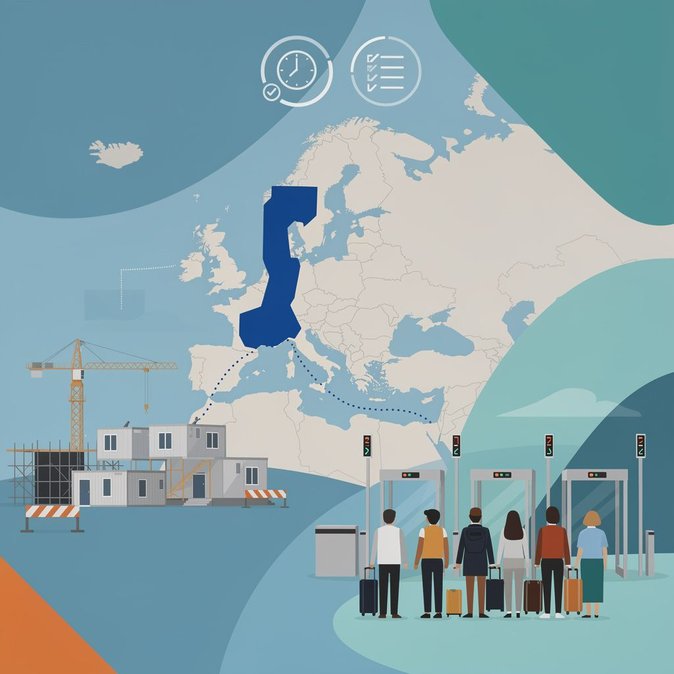
Finland woke up on Sunday to the first full business day under the European Union’s long-awaited Pact on Migration and Asylum, formally applied on 12 June but explained in Yle’s weekend broadcast on 14 June. The reform package, years in the making, bundles ten separate regulations that overhaul everything from screening at the external Schengen frontier to the allocation of asylum claims among Member States.
Whether you’re an employer arranging short-term postings or an individual planning summer travel, VisaHQ can simplify the paperwork. Their Finland portal (https://www.visahq.com/finland/) tracks the latest EU and national entry rules, offers step-by-step application assistance, and provides live support so applicants stay compliant as the new biometric screening and carrier-liability provisions roll out.
For Finland, whose land frontier with Russia became a flash-point for “instrumentalised migration” in late 2023, the most immediate change is a legal basis to react collectively when a neighbour pushes migrants toward the border. Helsinki can now request solidarity measures—from relocations to rapid-reaction EU border teams—within an agreed time-line, instead of negotiating ad hoc fixes. The pact also introduces mandatory pre-entry screening (including biometric capture) for all irregular arrivals, a fast-track asylum procedure capped at 12 weeks, and a new digital case-management platform shared across the bloc. The Finnish Immigration Service (Migri) has already begun training case officers on the system and says it will shorten initial processing by “at least 30 %.” Businesses that rely on cross-border project staff should, however, brace for a learning curve: carriers will be held liable for transporting passengers without appropriate documents once the Entry/Exit System (EES) interfaces with the asylum platform later this summer. Corporate mobility managers should also note the pact’s return-sponsorship mechanism. If Finland cannot remove a rejected applicant within eight months, another Member State that has volunteered return support must step in. The Interior Ministry believes this will free up detention space along the eastern frontier and reduce costs for local authorities. Finally, the legislation formalises the concept of “force-majeure relocation.” Should arrivals spike suddenly—as happened when Russia eased visa requirements for certain Asian and African nationals in 2023—Finland can trigger an automatic quota-sharing formula instead of sealing its border entirely. While politically sensitive, officials argue the clause offers a safety-valve that keeps essential freight and business travel lanes open. In practical terms, travellers will see little change at airports this week, but lorry drivers on the E18 toward Vaalimaa report more thorough document checks as Border Guard units test new handheld scanners. Migri advises companies moving talent this summer to budget extra time for border crossings and to ensure employees carry proof of accommodation and onward tickets, which officers are now entitled to request during screening.
Whether you’re an employer arranging short-term postings or an individual planning summer travel, VisaHQ can simplify the paperwork. Their Finland portal (https://www.visahq.com/finland/) tracks the latest EU and national entry rules, offers step-by-step application assistance, and provides live support so applicants stay compliant as the new biometric screening and carrier-liability provisions roll out.
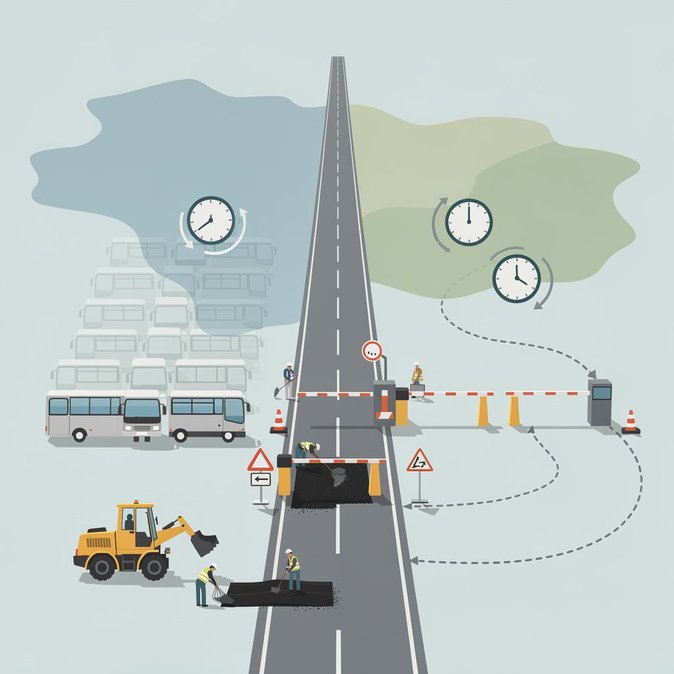
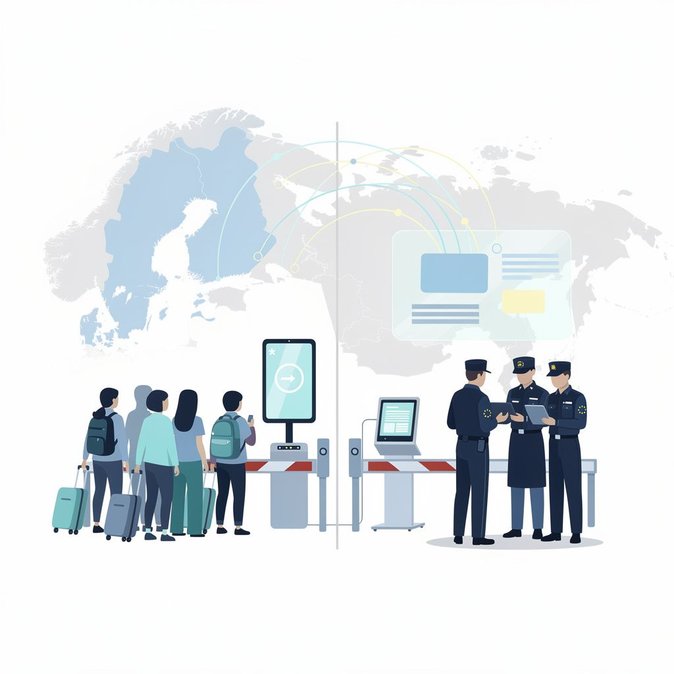
For Finland, whose land frontier with Russia became a flash-point for “instrumentalised migration” in late 2023, the most immediate change is a legal basis to react collectively when a neighbour pushes migrants toward the border. Helsinki can now request solidarity measures—from relocations to rapid-reaction EU border teams—within an agreed time-line, instead of negotiating ad hoc fixes. The pact also introduces mandatory pre-entry screening (including biometric capture) for all irregular arrivals, a fast-track asylum procedure capped at 12 weeks, and a new digital case-management platform shared across the bloc. The Finnish Immigration Service (Migri) has already begun training case officers on the system and says it will shorten initial processing by “at least 30 %.” Businesses that rely on cross-border project staff should, however, brace for a learning curve: carriers will be held liable for transporting passengers without appropriate documents once the Entry/Exit System (EES) interfaces with the asylum platform later this summer. Corporate mobility managers should also note the pact’s return-sponsorship mechanism. If Finland cannot remove a rejected applicant within eight months, another Member State that has volunteered return support must step in. The Interior Ministry believes this will free up detention space along the eastern frontier and reduce costs for local authorities. Finally, the legislation formalises the concept of “force-majeure relocation.” Should arrivals spike suddenly—as happened when Russia eased visa requirements for certain Asian and African nationals in 2023—Finland can trigger an automatic quota-sharing formula instead of sealing its border entirely. While politically sensitive, officials argue the clause offers a safety-valve that keeps essential freight and business travel lanes open. In practical terms, travellers will see little change at airports this week, but lorry drivers on the E18 toward Vaalimaa report more thorough document checks as Border Guard units test new handheld scanners. Migri advises companies moving talent this summer to budget extra time for border crossings and to ensure employees carry proof of accommodation and onward tickets, which officers are now entitled to request during screening.