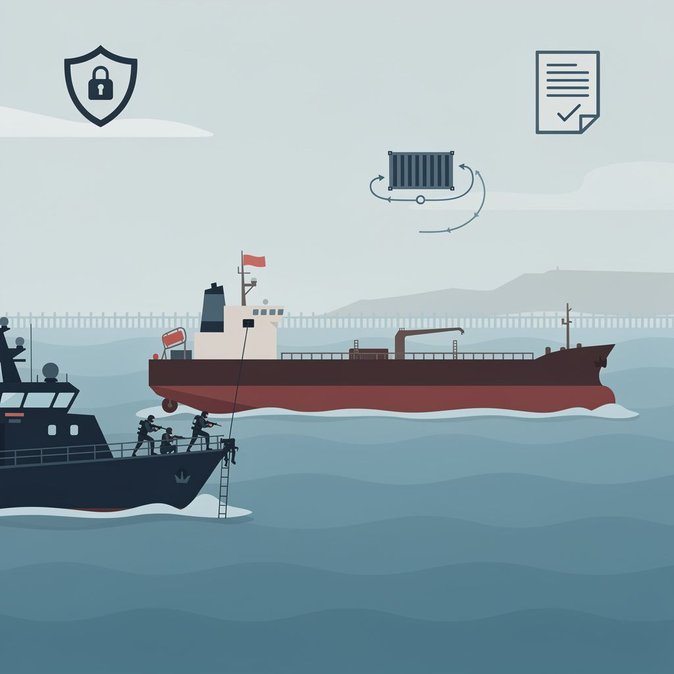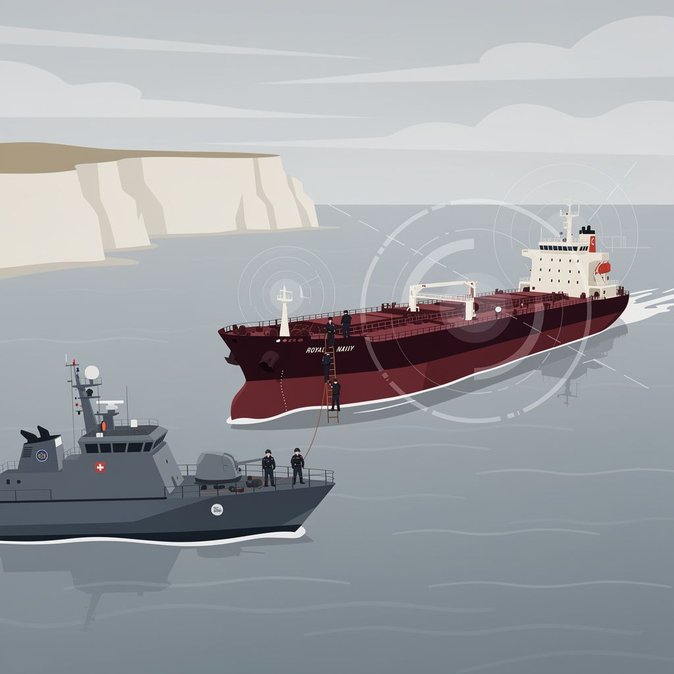
In the early hours of Sunday 14 June, Royal Marine Commandos fast-roped from Chinook helicopters onto the Cameroonian-flagged oil tanker Smyrtos, carrying out the UK’s first full seizure of a so-called Russian ‘shadow fleet’ vessel inside British waters. Backed by HMS Sutherland, HMS Ledbury, Maritime Patrol Aircraft and National Crime Agency officers, the six-hour operation ended with the sanctioned ship under guard off the Dorset coast. Prime Minister Keir Starmer hailed the intervention as “another blow to Putin’s illegal war machine”, stressing that Russia relies on a web of decoy tankers to move crude in breach of the G7 price cap. Defence Secretary Dan Jarvis said the boarding showcased new rules of engagement agreed with France and other North Sea states in March, allowing joint interdictions when suspected sanction-busters enter the Channel Traffic Separation Scheme. For global mobility and trade-compliance teams, the episode is more than naval theatre. The UK is signalling a willingness to detain vessels, crews and cargoes linked – even indirectly – to sanctioned entities. Charterers, insurers and logistics providers must expect more intensive due-diligence requests and potential schedule disruption if a ship is diverted for inspection. The operation also sets a precedent for future interceptions of aircraft or land freight suspected of sanctions evasion. Maritime lawyers note that crew members could face entry bans or visa refusals if Border Force judges them complicit. Employers with Russian or dual-use supply chains should refresh their screening tools and brief travelling staff on the heightened enforcement climate. With European allies preparing mirror operations, the Channel may soon become a chokepoint for sanctions policing – and a hotspot of mobility risk that multinationals cannot ignore.
Source: ITV News