G7 Summit in Évian Triggers Temporary Swiss Border Controls and Travel Disruptions Around Geneva
Swiss Voters Reject Population Cap, Safeguarding Free Movement and Business Immigration
Swiss Voters Reject Population-Cap Referendum That Threatened Free Movement
Latest News

Swiss Voters Reject Population-Cap Initiative, Preserving Open Immigration Framework
Swiss voters rejected a proposal to constitutionally cap the population at 10 million, safeguarding Switzerland’s open immigration system and its free-movement pact with the EU. The outcome averts potential work-permit quotas that would have constrained multinationals’ hiring and relocation plans, while leaving current visa and residence-permit processes unchanged. Companies should nonetheless watch for incremental policy tweaks as migration remains politically sensitive.

G7 Security Measures Close 80 % of Border Crossings, Upending Cross-Border Commutes
In the run-up to the Évian G7, Switzerland and France have shuttered 28 of 35 border crossings and re-introduced Schengen checks, disrupting 200 000 daily commuters and delaying cross-border freight. Companies are activating tele-work and contingency delivery routes, while employees are advised to carry passports and expect long queues. The episode highlights how mega-events can override Schengen free movement, a critical consideration for mobility and supply-chain planners.

G7 Summit Triggers Temporary Border Controls and Transit Disruptions Around Geneva
Ahead of the 15-17 June G7 summit in Évian, Swiss and French authorities have reinstated Schengen border controls, closed 28 secondary crossings and curtailed public transport in Geneva. The security bubble is causing longer airport transfer times and forcing firms to move cross-border staff to remote work. While controls end on 19 June, the episode highlights how major events can instantly affect travel, visas and commuter flows in the trans-Alpine business corridor.
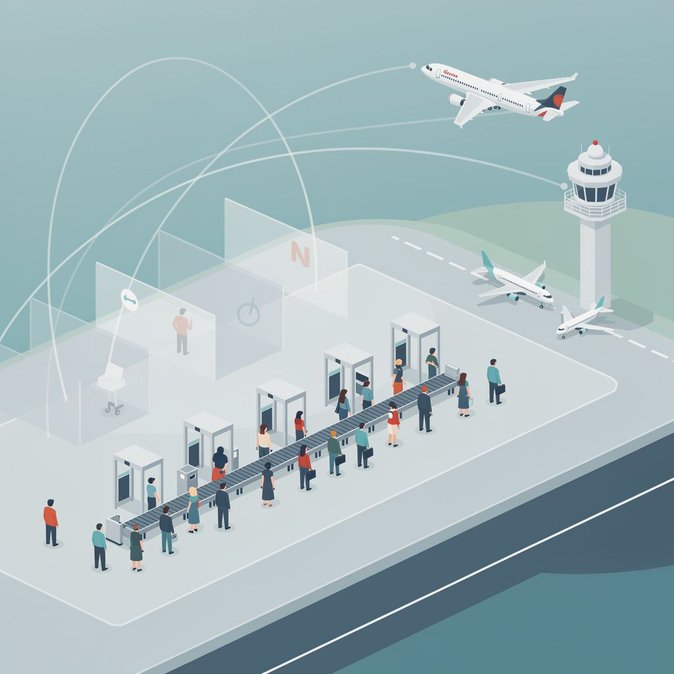
Geneva Airport Activates G7 Operating Plan, Advises Early Arrivals and Permit Checks
Genève Aéroport has rolled out a week-long operations plan for the Évian G7, closing certain access zones, lengthening security queues and tightening cargo rules. Passengers are advised to arrive three hours early, while airlines must file amended flight-plans. Despite the measures, the airport expects limited schedule impact and even announced new China frequencies, underscoring its strategic importance.
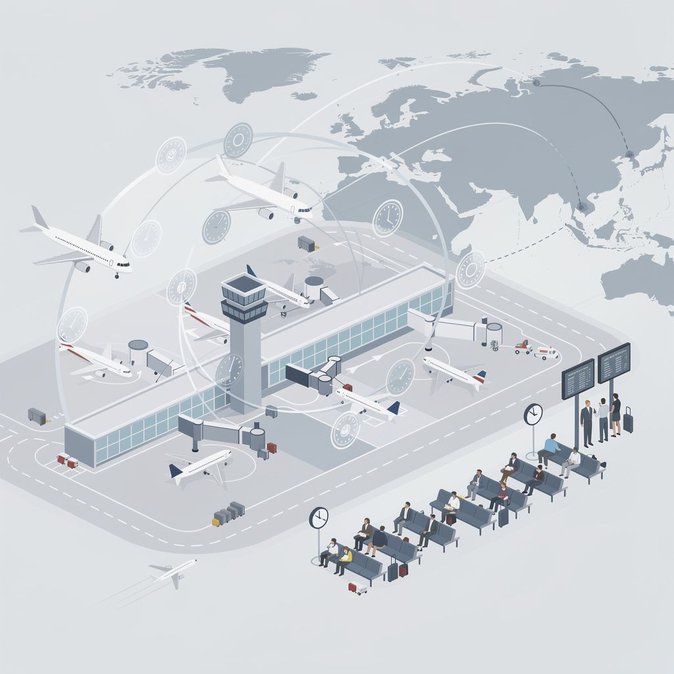
Operational Meltdown at Zurich Airport Spurs Europe-Wide Flight Delays
A chain reaction of slot delays crippled Zurich Airport on 14 June, forcing Swiss, Helvetic and KLM to cancel three flights and delay dozens more. The disruption spilled into trans-Atlantic and intra-European networks, stranding business travellers and jeopardising tight connection windows. Although recovery measures are under way, the episode underscores how little margin for error remains in Europe’s summer schedules and why corporates should add buffer time and monitor EU 261 rights.
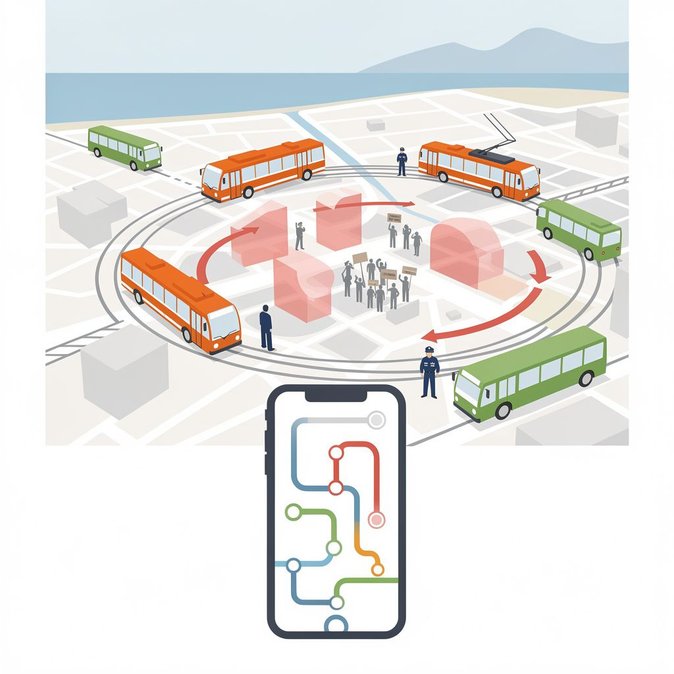
Geneva Public Transport Reroutes Services During 14 June No-G7 Demonstration
TPG will reroute multiple tram and bus lines on 14 June to accommodate an authorised anti-G7 march through central Geneva. Travellers should expect significant diversions, extra police checks and possible rolling closures if the protest grows. Companies are urged to advise staff of alternate routes and monitor tpgPulse for live updates.