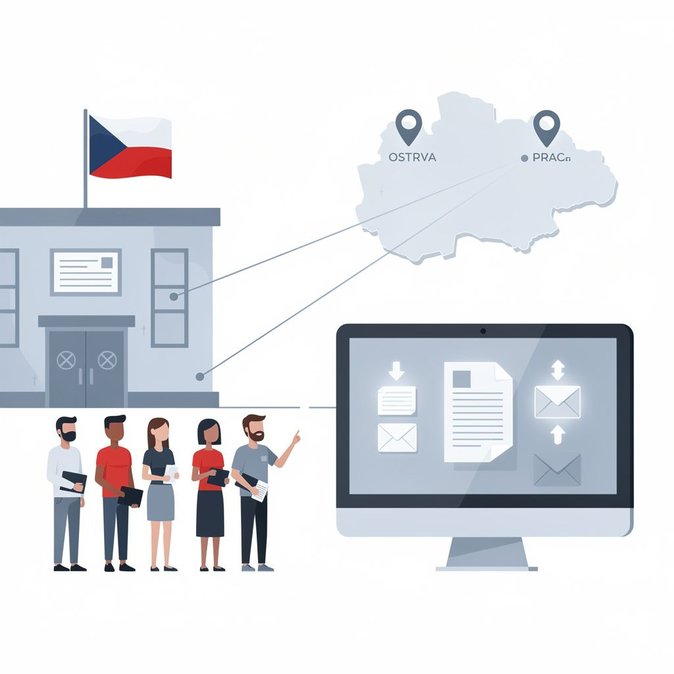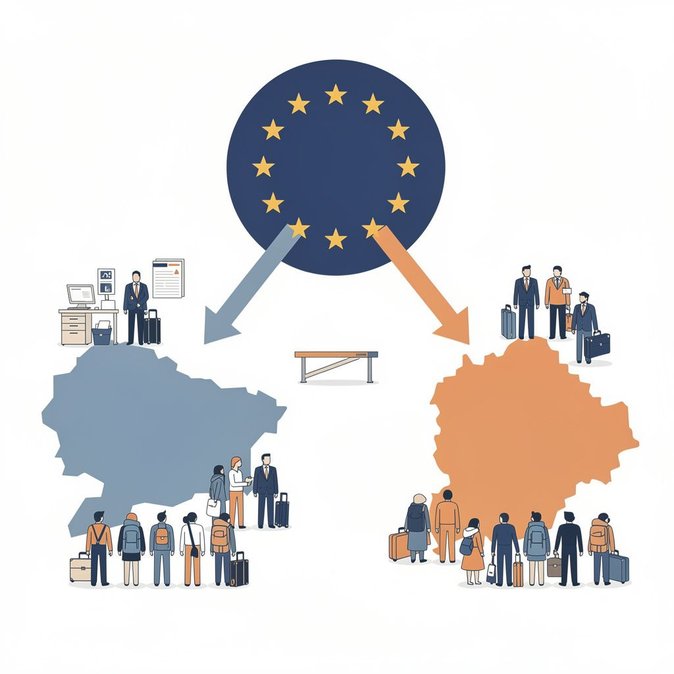
During an official visit to Prague on 16 June, Slovak National Council speaker Richard Raši and Czech Chamber of Deputies chairman Tomio Okamura held a frank exchange on the EU Asylum and Migration Pact – and, in particular, on Czechia’s decision not to apply the so-called solidarity mechanism that redistributes asylum seekers or triggers a €20 000 penalty per refused applicant. While both leaders stressed the importance of orderly migration, their press conference exposed markedly different political priorities on either side of the Morava River. Okamura, whose Freedom and Direct Democracy (SPD) party is hawkish on immigration, reiterated that “relocation quotas or financial penalties for refusing migrants are unacceptable for the Czech Republic.” He argued that Prague’s existing humanitarian burden – almost 400 000 Ukrainians under temporary protection – justifies the exemption secured in April negotiations with Brussels. Raši, representing Slovakia’s governing SMER-SD, warned that simply opting out could undermine regional solidarity and leave frontline states without support. Behind the public rhetoric lies a web of practical consequences for cross-border employers. Czech companies depend heavily on commuting Slovak nationals and increasingly on workers recruited through EU talent partnerships. If Bratislava embraces the pact’s flexible contributions (money, staff, or relocation slots) while Prague refuses, labour-mobility incentives could diverge and complicate HR planning for firms that operate on both sides of the border. The meeting also touched on joint student-exchange schemes and energy policy, but migration dominated media coverage because the pact formally entered into force last Friday. Observers note that Czechia will still have to upgrade its asylum reception capacity and data-sharing systems, even if it avoids mandatory relocations. The Interior Ministry is expected to unveil an implementation roadmap before parliament’s summer recess. For global-mobility professionals, the key takeaway is that Czech political resistance to burden-sharing does not relieve businesses of due-diligence duties. Employers should continue monitoring employees’ protection status, especially Ukrainians transitioning from temporary protection to special long-term residence, and should expect stricter verification when moving staff between Czech and Slovak sites.
Source: ČTK / České Noviny
How VisaHQ can help
VisaHQ simplifies the visa application process for individuals and businesses. Check current travel requirements, prepare the required documents and manage your application online through the VisaHQ Czech Republic portal.More From Czech Republic
View all
European Parliament passes tough new EU Return Directive, Czech Republic prepares for implementation

EU Parliament Approves Tougher Return-Hub Migration Reform – Czechia Faces New Compliance Duties