Switzerland Keeps Temporary Border Controls With France in Place as G7 Security Window Nears End
Bern schedules 25 June release of flagship Free-Movement Observatory report
Bern and Rome to revisit ‘frontaliers’ tax deal amid calls for smoother commuter flows
Latest News

Bern and Rome Re-open Talks on Frontier-Worker Tax Rules
Switzerland and Italy will hold a minister-level meeting in late June to iron out problems in the 2020 frontier-worker tax accord. Resolving withholding and reimbursement glitches is critical for the 70,000 daily commuters who power key Swiss industries and for employers concerned about talent retention and payroll compliance.

Canton Vaud foreign-nationals counters to close early on 18 June – plan ahead for visa filings
Vaud’s immigration office announced that its foreigners’ counters would close 30 minutes earlier at 17:00 on 18 and 25 June for staff training. Employers and travellers relying on walk-in services for visa extensions or permit formalities should adjust schedules or use postal submissions to avoid disruption.
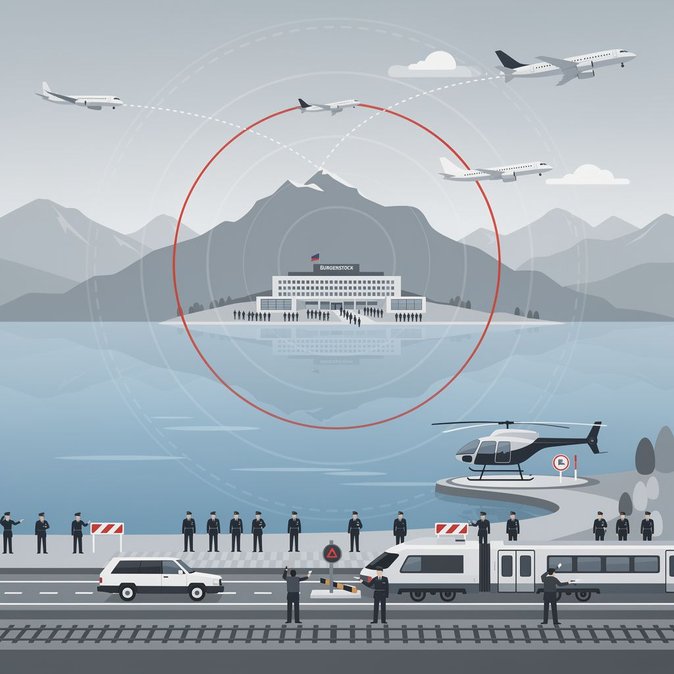
Switzerland Closes Airspace and Deploys 2,000 Troops for 19 June U.S.–Iran Summit at Bürgenstock
On 17 June the Federal Council authorised a 46-km no-fly zone and up to 2,000 troops to secure the 19 June U.S.–Iran summit at Bürgenstock. The measures will reroute commercial flights, halt sightseeing helicopters and tighten road and rail access around Lake Lucerne, posing short-term challenges for business travellers, expatriates and supply-chain planners.

Security lockdown on Switzerland’s Bürgenstock triggers road, public-transport and air-space restrictions ahead of historic US-Iran signing
Canton Nidwalden is imposing a multilayer security cordon around the Bürgenstock resort from 17–20 June as Switzerland hosts the signing of a US-Iran cease-fire agreement. The plan suspends all public transport to the site, closes hiking trails, introduces rolling roadblocks and establishes a 46-km no-fly zone, creating significant disruption for business travellers in central Switzerland.
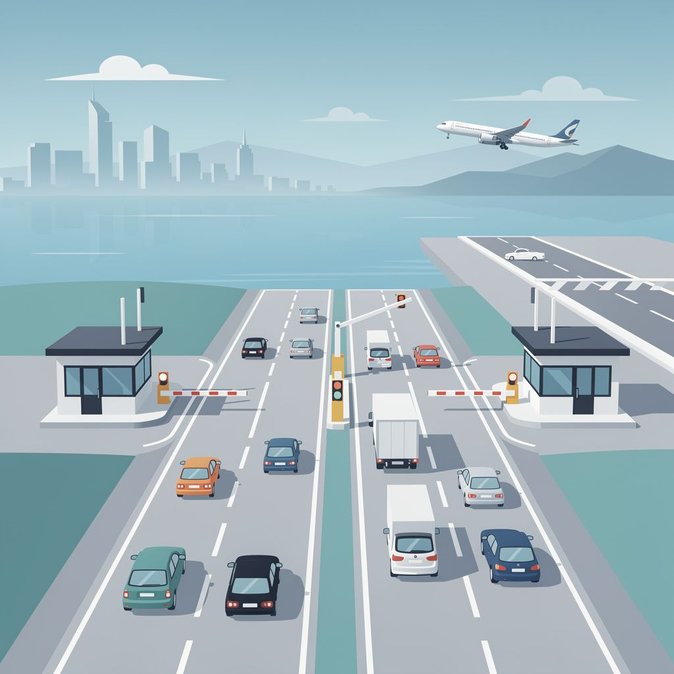
Geneva to Lift G7 Border Controls on 18 June After Phased Relaxation Starts Today
Geneva will begin lifting the extraordinary border checks imposed for the Évian G7 summit today, 17 June, with full reopening scheduled for 06:00 on 18 June. The move ends ten days of traffic bottlenecks that have affected tens of thousands of cross-border commuters, freight operators and airline passengers using Geneva Airport. Firms can resume normal routing of staff and goods from Thursday morning.
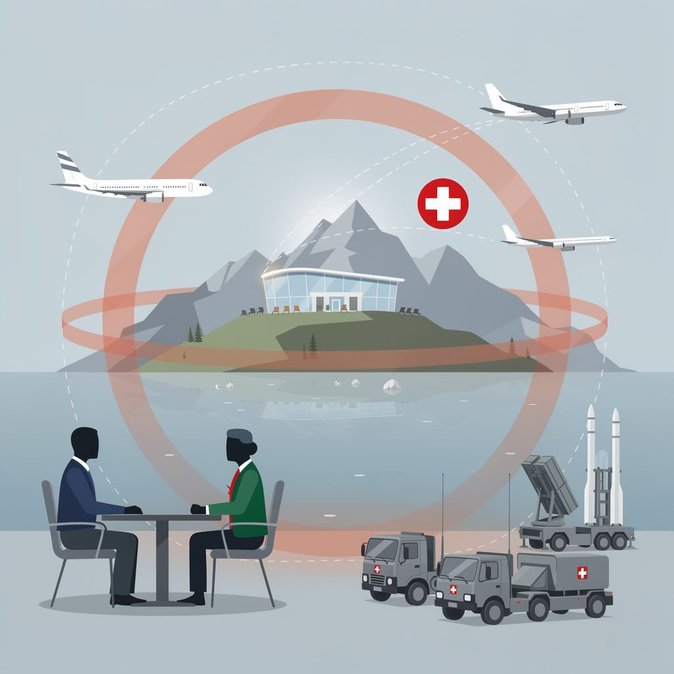
Federal Council authorises deployment of up to 2 000 troops and a temporary no-fly zone for Bürgenstock summit
Bern has green-lit a ‘subsidiary assistance’ mission that mobilises up to 2 000 soldiers, logistical units and air-defence assets to shield the 19 June US-Iran meeting at Bürgenstock. The mandate also creates a 46-km exclusion zone in Swiss airspace from 18–20 June, adding compliance duties and itinerary disruption for corporate travellers and aviation operators.
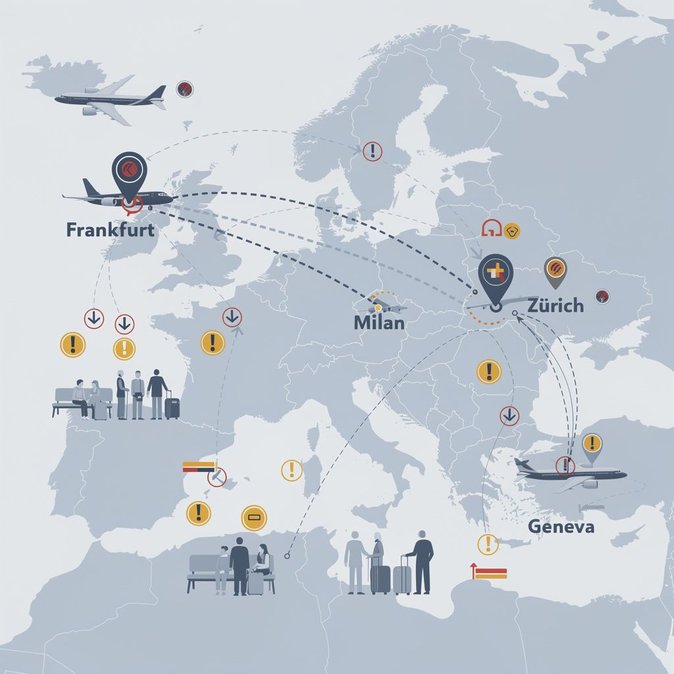
295-Flight Meltdown at Frankfurt & Milan Ripples into Swiss Itineraries
Massive operational failures at Frankfurt and Milan on 17 June delayed or cancelled nearly 300 flights, stranding passengers across Europe and spilling into Swiss schedules. Zürich and Geneva flights faced knock-on slot restrictions, forcing corporates to reroute staff and reminding mobility teams to build resilience into summer travel plans.