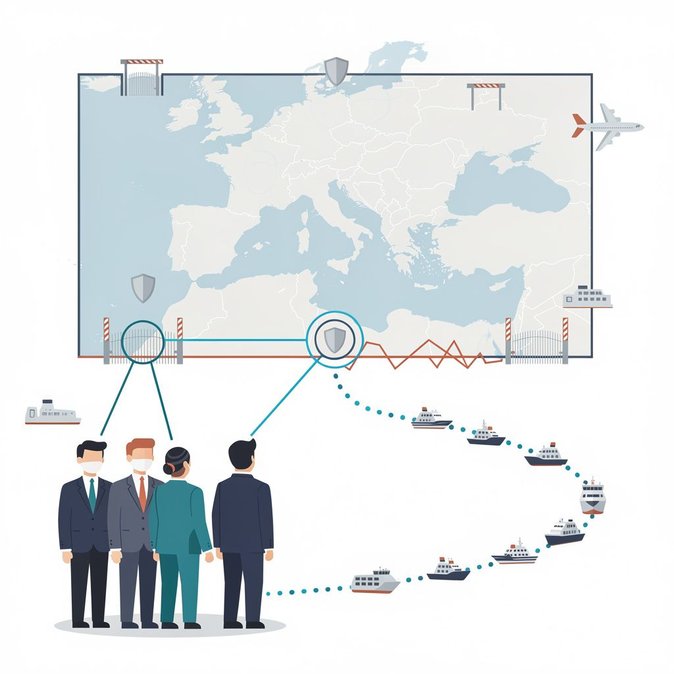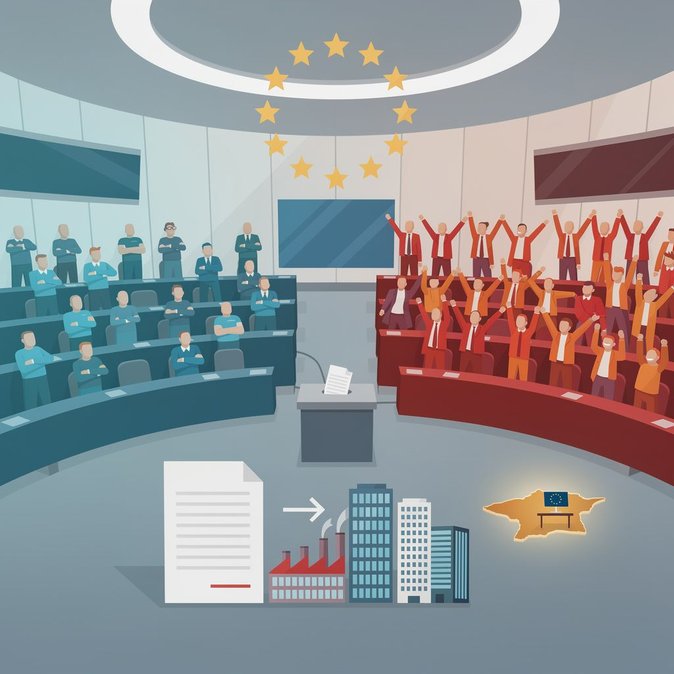
The European Parliament’s 18 June plenary, chaired under Cyprus’s rotating EU Council presidency, descended into acrimony when far-right MEPs celebrated a hard-line deportation bill with chants of “Send them back.” Centre-left lawmakers responded with shouts of “Shame on you,” highlighting deep ideological rifts on migration. The approved package allows offshore detention centres and up to two-year confinement for rejected applicants—measures that rights groups say breach international norms. Formal council endorsement, scheduled before the Cypriot presidency ends in July, would make the rules binding by 2027. Cyprus now finds itself mediating between security-focused capitals and states demanding stronger safeguards.
At a practical level, individuals and companies anxious about how evolving EU mobility rules might affect their travel or staffing plans can turn to VisaHQ’s Cyprus portal (https://www.visahq.com/cyprus/) for timely guidance. The service tracks shifting visa requirements, manages application logistics, and flags upcoming regulatory changes—support that can prove invaluable while the Council negotiations continue to shape the final framework.
Failure to broker a compromise could delay associated IT-system upgrades (Eurodac 2.0) that underpin new asylum-screening timelines—changes HR teams are watching because they dictate work-permit turnarounds and family-reunification rights. Observers note that the parliamentary theatrics risk overshadowing Nicosia’s otherwise pragmatic stewardship of migration files. Nonetheless, the incident underscores how politically charged mobility policy has become—and why companies should track the Council deliberations that follow.
At a practical level, individuals and companies anxious about how evolving EU mobility rules might affect their travel or staffing plans can turn to VisaHQ’s Cyprus portal (https://www.visahq.com/cyprus/) for timely guidance. The service tracks shifting visa requirements, manages application logistics, and flags upcoming regulatory changes—support that can prove invaluable while the Council negotiations continue to shape the final framework.
Failure to broker a compromise could delay associated IT-system upgrades (Eurodac 2.0) that underpin new asylum-screening timelines—changes HR teams are watching because they dictate work-permit turnarounds and family-reunification rights. Observers note that the parliamentary theatrics risk overshadowing Nicosia’s otherwise pragmatic stewardship of migration files. Nonetheless, the incident underscores how politically charged mobility policy has become—and why companies should track the Council deliberations that follow.