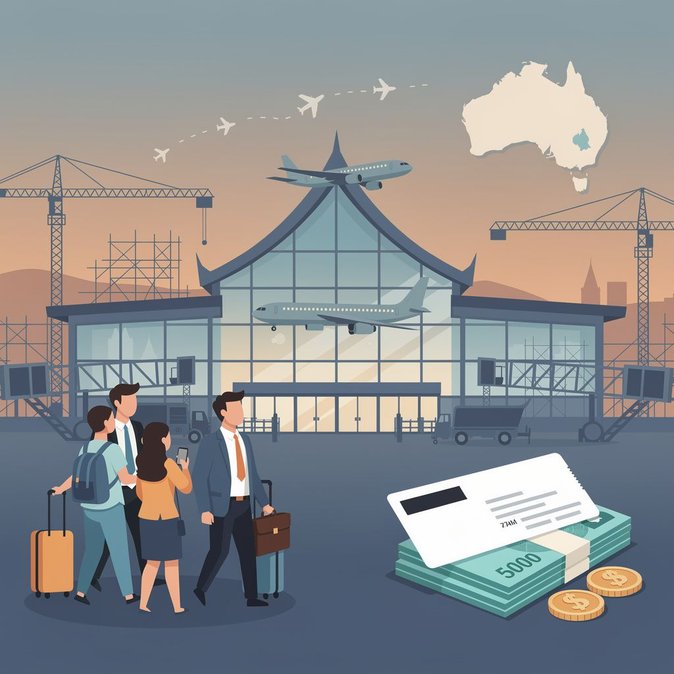
Travellers leaving Thailand faced higher ticket prices from 20 June 2026 as a new 1,120-baht (A$46) passenger service charge for all international departures came into force at six major airports, including Bangkok Suvarnabhumi, Don Mueang and Phuket. The Fee Modernisation Ordinance, approved last year, replaces the previous 730-baht rate and channels revenue into a multi-billion-dollar expansion of terminals, biometric gates and baggage systems. For Australians—who make up Thailand’s fifth-largest source market—the hike represents an immediate 53 percent increase in embedded airport fees. A family of four holidaying in Phuket will now pay roughly A$184 more in aggregate airfare taxes. Corporate travel managers with regional offices in Bangkok told SBS Radio they expect annual budgets to rise 2-3 percent; some firms are shifting short-haul meetings to Kuala Lumpur or Singapore to offset costs. Thai officials argue that improved infrastructure will reduce chronic immigration bottlenecks that have plagued peak-season departures, citing projected savings of 20 minutes per passenger once e-Gates are fully deployed in 2028. Airlines report minimal booking disruption so far because the levy is automatically included in tickets, avoiding on-airport payments that used to catch travellers by surprise. Frequent-flyer programmes have responded with promotions: Qantas extended double-status-credit offers on Sydney–Bangkok flights booked before 30 June, while Jetstar is absorbing part of the surcharge on selected Gold Coast charters until August. Travel insurers advise reviewing policy limits, as higher surcharges push some round-trip fares above premium-capping thresholds. Austrade’s Bangkok office recommends Australian exporters factor the new fee into travel expense forecasts and monitor forthcoming AOT (Airports of Thailand) consultations on possible seasonal differentials. The Business Council of Australia’s South-East Asia Taskforce noted that despite the levy, Thailand’s total charges remain below Changi’s S$62 equivalents, preserving competitiveness for MICE events.
Source: The Straits Times
How VisaHQ can help
VisaHQ simplifies the visa application process for individuals and businesses. Check current travel requirements, prepare the required documents and manage your application online through the VisaHQ Australia portal.More From Australia
View all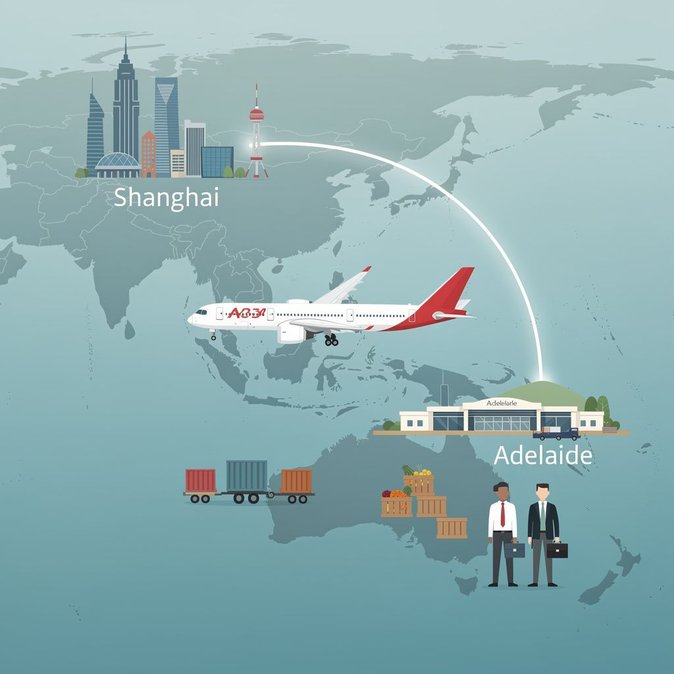
China Eastern inaugurates direct Shanghai–Adelaide service, linking South Australia to mainland China

World Refugee Day 2026: Australia marks milestone of one million refugees resettled