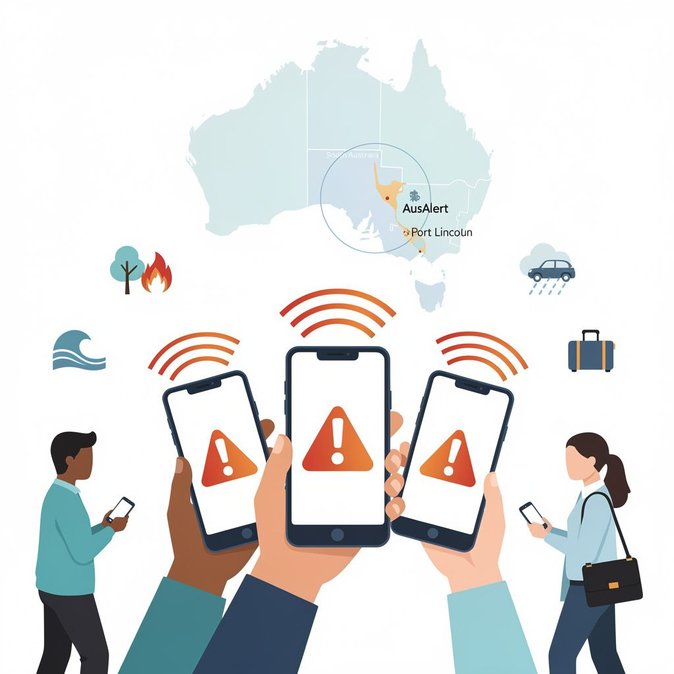
The National Emergency Management Agency (NEMA) will conduct a live AusAlert cell-broadcast test in Port Lincoln, South Australia, at 11:00 am on Saturday, 20 June 2026. AusAlert is Australia’s new nationwide public-warning system designed to push location-based safety messages—ranging from bushfire evacuations to biosecurity incidents—to compatible mobile devices without the need for app downloads. Although primarily a disaster-management tool, AusAlert has significant implications for domestic and international mobility. During the 2025 bushfire season, airport closures in regional Victoria stranded more than 4,000 passengers and caused multimillion-dollar supply-chain delays. By delivering airport-specific “shelter-in-place” or “road-closed” advisories in real time, the system is expected to cut average evacuation-decision times by 30 percent, according to CSIRO modelling. The 20 June drill is part of phased community testing ahead of a national rollout before the 2026-27 summer. Travellers in the Port Lincoln test zone will hear a loud alert tone and see a text beginning "TEST Emergency message"; no action is required. Airlines have issued NOTAMs advising pilots that the alert will have no impact on navigation aids, but rental-car companies are notifying customers to avoid distraction while driving. Global-mobility managers should brief employees visiting regional Australia that handsets must have updated operating systems and enabled 4G/5G voice/SMS services to receive alerts. International SIM cards will also receive messages if roaming on Australian networks, enhancing safety for visiting executives and assignees. Privacy advocates note that cell broadcast does not collect recipient data, aligning with EU GDPR standards and easing compliance concerns for multinationals. NEMA will publish a post-test report in July; stakeholders can submit feedback on language accessibility and message length—critical for reaching non-English-speaking temporary migrants who may be unfamiliar with Australian emergency protocols.
How VisaHQ can help
VisaHQ simplifies the visa application process for individuals and businesses. Check current travel requirements, prepare the required documents and manage your application online through the VisaHQ Australia portal.More From Australia
View all
Thailand’s 1,120-baht airport levy takes effect, raising costs for Australians departing Bangkok, Phuket and Don Mueang
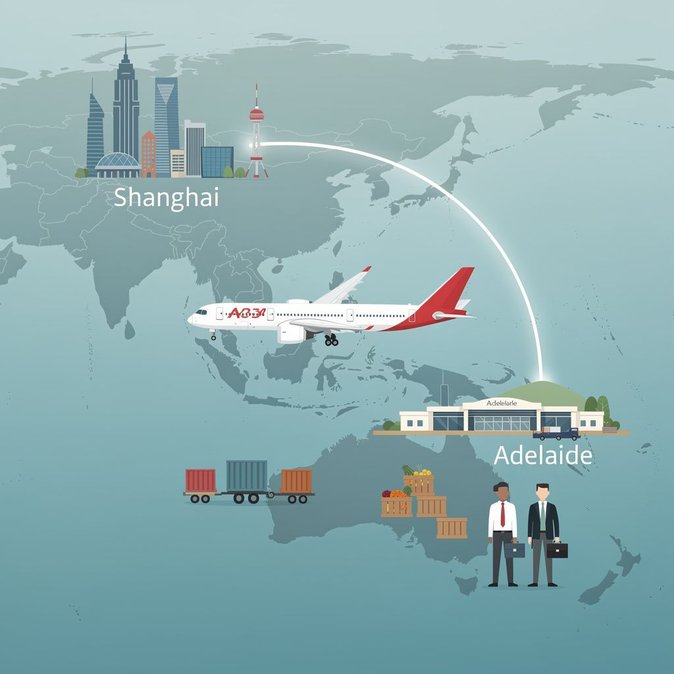
China Eastern inaugurates direct Shanghai–Adelaide service, linking South Australia to mainland China