
Australia joined global commemorations of World Refugee Day on 20 June 2026 with events in Canberra, Sydney and Melbourne highlighting the nation’s resettlement of its one-millionth refugee since World War II. In a joint statement, Home Affairs Minister Clare O’Neil and UNHCR Regional Representative Adrian Edwards praised community sponsorship programmes and the expansion of the Community Refugee Integration and Settlement Pilot (CRISP) that now covers all states and territories. The anniversary coincides with the 75th year of the 1951 Refugee Convention. UNHCR data show that Australia accepted 21,500 humanitarian entrants in fiscal 2024-25, and the government’s forward plan maintains a ceiling of 27,000 places by 2028. Corporations are increasingly involved: Telstra and Wesfarmers announced new internship pathways for skilled refugees, while Deloitte launched a “refugee talent pool” platform to fast-track professional accreditation. Employer interest is driven partly by acute skills shortages; the Department of Employment projects a shortfall of 105,000 technicians and trade workers by 2027. HR directors attending Refugee Week seminars said refugee hiring pipelines complement skilled-migration reforms that prioritise onshore candidates. Best-practice guides released on 20 June advise companies on recognising overseas qualifications, navigating work rights on Refugee 785 and Safe Haven Enterprise visas, and providing trauma-informed onboarding. Meanwhile, the Australian Taxation Office confirmed that new concessional FBT rules for employers who sponsor English-language training for refugees will commence on 1 July. Migration agents note that the humanitarian intake is untouched by caps on temporary entrants, offering a stable pathway for family reunion. Community groups, however, renewed calls to expand family-visa quotas, citing 45,000 pending split-family applications. For global-mobility teams, the message is clear: refugee talent is an emerging pool for hard-to-fill regional roles, and corporate sponsorship can accelerate integration while fulfilling ESG commitments.
Source: UNHCR Australia press release
How VisaHQ can help
VisaHQ simplifies the visa application process for individuals and businesses. Check current travel requirements, prepare the required documents and manage your application online through the VisaHQ Australia portal.More From Australia
View all
Thailand’s 1,120-baht airport levy takes effect, raising costs for Australians departing Bangkok, Phuket and Don Mueang
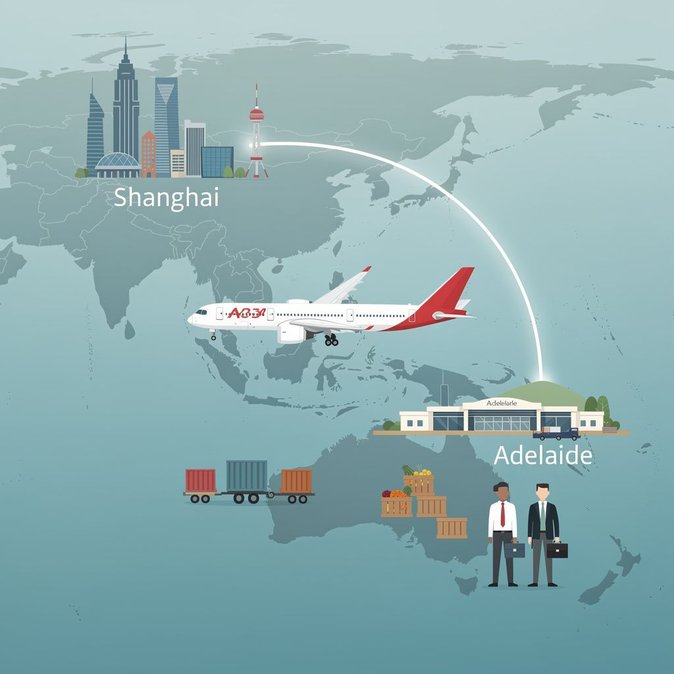
China Eastern inaugurates direct Shanghai–Adelaide service, linking South Australia to mainland China