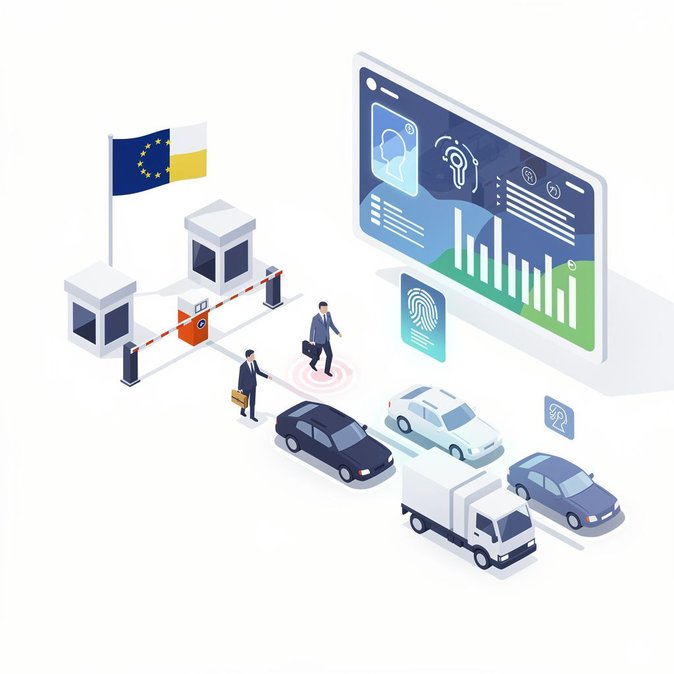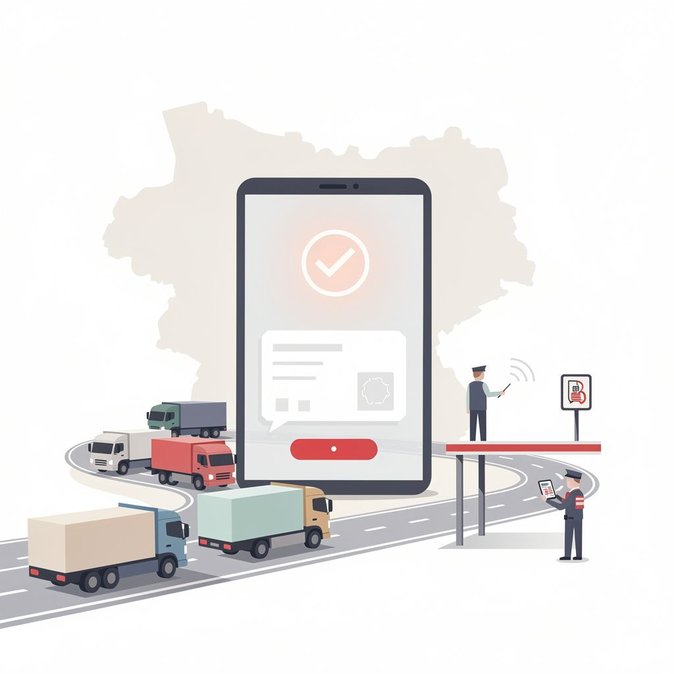
Road-freight companies moving goods in and out of Poland will soon apply for, store and present their multilateral ECMT permits entirely online. The daily Rzeczpospolita reports that the Ministry of Infrastructure completed end-to-end tests of the e-permit module on 20 June, paving the way for a full rollout on 1 January 2027. Under the new system, hauliers will upload vehicle registration data, emission class certificates and driver attestations to a secure portal, which then generates a QR code readable by Polish and foreign roadside inspectors.
For operators who need extra support navigating the new requirements, VisaHQ can streamline the paperwork. Through its Poland dedicated portal (https://www.visahq.com/poland/), the company already assists thousands of drivers and logistics managers with visas, work permits and compliance documentation and is preparing tools to integrate ECMT e-permits, offering real-time tracking and expert review to minimize errors.
The upgrade is designed to dovetail with the EU’s Smart Tachograph 2 and the EES border database, allowing automatic cross-checks of cabotage limits and driver rest times. Industry associations hope digitalisation will cut application lead-times from the current 14 days to as little as 48 hours and reduce the risk of fines triggered by paperwork errors at borders with Germany, Lithuania and the Czech Republic. However, small carriers warn that the change may shift administrative burden onto operators who lack dedicated compliance staff. The ministry acknowledges the concern and has pledged a six-month "soft-launch" period during which both paper and electronic permits will be accepted. Training webinars and a 24/7 helpline will start in September. For shippers—including automotive and FMCG multinationals—faster permit issuance could improve just-in-time delivery chains, but they will need to update subcontractor-onboarding checklists to verify that drivers carry digital permits on mobile devices or printouts with legible QR codes.
For operators who need extra support navigating the new requirements, VisaHQ can streamline the paperwork. Through its Poland dedicated portal (https://www.visahq.com/poland/), the company already assists thousands of drivers and logistics managers with visas, work permits and compliance documentation and is preparing tools to integrate ECMT e-permits, offering real-time tracking and expert review to minimize errors.
The upgrade is designed to dovetail with the EU’s Smart Tachograph 2 and the EES border database, allowing automatic cross-checks of cabotage limits and driver rest times. Industry associations hope digitalisation will cut application lead-times from the current 14 days to as little as 48 hours and reduce the risk of fines triggered by paperwork errors at borders with Germany, Lithuania and the Czech Republic. However, small carriers warn that the change may shift administrative burden onto operators who lack dedicated compliance staff. The ministry acknowledges the concern and has pledged a six-month "soft-launch" period during which both paper and electronic permits will be accepted. Training webinars and a 24/7 helpline will start in September. For shippers—including automotive and FMCG multinationals—faster permit issuance could improve just-in-time delivery chains, but they will need to update subcontractor-onboarding checklists to verify that drivers carry digital permits on mobile devices or printouts with legible QR codes.